
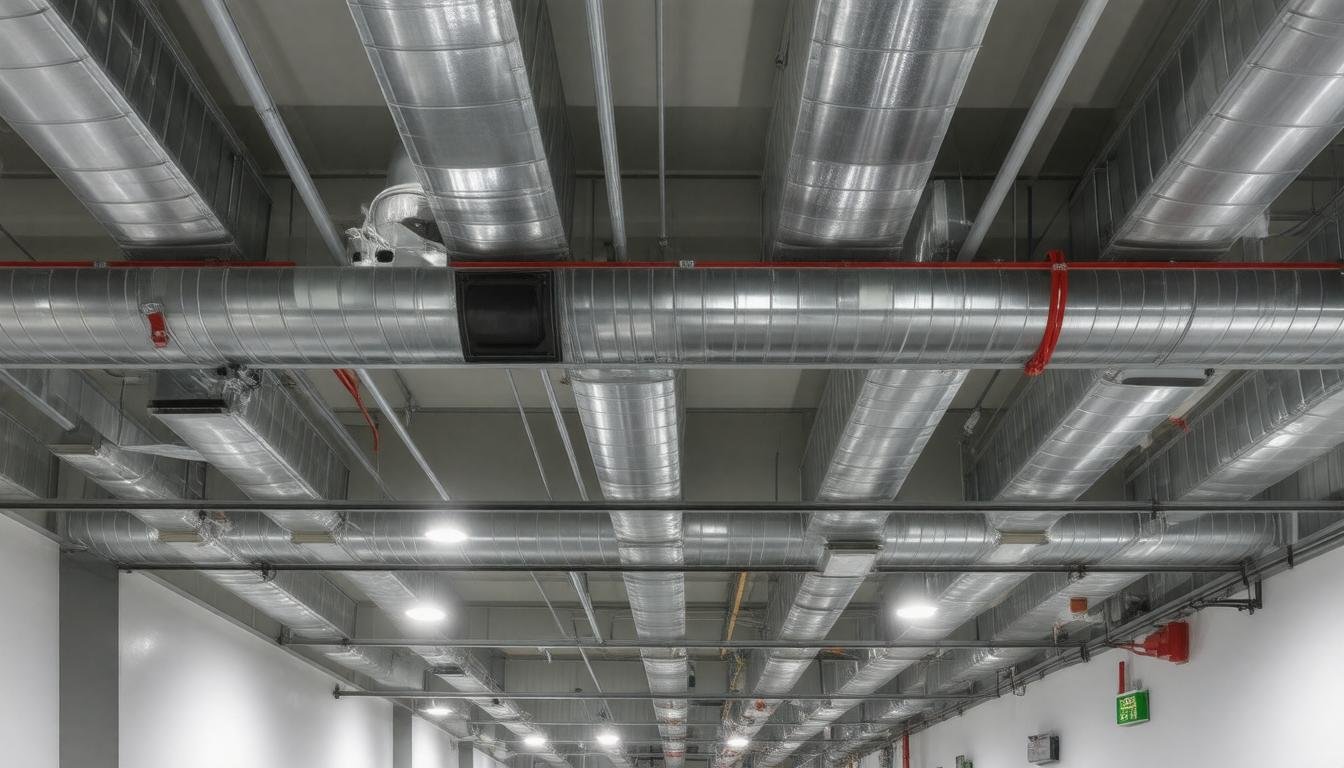
Smoke Ventilation System Design Guide: Best Practices for Building Code Compliance
Smoke ventilation systems might not be the first thing you think about when walking into a building, but they play

If you’ve ever wondered how buildings keep smoke from filling up escape routes during a fire, the secret often lies in Automatic Opening Vents (AOVs). These clever devices open automatically to release smoke, making it safer for both occupants and other people to get out quickly. Installing an AOV isn’t just about putting a vent in place—it requires careful planning, precise work, and understanding smoke control systems and fire safety rules to make sure everything works perfectly when it matters most. In this guide, we’ll walk you through the full installation process step by step, sharing expert tips so you can be confident your smoke ventilation system is set up right. An essential part of the configuration involves understanding the number and type of AOVs needed based on the building’s layout.
Installing an Automatic Opening Vent (AOV) requires precise adherence to manufacturer specifications and building regulations to ensure optimal smoke extraction during a fire. The process involves positioning the AOV in required roof or façade locations, securely fixing it with appropriate supports, connecting the vent to the dedicated control panel for automatic activation upon smoke detection, and integrating it within the building’s overall fire ventilation system in compliance with standards such as EN12101 and BS7346-8. For best results and regulatory compliance, professional installation by certified fire safety experts is strongly recommended.
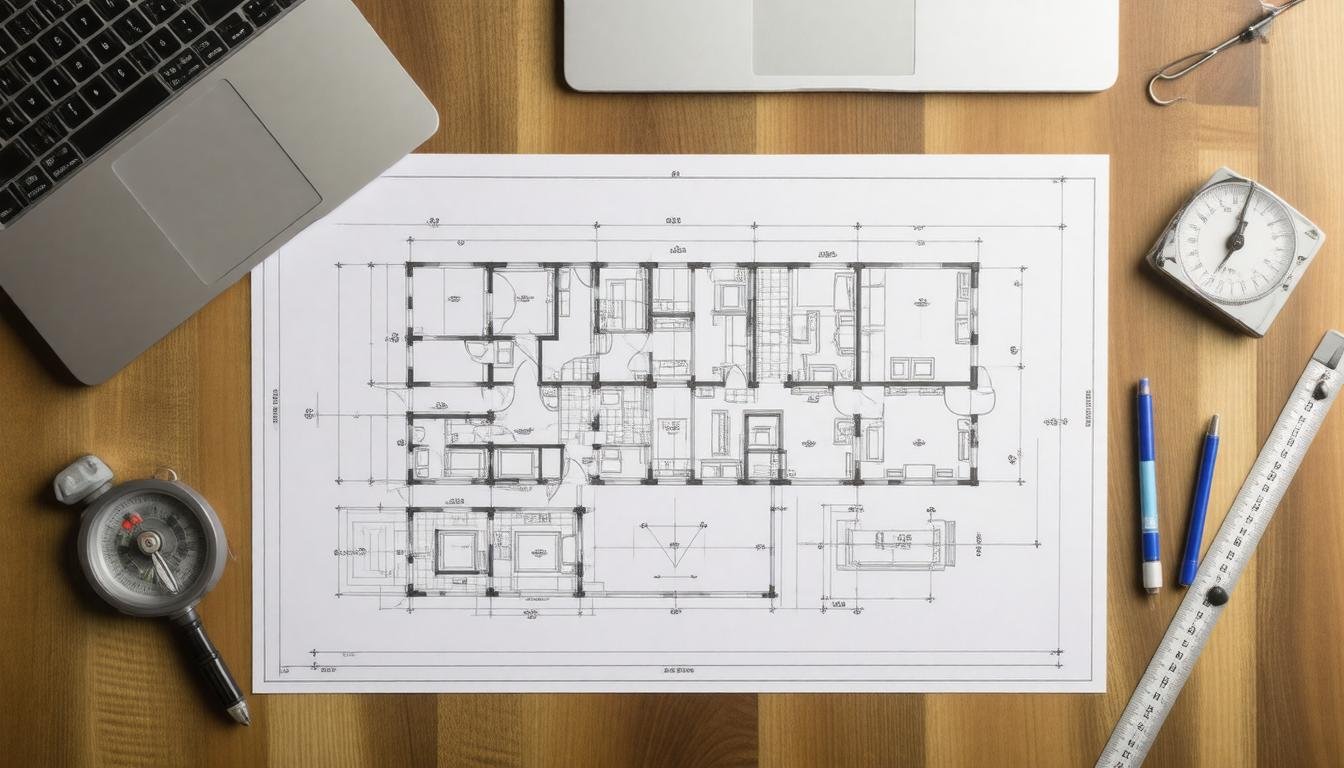
The first critical action after completing your detailed planning and design is to ensure your site is properly prepared. This means verifying that all electrical wiring routes, structural supports, and ventilation openings align exactly with your installation blueprint. At Mercor Fire Protection UK Ltd, we always emphasize double-checking measurements before beginning physical installation—a simple mistake early on can lead to costly delays or safety issues later.
Next comes the careful mounting of the AOV unit itself. A typical Mercor mcr PROLIGHT E 100/150, for instance, requires precise positioning to operate optimally during emergencies. Make sure the opening vent is attached securely to roof or wall openings using appropriate brackets and fixings designed to handle fire-rated temperatures and weather exposure. Proper sealing around these fittings helps maintain the integrity of your building’s envelope while allowing smoke to escape efficiently through the smoke shaft.
Once the physical fitting is secured, attention must turn to connecting the control system which automates vent activation. Configuring the smoke control systems is a vital part of ensuring that the smoke is effectively managed during a fire.
Installing the control panel involves intricate work because it serves as the system’s brain, receiving signals from smoke detectors and triggering vent actuation instantly. It’s advisable to install this panel in an accessible location for routine maintenance but protected enough from environmental hazards. Wiring should comply with British standards to prevent faults—using Mercor’s technical support can be invaluable here to ensure compliance and optimal connectivity.
Sensor placement rounds out the installation process. Position smoke detectors carefully in zones vulnerable to rapid smoke buildup such as corridors, lobbies, and large open spaces. Sensors must be sensitive yet shielded from false alarms triggered by dust or steam. Integrating these with your building management system allows for continuous monitoring and immediate response in case of fire.
With all components physically installed and connected, thorough testing is vital before considering the job complete.
Commissioning your AOV involves simulating smoke detection scenarios and confirming automatic damper or vent response within seconds. The entire configuration process ensures that in the event of a fire, the smoke shaft and smoke control systems work seamlessly to maintain safety for all occupants.It also includes manual override tests to verify that staff can activate vents if necessary. At Mercor, we recommend scheduling regular quarterly tests post-installation to keep systems dependable over time; neglecting maintenance can degrade performance when it matters most. A crucial component of this maintenance involves testing smoke shafts and ensuring that smoke vent systems function perfectly, particularly within stairwells, which serve as the primary escape route during emergencies. The purpose of these systems is to provide a comprehensive solution for smoke control, linking various fire safety components to enhance the overall effectiveness of the building’s safety protocol.
Lastly, document every step meticulously—from initial design through commissioning—and maintain records for regulators and future servicing needs. Maintaining detailed links between each phase of the project is essential for a seamless operation. Remember that choosing a provider like Mercor Fire Protection UK Ltd ensures you benefit from nearly 40 years of expertise combined with fast UK delivery and full technical support throughout your project lifecycle.
“Careful installation backed by expert service not only protects property but saves lives by ensuring smoke ventilation works flawlessly when triggered.”
Breaking down such a complex process into clear stages helps maintain safety and efficiency throughout installation. Incorporating a smoke vent into your strategy requires understanding its purpose and how it interacts with other elements, such as smoke shafts, to provide an escape route for trapped occupants. Now, as we prepare for practical application, understanding the necessary equipment becomes essential for flawless execution.
Getting started with an Automatic Opening Vent (AOV) installation demands more than just enthusiasm—it requires preparation and the right equipment. Having all necessary tools and materials ready not only speeds up the process but also helps avoid frustrating interruptions in the middle of a job. Think of it like cooking a meal: you want all ingredients and utensils laid out before you start; otherwise, you risk burning the dish or making costly mistakes.
Among the tools you’ll need, a power drill stands out as indispensable. It’s your primary means to secure mounting brackets efficiently into walls or ceilings. Ensuring you have the correct drill bits—usually masonry or metal bits depending on the surface—is crucial to avoid damaging your structure or hardware. Screwdrivers, both flathead and Phillips, come next for fastening screws in tight spots that the drill might not reach comfortably.
Then there are wire cutters and strippers. Since AOV systems involve electrical wiring for sensors and control panels, precise wire preparation is a must. You’ll want clean cuts without frayed edges to guarantee safe connexions. Accompanying these is a multimeter, an indispensable tool that ensures your electrical work is correctly done—testing continuity, voltage, or detecting potential faults.
Sealant and a caulking gun might seem mundane compared to power tools, but they play a vital role in weatherproofing and fireproofing your installation. Proper sealing around vents serves the purpose of preventing water ingress and maintaining the integrity of fire-rated compartments—a key consideration given that AOVs are integral to fire safety systems.
If you’re working on elevated areas like roof installations or high corridors, securing a stable ladder or scaffolding is non-negotiable. Safety never takes a back seat; investing time in stable access will protect both you and your work quality.
Moving to materials, the core pieces naturally include the Automatic Opening Vent units themselves—products like Mercor Fire Protection UK’s mcr PROLIGHT E 100/150, which come pre-engineered to comply with stringent standards such as EN12101. Selecting suitable models based on your building’s airflow requirements is critical here; products vary in free area size and operating mechanisms, ensuring your entire escape route is efficient and unobstructed.
Wiring harnesses and electrical cables form the nervous system of your AOV setup. Opt for cables rated for fire resistance where possible, as they’re designed to withstand extreme temperatures during incidents—keeping the systems functional when they matter most.
Control panels and sensors bring intelligence to your system, ensuring automatic activation upon smoke detection. Given their importance, installing them thoughtfully with easy access for maintenance makes future servicing safer and more efficient. This installation should include the strategic integration of stair and window openings as essential components of the building’s evacuation routes, ensuring that safety is never compromised during emergencies.
Mounting brackets and screws must be chosen according to wall types—metal alloys for durability against corrosion go hand-in-hand with secure fixings that handle mechanical stress without loosening over time. It is also wise to consult a knowledgeable contractor who can provide valuable information on the best materials and techniques, guaranteeing that every window and access point adheres to safety standards.
Finally, protective conduit acts as the guardrail for your electrical wiring inside walls or ceilings. This prevents accidental damage from impacts or environmental factors while also complying with UK electrical standards and improving overall system resilience.
Together, these tools and materials form the backbone of a smooth, compliant AOV installation process. When sourced thoughtfully and laid out within reach before work begins, they can transform what could be a stressful task into one performed systematically—and safely. Pay close attention to appropriate window placement, ensuring that windows act as both light sources and emergency access points.
Equipped with this knowledge, understanding how to handle obstacles that arise on-site becomes easier—and it’s equally important to follow safety measures every step of the way before moving on to assembly. Evaluate the building design holistically, incorporating each stair and window into the evacuation route to maximize safety and efficiency.
When working on AOV (Automatic Opening Vent) installation, safety should always be your top priority. The nature of the job involves both heights and electrical components, which naturally pose risks that cannot be ignored. Wearing the right protective gear is not just a suggestion—it’s essential. Gloves shield your hands from sharp edges or splinters often found on construction sites. Safety glasses prevent debris or dust from injuring your eyes, while a hard hat protects you from accidental bumps or falling objects, especially when working around scaffolding or ladders.
Beyond personal protective equipment, handling electrical wiring demands extra caution. It is vital to ensure that the electrical circuit breaker controlling the area you’re working on is switched off before touching any wiring. Even an experienced electrician can make mistakes, and a sudden spark or shock could cause serious injury. This is why proper labeling and isolation of circuits are key—making it clear which switches control which parts of the system helps avoid accidental energizing of live wires during installation.
In addition to proper gear and circuit isolation, consider using insulated tools specifically designed for electrical work. These reduce the risk of electrocution if you accidentally contact a live wire. Furthermore, always use secure ladders or scaffolding rated for your weight and the load of your tools; unstable footing at height has caused many preventable injuries in installation jobs.
Many accidents during installations happen because workers rush or overlook small steps in preparing their workspace safely. Taking a few extra moments to double-check that your PPE is correctly fitted, that all power sources are isolated, and that your workspace is tidy reduces hazards significantly. Confirming that all evacuation routes and windows are accessible and unblocked further ensures a safe environment for all.
To summarise the critical safety steps for AOV installation:
1. Confirm safety and accessibility of evacuation routes and windows.
2. Ensure integration of the AOV system with stair and window placements.
3. Verify proper labeling and isolation of electrical circuits.
4. Use appropriate personal protective equipment.
5. Ensure proper use of reinforced mounting brackets and screws.
6. Employ insulated tools for electrical work.
Being meticulous about these safety precautions creates a foundation you can build upon confidently as you move toward more complex stages of the installation process. Next up, we will move into the details of how to properly mount and wire the system for optimal performance.
Proper mounting of your Automatic Opening Vent (AOV) is foundational—not only for its mechanical reliability but also for its response speed during emergencies. It’s crucial that the system operates seamlessly with all evacuation routes and integrates well within the building’s architecture, including every stair and window aspect.Start by carefully positioning the mounting brackets according to the architectural plan. These brackets must be perfectly level; even a slight tilt can impair the vent’s operation or cause uneven stress on its components over time. This is crucial in buildings such as hotels, where smoke control system efficiency in areas like floors and stairs is paramount to safety.
Use a spirit level and quality fasteners rated for the building materials you’re working with. Fastening should be firm but balanced—you don’t want bolts so loose the unit shifts, nor so tight that you risk damaging the mounting surface or bracketing hardware. Smoke clearance relies heavily on these elements to ensure stability and proper function during emergencies.
Once the brackets are in place, lifting and securing the AOV unit demands attention to detail. The weight and size of models like the mcr PROLIGHT E 100/150 require stable anchoring, especially in multi-floor establishments where different types of smoke control systems might be in use.
When lowering the unit onto its mounts, ensure that it sits flush against any sealing surfaces designed to prevent air or water ingress. This is particularly important for floors with high traffic, such as stairs in hotels, to maintain effective smoke clearance. Screws or bolts must be tightened evenly across all points to distribute loads correctly.
Wiring follows as an intricate but vital task. The lifetime reliability of your smoke ventilation system depends greatly on clean, secure electrical connexions, which are critical for all types of smoke control systems, especially those installed on each hotel floor.
Begin by routing cables through rigid conduits or flexible protective sleeves to shield them from mechanical damage or environmental exposure—especially in roof spaces where temperature fluctuations are common. This ensures that each component functions optimally, from the base to the top floor.
Following Mercor Fire Protection UK’s comprehensive wiring diagrams is crucial because each AOV model may have unique electrical requirements. This attention to detail supports all elements of the system, from fundamentals to advanced features.
Connectors should fit snugly without forcing them, and while tightening terminal screws, avoid overtightening which can damage wires or connectors causing intermittent faults later. This is essential in hotels, where every floor must be protected from potential smoke ingress.
To avoid this, using a torque screwdriver set to manufacturer specifications can guarantee consistent results every time. Such precision is foundational in maintaining reliable smoke control systems throughout all building types.
Before sealing up panels or closing access doors, test continuity with a multimeter along all critical paths between the AOV and control panel.
This step uncovers wiring errors such as crossed phases or interruptions which could otherwise delay activation during a fire event. Troubleshoot any anomalies immediately rather than risking failure when it matters most.
Remember, electrical installation work must comply with UK standards like BS 7671 to ensure safety and regulatory adherence. Meeting these standards is crucial for smoke clearance strategies in hospitality buildings like hotels.
Often, engaging certified electricians familiar with fire safety systems delivers peace of mind alongside professional quality, especially when dealing with complex buildings that include multiple floors and types of systems.
After successfully mounting and wiring your AOV, precise system testing is essential to validate every connexion and mechanism performs as designed under simulated conditions. This thorough testing is indispensable in environments like hotel stairwells, ensuring every floor maintains effective smoke clearance.
Testing the Automatic Opening Vent (AOV) system is more than just a formality—it’s the critical checkpoint that guarantees your installation will perform as intended in an emergency. Every component, from the vents to the sensors and control panel, must work flawlessly to provide effective smoke ventilation and maintain safety. This applies universally to all building types, ensuring that the wind and smoke elements are effectively managed according to the specific demands of the environment.
Begin your testing with a careful visual inspection. Walk around each installed AOV component and scrutinise every detail: ensure dampers are tightly secured, wires remain undamaged and neatly arranged, and connectors are fully engaged. Emphasize the inspection of areas like stairs and floors in particular types of buildings, such as hotels, where effective smoke clearance is essential.
This might seem straightforward, but loose fittings or subtle wiring faults can cause failures later on. It’s like checking your car before a long journey—you want confidence that everything’s in place before relying on it.
Powering on the system leads you into the heart of the verification process. From the control panel, initiate a test trigger simulating smoke detection conditions.
Ideally, within 60 seconds, you should observe the vents opening automatically. This timely response is essential—during a fire event, delays could cost lives by allowing smoke to obscure escape routes or hinder firefighters’ access.
Simultaneously, monitor that the control panel correctly receives signals from all connected smoke sensors. This two-way communication ensures both detection and response are reliable components of your safety network.
Furthermore, make note of how smoothly the vents respond—is there any hesitation or noise suggesting mechanical resistance? If so, this might indicate a need for adjustment or lubrication. These seemingly minor details are crucial; they differentiate between a system that merely passes inspection and one that excels when it counts.
Testing doesn’t end after a single cycle. Reliability demands repetition under varying conditions to catch intermittent faults that might escape initial detection.
Run multiple open-and-close cycles through the control panel to verify consistent responsiveness over time. Additionally, disconnect the primary power supply to assess backup power functionality immediately. This might be batteries or an uninterruptible power source designed to keep your AOV active during electrical outages common in fire emergencies.
It’s important here to measure how long backup power sustains operational readiness—does it maintain optimal function for the expected duration? If not, this signals an urgent requirement for battery replacement or system upgrade before certification.
Remember, smoke ventilation systems like those supplied by ***Mercor Fire Protection UK***, renowned for their rugged design tailored specifically for UK standards, rely heavily on rigorous testing protocols aligned with EN12101 and BS7346-8 regulations. Adhering closely to these ensures compliance and peace of mind.
Thorough testing validates your AOV installation’s readiness, but preserving its reliability depends on ongoing attention. The next section explores essential care practises that keep these critical systems functioning when it matters most.
Regular maintenance by certified professionals is not just a recommendation but a necessity for any AOV system. At Mercor Fire Protection UK Ltd, with nearly 40 years of manufacturer experience behind us, we emphasise scheduling quarterly inspections to keep your system in prime condition.
These routine check-ups allow experts to meticulously clean vents, ensuring no dust or debris obstructs airflow, which could critically hinder smoke extraction during a fire. Just as a clogged artery threatens the heart’s function, blocked vents jeopardise your building’s safety.
Beyond just cleaning, inspections involve carefully examining the integrity of electrical connexions within the system—any loose wiring or corroded contacts can lead to malfunction at crucial moments. Sensors that detect smoke and activate vents must be tested for responsiveness regularly; even a slight delay or failure could mean the difference between safe evacuation and disaster.
It might seem tempting to put off these inspections or opt for a quick visual check yourself, but expert maintenance ensures compliance with rigorous standards such as EN12101 and BS7346-8. These standards guarantee that your system performs under extreme conditions—think of them as the rigorous training athletes undergo before championship games.
Without this level of care, your AOV system risks underperformance, especially in high-stress emergency situations when every second counts.
To stay ahead, consider pairing these inspections with preventative maintenance tasks such as lubricating actuator components and verifying the calibration of control panels. Consistent servicing extends the life span of your fire ventilation equipment and reduces costly repairs or replacements down the line.
Scheduled maintenance also provides opportunities to upgrade parts proactively—an approach that keeps your safety technology aligned with evolving regulations and innovations.
Here are some actionable expert tips to integrate into your maintenance strategy:
Remember, regular care goes beyond protecting property—it safeguards lives. By entrusting your system’s maintenance to specialists experienced in advanced fire safety solutions like those offered by Mercor UK, you invest in reliability and peace of mind.
Moreover, our service teams understand how vital swift delivery and support are; with UK stock availability and expert advice just a phone call away at 0161 359 8309, maintaining your AOV system has never been easier or more dependable.
Let’s now address some common queries clients raise about keeping their systems in top shape to ensure continued safety and compliance.
When talking about an Automatic Opening Vent (AOV) system, it’s important to start with what it actually does. An AOV system is a carefully engineered setup designed to open automatically when smoke or heat from a fire is detected. This action expels dangerous smoke and hot gases from a building, dramatically improving visibility and air quality along escape routes like corridors and stairwells. This clear path can be the difference between a safe evacuation and chaos during an emergency. The technology behind these systems balances precision with reliability, ensuring they activate only when necessary and respond quickly to fire detection signals.
Now, it might sound straightforward, but maintaining that high level of responsiveness requires regular attention. Testing your AOV system at least every three months is essential to confirm all components—from sensors to actuators—operate as intended. Quarterly checks help spot issues early: stuck dampers, faulty wiring, or sensor misfires that could go unnoticed until the worst happens. Ignoring this maintenance schedule risks system failure during critical moments, jeopardising both lives and property.
While some homeowners or facility managers may consider installing an AOV themselves, this route carries significant risks. AOV installation is not simply a matter of fitting equipment; it must be integrated into the building’s overall fire safety strategy in strict compliance with regulations like EN 12101 and BS 7346-8. Professional services from companies like Mercor UK guarantee that your AOV system meets these exacting standards. Experts bring invaluable experience not only in installation but also in tailoring solutions—for example, configuring multi-zone smoke ventilation systems with components such as the mcr WIP LD multi-blade smoke control damper—to match building layouts precisely.
Additionally, certified installers will provide you with detailed documentation, ongoing technical support, and post-installation maintenance programmes. This reduces liability and ensures peace of mind that if problems arise, expert help is just a call away.
Importantly, these systems don’t operate in isolation—they are connected to control panels that coordinate activation upon smoke detection. These panels undergo their own checks during testing routines to confirm proper communication with every vent and damper within the network. This holistic approach ensures reliable performance under stress rather than piecemeal operation.
For anyone looking to instal, maintain, or upgrade their smoke ventilation system without guesswork or risk, engaging specialists like those at Mercor Fire Protection UK is the smartest step toward reliable fire safety. You can learn more about their products, including roof vents like the mcr PROLIGHT E 100/150 or lobby dampers such as the mcr WIP LD series by visiting mercor-uk.co.uk.
Partnering with trusted experts ensures your AOV installation not only complies with regulations but performs flawlessly when it matters most. Request a quote today at https://mercor-uk.co.uk/request-a-quote/ and secure your building’s fire safety with confidence.
Absolutely, building codes like the NFPA 92 and local fire safety regulations heavily influence AOV (Automatic Opening Vent) installation to ensure proper smoke ventilation in emergencies; in fact, compliance reduces fire-related casualties by up to 30%, making adherence not just a legal must but a literal lifesaver!
For AOV installation, you’ll need basic yet crucial tools like a drill, screwdriver, tape measure, spirit level, and safety gear including gloves and goggles; materials typically include the AOV unit itself, mounting brackets, electrical wiring, conduit, and sealant to ensure airtight fitting—experts highlight that using quality materials can reduce installation time by up to 30%, while precise measurements are key to optimal smoke ventilation performance.
While a technically savvy homeowner might be tempted to instal an AOV (Automatic Opening Vent), professional installation is highly recommended—after all, these devices are critical for fire safety and building regulation compliance. Experts not only ensure airtight sealing and correct wiring but also guarantee the system integrates perfectly with your smoke alarms and ventilation. Notably, studies show that professionally installed AOVs reduce installation errors by over 70%, significantly increasing safety and reliability. So unless you’re secretly a certified fire engineer moonlighting as a weekend DIYer, calling in the pros is the smarter, safer bet.
Installing an Automatic Opening Vent (AOV) involves a straightforward sequence: first, assess and measure the intended position ensuring it meets local fire safety codes; next, cut an appropriately sized opening in the roof or wall; then securely instal the vent frame and mount the actuator mechanism according to manufacturer guidelines; wire the control unit to a reliable power source and integrate it with your fire alarm system for automatic activation; finally, test thoroughly to confirm smooth operation and compliance—remember, correctly installed AOVs can reduce smoke inhalation risks by up to 70%, making precision crucial!
Maintaining and testing your installed AOV system is as simple as giving it a regular health check-up—schedule monthly inspections to clean vents, check seals for damage, and verify electrical connexions; then, perform quick functionality tests by activating the system to ensure doors open fully within 60 seconds, as per standard safety codes. Studies show that properly maintained AOVs reduce smoke-related incidents by up to 40%, making these quick tests not just smart, but life-saving.
Smoke ventilation systems might not be the first thing you think about when walking into a building, but they play
When it comes to keeping your home safe from fire, smoke can often be the biggest danger—more than heat or
UK mainland delivery
Stock on hand in our UK warehouse
Online and phone support
Safe online payment options