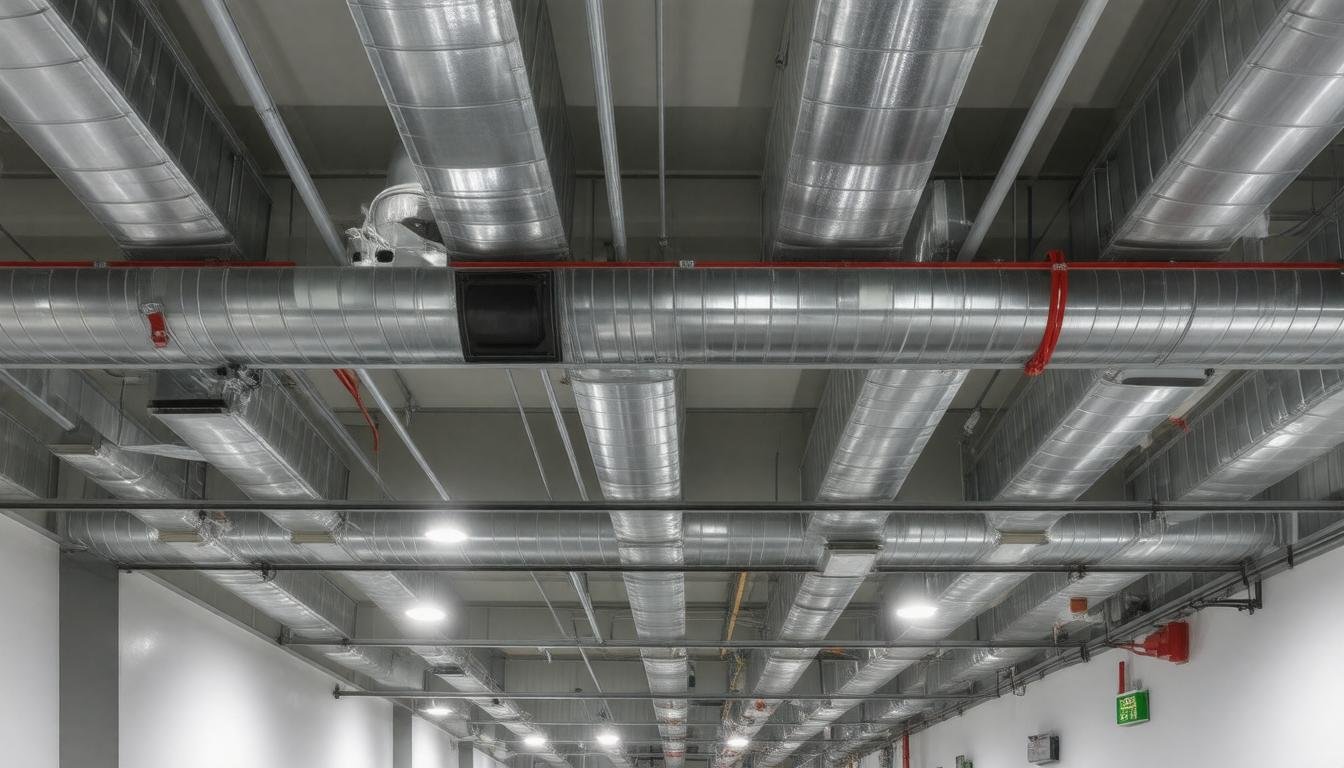
Smoke Ventilation System Design Guide: Best Practices for Building Code Compliance
Smoke ventilation systems might not be the first thing you think about when walking into a building, but they play

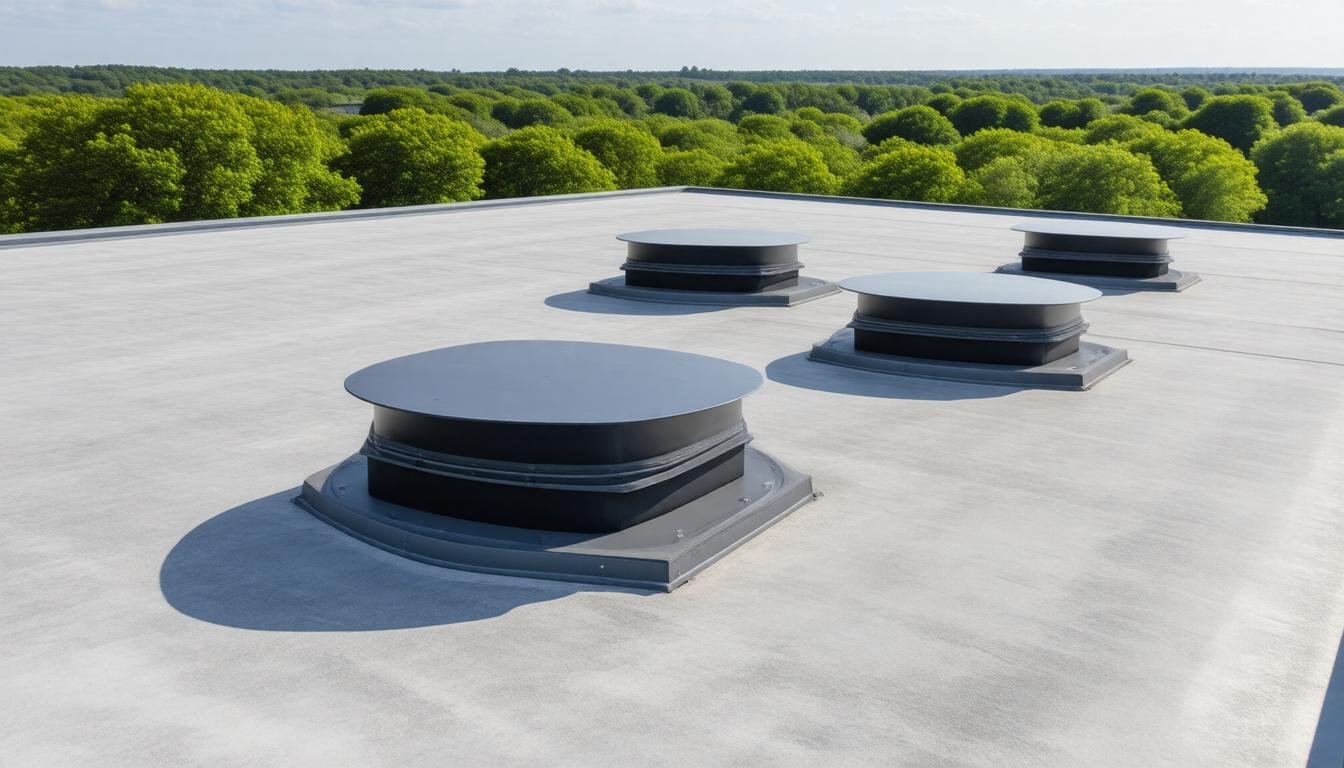
When you think about keeping a building comfortable and fresh, you probably imagine noisy fans or complex HVAC systems working overtime. But what if the air inside could be managed almost by itself, naturally and quietly? That’s where natural vent actuators come in—they’re smart little devices that open and close vents or windows automatically to let fresh air flow just right, without using much energy. This article breaks down how these actuators work, what types you might find, and why they’re becoming a popular way to keep indoor spaces comfortable while saving energy.
Natural vent actuators are energy-efficient devices that automate the opening and closing of vents, windows, or dampers to optimise natural airflow within a building. By enabling precise control over ventilation without modifying existing ductwork, these actuators enhance indoor air quality, reduce manual effort, and contribute to better energy performance in residential, commercial, and industrial environments.

Among the most common and versatile are chain actuators, which excel at opening and closing windows or rooflights with minimal fuss. Their design features a telescoping chain that extends or retracts smoothly, making them especially useful for awkwardly shaped or hard-to-reach openings. For instance, the Mingardi MICRO EVO1 stands out not only because it’s customizable in colour but also for its compact form factor, allowing installers to blend functionality with aesthetics seamlessly. This versatility is why chain actuators are often chosen for natural ventilation projects where elegance and unobtrusiveness are priorities.
Moving to applications demanding greater force and precision, linear actuators step into the spotlight. These devices convert rotational motion from an electric motor into linear displacement, exerting significant pushing or pulling power. This makes them indispensable in commercial or industrial buildings requiring powerful yet accurate control over large dampers or vent panels.
With their precise positioning capabilities, linear actuators can finely tune airflow rates, balancing ventilation needs against energy efficiency demands—a critical consideration in sustainable building design.
Then there are rack-and-pinion actuators, prized for mechanical robustness and reliability. Their design involves a gear (pinion) engaging a toothed bar (rack), translating rotary motor motion into linear movement. This configuration provides excellent mechanical advantage, allowing effortless operation of heavy facade windows or large vent panels typical of modern architectural façades.
What distinguishes these actuators is their ability to deliver consistent performance over long cycles without excessive electrical consumption or wear, further adding to building longevity and occupant comfort.
When selecting an actuator type, it’s vital to consider factors like window size, weight, required stroke length, and installation constraints. While chain actuators offer flexibility for smaller or medium openings, linear and rack-and-pinion systems better serve heavier-duty situations. Balancing these needs ensures optimal airflow control while avoiding unnecessary strain on the building’s structural elements or HVAC system.
These varied types reflect the nuanced world of natural ventilation—where smart airflow management is as much about matching technology to architecture as it is about energy savings. This understanding paves the way to examine how these components work together within ventilation systems to maintain superior indoor air quality efficiently.
At its core, the mechanism behind natural vent actuators is surprisingly simple yet elegantly effective: these devices physically adjust vents, windows, or skylights in response to changing environmental conditions, harnessing the natural forces around us—like temperature fluctuations and air pressure differences—to regulate indoor air movement without needing electrical input. This hands-off approach means they work quietly and sustainably, relying on materials that respond autonomously to heat or humidity.
For example, a common element like a bimetallic strip bends when exposed to rising temperatures. Just imagine two different metals bonded together that expand at different rates; as the room warms, this bending motion pushes or pulls linked vent components open. It’s a subtle movement but enough to gradually increase airflow and cool down the space. Conversely, when temperatures drop, the strip relaxes, closing the vent to keep warmth inside. This back-and-forth dance happens naturally and repeatedly, allowing continuous airflow adjustments tied strictly to actual need.
Similarly, wax motors within these actuators expand as they heat up — often between 20°C to 60°C — creating enough force to slide vents open smoothly over several minutes. Because wax expands predictably with temperature changes, these actuators provide reliable modulation of airflow without sudden jerks or noisy mechanical parts. In both cases—bimetallic strips and wax motors—the stroke length varies but usually falls between 10mm to 50mm, enough to fully open or close a vent door.
What’s important here is that these systems don’t require external power sources; their energy consumption is effectively zero during operation since they simply convert ambient heat into mechanical movement. This reduces operational costs and maintenance worries, ensuring long-term reliability especially in hard-to-reach places like roof ventilators or industrial vents.
The angle of opening controlled by such an actuator can range anywhere from completely closed (0°) to fully open (up to 90°), providing smooth control over the volume of air entering or exiting a building. Depending on vent size and design, this can translate into airflow adjustments from zero up to 500 cubic feet per minute—a substantial range that allows precise regulation tailored to each room’s needs.
Integrating natural vent actuators into existing window automation systems further increases their impact. When paired with sensors like CO2 monitors or temperature controllers—as seen in advanced setups offered by companies like Mercor UK—the actuators respond dynamically not only to temperature but also to air quality metrics. This ensures fresh air circulates just when occupants need it most, boosting comfort while optimising building energy use.
It’s also worth mentioning how actuator materials matter: stainless steel for bimetallic strips resists corrosion and fatigue over many cycles; paraffin wax in wax motors lets them expand smoothly; nickel-titanium alloys used in shape memory actuators provide strong contraction forces with a quick response time around 70°C transition point. These material choices underpin durability and responsiveness even in demanding environments.
Understanding how these subtle mechanical movements translate into meaningful airflow control helps users appreciate why natural vent actuators stand out as sustainable solutions within modern ventilation strategies. They harness physics neatly packaged within miniature mechanisms that continually adapt your indoor environment without electric power or manual effort—an elegant solution fitting perfectly with energy-conscious building design.
Beyond their mechanical ingenuity, the real strength of natural vent actuators lies in how effectively they integrate into holistic ventilation systems that improve air quality while reducing energy demands—a topic we’ll explore next.

Natural vent actuators play a crucial role in making buildings smarter about airflow, which translates to substantial energy savings and better temperature regulation. Instead of relying heavily on traditional HVAC systems that consume vast amounts of electricity or fuel, these actuators harness the power of fresh outside air to cool or ventilate spaces naturally.
Imagine a warm summer day when the system gently opens strategically placed vents just enough to invite refreshing air inside—without turning on noisy air conditioners or fans unnecessarily. This subtle control minimises energy waste while maintaining a pleasant environment.
At the heart of this technology lies precision: actuators adjust damper positions based on real-time data from temperature and air quality sensors. This means they aren’t just blindly opening or closing but making nuanced adjustments that keep indoor temperatures stable within a narrow range—usually within ±1.5°C.
Such accuracy ensures rooms don’t overcool or overheat, reducing the load on heating and cooling systems significantly. Over time, this careful balancing acts like a thermostat’s perfect partner, allowing occupants to experience comfort with less environmental and financial cost.
Research confirms these impacts unequivocally. Buildings equipped with natural vent actuators consistently report up to a 30% reduction in overall energy consumption compared to those depending solely on mechanical ventilation. Even more impressive is the steady annual saving of 15% or more on heating and cooling bills due to optimised airflow management, as actuators open vents only when needed instead of wasting energy conditioning unnecessary volumes of air.
Additionally, passive cooling strategies enabled by these devices complement their efficiency profile. They exploit natural temperature gradients and wind patterns through methods such as cross ventilation (bringing air in from one side and letting it out another) and stack ventilation (using warm-air rise to expel heat through high vents). By automating these vents with precise actuator control, buildings can maintain comfort without mechanical intervention for extended periods — especially valuable during shoulder seasons or mild climates where extreme heating/cooling isn’t necessary.
Beyond raw savings, this integration offers enhanced indoor environment quality by continuously refreshing stale air without creating drafts or noise disturbances common with forced systems. From a sustainability perspective, using less energy also reduces carbon footprints—a growing priority for commercial developers aiming for green certifications or homeowners wishing to limit their ecological impact.
Benefits of natural vent actuators in energy efficiency and temperature management include:
For best results, pairing natural vent actuators with intelligent control panels and sensors, such as Teal Products’ Mingardi MICRO EVO1 actuator coupled with WindowMaster’s CTS2 CO2 sensor, creates an ecosystem where ventilation dynamically responds not only to temperature but also air quality—and all without manual intervention.
Understanding how these components interact practically leads us straight into exploring how system design can elevate performance even further, guiding choices that fully leverage smart ventilation’s potential.

Designing an optimised natural ventilation system begins with a clear understanding of the building’s unique characteristics and requirements. No two buildings are alike—what works in one space may prove inefficient or insufficient in another. This means careful consideration of factors such as building size, layout, occupant density, and typical usage patterns is essential before selecting or configuring actuators.
A detailed site analysis forms the foundation of any successful natural ventilation design. This process includes examining local wind patterns—which side does the wind most frequently blow from? Identifying prevailing winds can help you position vents to capture fresh air efficiently. Building orientation also plays a key role; for example, windows facing south may receive more sunlight and warmth, influencing airflow and temperature regulation strategies inside. Internal layout matters too: narrow corridors, large open halls, or multiple enclosed rooms demand different ventilation approaches to ensure balanced airflow throughout the space.
Imagine a commercial office set on a hillside where winds predominantly funnel from the west. Placing strategically located window actuators on this westerly face can harness these breezes via cross ventilation, cooling interiors without mechanical intervention.
Conversely, for a building surrounded by taller structures blocking wind flow, stack ventilation—where warm air is drawn upward through high-level vents—might be more effective.
Working with specialists who understand these dynamics—like those at Mercor UK—can uncover overlooked airflow opportunities and avoid costly trial and error during installation.
Modern natural vent actuator systems reach peak performance when combined with smart controls and sensor data. Integrating devices such as CO2 sensors, temperature monitors, and humidity detectors allows these systems to respond dynamically to real-time indoor air quality changes rather than relying on static schedules alone.
For instance, by installing WindowMaster CTS2 CO2 sensors alongside Mingardi MICRO EVO1 actuators, ventilation openings adjust automatically as occupancy levels shift throughout the day—improving comfort while avoiding unnecessary heat loss or energy consumption. This intelligent interplay between sensors and actuators balances fresh air intake with weather conditions and energy-saving goals seamlessly.
Crucially, these integrations also enable compatibility with broader building management systems (BMS) using standard communication protocols like BACnet or Modbus — providing facility managers centralised oversight and the ability to fine-tune settings remotely.
| Benefits of Smart Sensor-Actuator Systems |
|---|
| – Reduce manual intervention |
| – Optimise indoor air quality continuously |
| – Prevent over-ventilation and energy waste |
| – Enable predictive maintenance through real-time feedback |
Once the system is designed thoughtfully and integrated with smart controls, ensuring proper installation practises and scheduling regular maintenance become critical steps toward sustaining efficiency and long-term reliability. The next section focuses on practical advice for effective installation procedures and ongoing upkeep to keep your natural ventilation operating at its best.
Proper installation is not just about securing the actuator in place; it’s the foundation on which the entire system’s performance rests. When professionals instal natural vent actuators, they apply precise torque—typically between 2.5 to 3.5 Newton-meters—to mounting screws, ensuring these devices remain firmly fastened yet free of strain. This attention to detail reduces risks like mechanical binding or premature motor burnout, which account for a significant percentage of actuator failures.
Beyond just physical placement, professional installers calibrate each actuator to within ±2 degrees of vent opening angle. This fine-tuning guarantees smooth operation and correct airflow control, preventing excessive static pressure that could damage HVAC components or reduce energy efficiency. Poor installation, reported at roughly 12% in recent industry surveys, can lead to misalignment and wiring faults restricting performance from day one. Enlisting skilled technicians ensures systems work reliably right out of the gate—and stay that way.
Don’t underestimate the value of comprehensive commissioning services either. These include detailed inspections and performance validations after installation. A thorough commissioning phase checks sensor calibrations, control panel integrations, and actuator responses under real operating conditions, so any potential issues get addressed before regular use begins.
Once installed correctly, keeping actuators in top condition requires routine maintenance tailored to their delicate mechanics and electronics.
Routine upkeep typically involves cleaning with soft brushes and compressed air to remove dust and debris without harming sensitive sensors or internal components. Avoid solvents that might erode lubricants or damage electronic parts. Twice-yearly maintenance sessions—which can be scheduled alongside general building HVAC checks—significantly extend the life expectancy of actuators by up to 20%, according to recent case studies.
During these maintenance visits, software updates should also be verified for smart systems to maintain compatibility with evolving control panels and sensors. Technical glitches often stem from outdated firmware rather than hardware breakdowns, so keeping the system’s software current prevents unexpected malfunctions.
Think of this process like tuning an instrument: even small imperfections can cause noticeable issues over time, but regular fine adjustments keep everything playing harmoniously. Likewise, clean components and tight calibration ensure your ventilation system adapts smoothly to changing environmental conditions while minimising energy consumption.
Feedback from clients such as Clarkson Evans highlights how professional installation combined with consistent maintenance produces a system that not only performs flawlessly but also reduces operational costs over its lifespan—a win-win for comfort and efficiency.
As natural vent actuators continue evolving with smarter technologies, their capacity to respond proactively to shifting climate conditions opens new doors for enhanced indoor comfort and sustainability. Exploring these advanced capabilities offers a glimpse into the future of adaptive building systems.
Smart actuators represent a leap beyond simple on-off controls. They harness advanced sensors and intelligent algorithms to constantly read the environment—temperature, humidity, wind speed—and respond in real-time. Think of them as your ventilation system’s brain: continuously adjusting airflow to keep indoor conditions comfortable while reducing energy waste.
These dynamic adjustments mean that instead of operating according to rigid schedules or manual inputs, the actuators automatically modulate vent positions based on immediate outdoor and indoor data. For example, if a sudden drop in external temperature is sensed, the actuator can reduce ventilation accordingly to prevent heat loss while maintaining fresh air circulation. This level of responsiveness is crucial in climates with frequent weather fluctuations where traditional systems might lag behind changing conditions.
Moreover, smart actuators integrate seamlessly with building management systems and external weather stations, furnishing operators with predictive insights. By anticipating shifts such as approaching storms or heatwaves, they can prepare ventilation settings ahead of time. This proactive adaptation not only improves occupant comfort but also extends equipment lifespan by avoiding unnecessary mechanical strain from rapid cycling or overuse.
From an energy perspective, the impact is impressive. Studies show that buildings employing smart natural vent actuators can cut energy consumption for heating and cooling by up to 40%. This saving stems largely from eliminating wasted ventilation during times when airflow isn’t needed or can be optimized—something conventional systems rarely manage efficiently.
For instance, commercial properties fitted with these devices have documented significant reductions in utility expenses without sacrificing air quality standards—a win-win situation both financially and environmentally.
Selecting the right smart actuator means considering factors like compatibility with your existing ventilation infrastructure, communication protocols (Bluetooth or wired networks), environmental durability (especially in harsh industrial settings), and integration capabilities with broader automation tools. The ideal actuator strikes a balance between advanced functionality, customization, and cost-effectiveness—all essentials for truly effective climate adaptation.
When choosing technology providers, companies such as Changzhou Chenglei specialise in tailored solutions offering explosion-proof certifications for industrial environments along with smart features like remote diagnostics and Bluetooth control. Their ability to deliver rapid prototyping from low-volume orders adds flexibility for projects requiring specialised configurations. Understanding these nuances helps you make an informed choice that maximises operational benefits.
With this deeper grasp of how smart actuators adapt ventilation intelligently, we can next examine how to identify the most suitable actuator for your specific operational demands and environment.
Picking the perfect natural vent actuator starts with understanding what you want it to do. Think about the features you truly need—do you require rapid response for emergency venting, or perhaps something that blends energy efficiency with quiet operation for a residential setting?
Features like fire emergency functions are crucial in commercial or industrial buildings where safety regulations demand swift smoke evacuation. Meanwhile, energy-saving designs help reduce operational costs without sacrificing performance, a priority in every building type today.
Another important consideration is whether the actuator integrates smoothly with existing building management systems, allowing centralised control and monitoring—something increasingly common and desirable in modern constructions.
Beyond features, it’s essential to think about where the actuator will live: its application environment. Residential buildings commonly favour actuators that are flexible and easy to instal, like chain actuators which accommodate various window styles without major alterations.
In contrast, commercial spaces often demand more robust solutions such as linear actuators that provide high accuracy and durability—capable of handling frequent use over extended periods without failure.
For industrial environments where vents can be heavy or exposed to harsher conditions, rack-and-pinion actuators offer the power and ruggedness needed to reliably operate large panels or dampers under stress.
| Application | Recommended Actuator | Key Features |
|---|---|---|
| Residential | Chain Actuator (Mingardi) | Flexible installation; low noise; adjustable force |
| Commercial | Linear Actuator (WindowMaster) | Precise control; robust build; compatible with BMS |
| Industrial | Rack-and-Pinion Actuator | High torque; durable materials; suited for heavy panels |
Another angle to consider is operating conditions such as temperature ranges and environmental exposure. Most commercial-grade actuators withstand temperatures from -20°C up to 60°C, making them suitable for both indoor and semi-exposed installations.
If your project involves roof vents or external openings, corrosion resistance—often via aluminium housings combined with stainless steel internals—is key to prolonging lifespan.
A thoughtfully selected actuator does more than just open and close vents; it ensures smooth airflow control that adapts to occupant comfort needs while optimising energy consumption.
Proper sizing and force ratings matter too: an undersized actuator struggles with heavier panels causing wear and failures, while an oversized one may waste energy or increase noise unnecessarily. Understanding these nuances helps avoid costly replacements or inefficient operation down the line.
Finally, consider maintainability and warranty terms. Reliable brands like those featured on Mercor UK typically offer warranties between 2 to 5 years and design their products for minimal upkeep—requiring only annual inspections and occasional lubrication like every two years.
This level of serviceability can save time and money while ensuring your ventilation system runs smoothly year after year.
By weighing these factors—features, environment, durability, and maintenance—you’ll confidently pinpoint an actuator that not only fits your immediate needs but also supports long-term building performance and air quality goals.
Selecting the right natural vent actuator is a crucial step toward maximising energy efficiency and occupant comfort in any building type. For expert guidance tailored to your specific requirements, request a quote today at Mercor UK.
Smoke ventilation systems might not be the first thing you think about when walking into a building, but they play

When it comes to keeping your home safe from fire, smoke can often be the biggest danger—more than heat or