
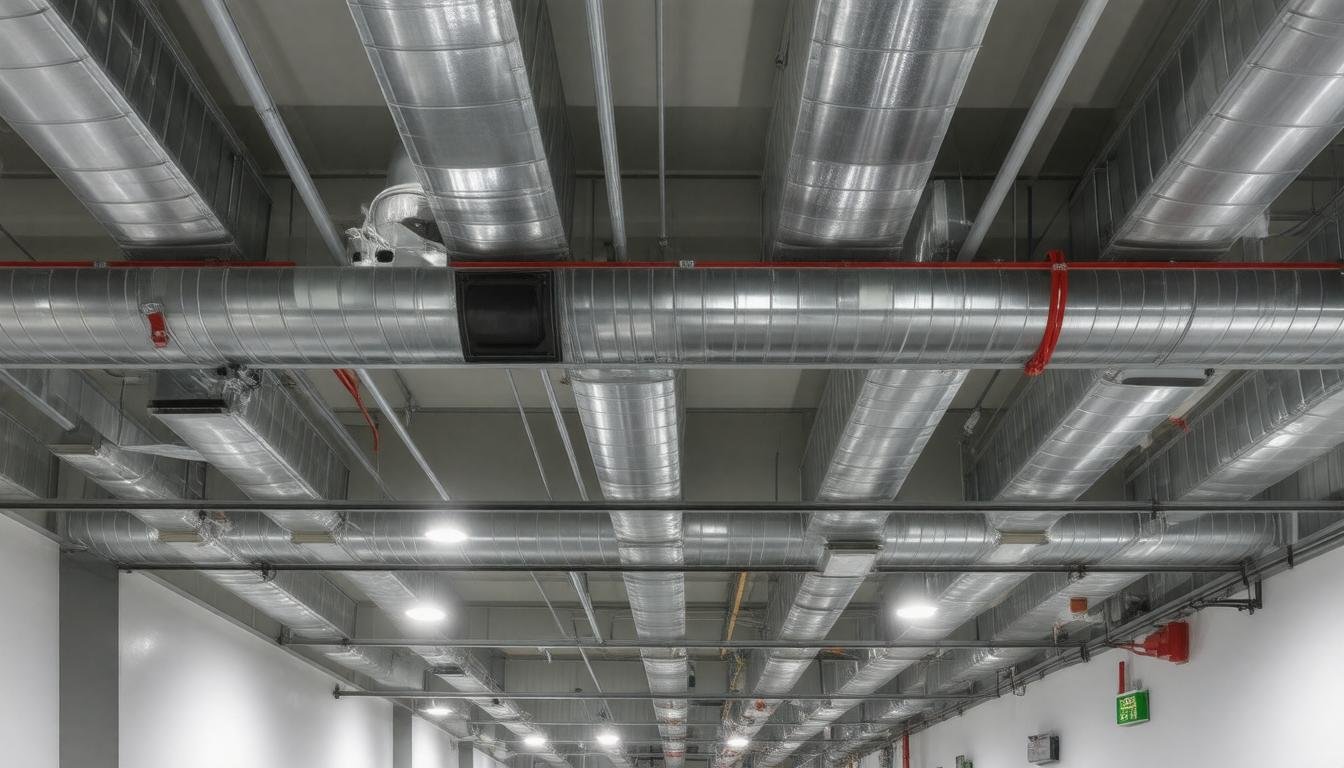
Smoke Ventilation System Design Guide: Best Practices for Building Code Compliance
Smoke ventilation systems might not be the first thing you think about when walking into a building, but they play
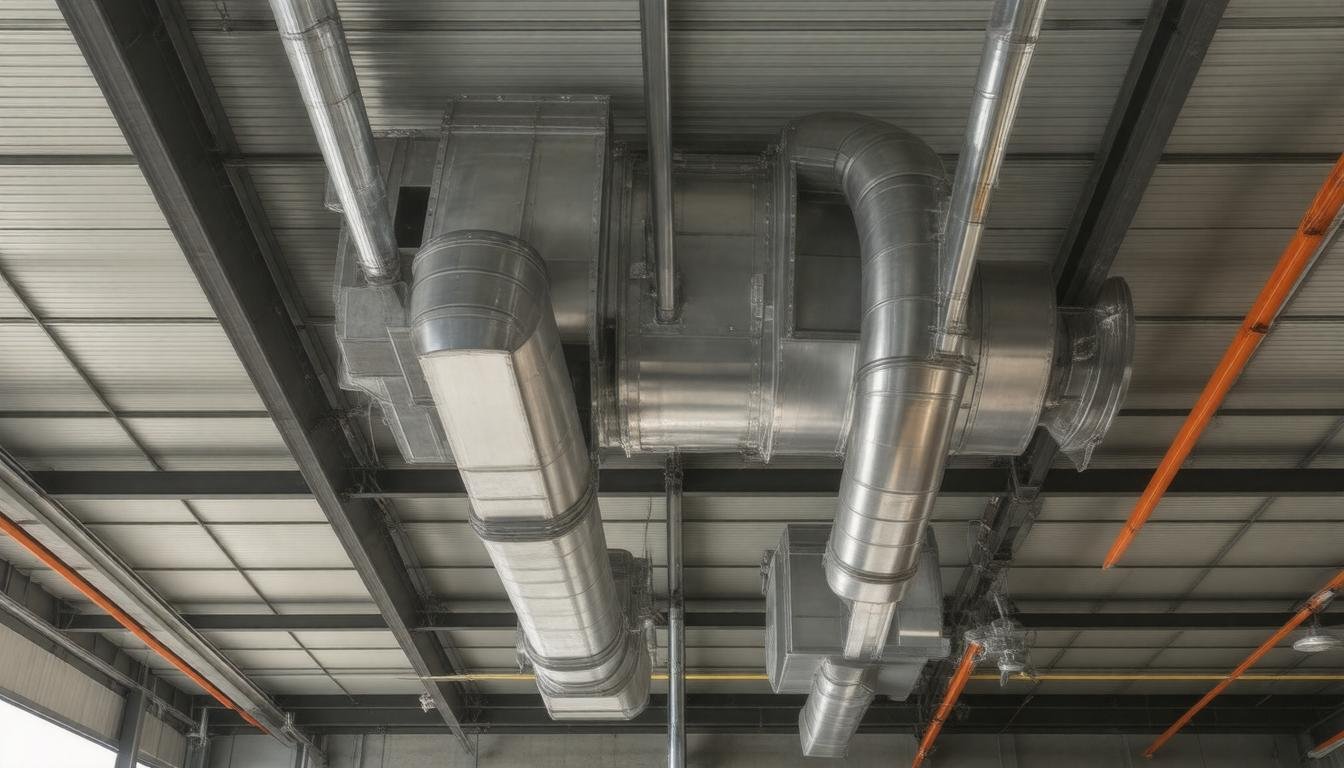
When it comes to fire safety in commercial buildings, managing smoke is just as important as controlling flames. Smoke spreads quickly and can cause confusion, injury, or worse before the fire itself even reaches people. That’s why installing a reliable smoke ventilation system isn’t something to overlook—it’s a smart and vital part of keeping everyone inside safe. In this guide, we’ll break down what these systems do, how they work, and why choosing the right components matters, so you can feel confident about protecting your building and its occupants.
A commercial smoke ventilation system is an engineered fire safety solution designed to remove smoke from large commercial buildings during a fire, enhancing visibility and air quality for safe evacuation and aiding fire-fighting efforts. These systems comply with stringent UK regulatory standards, ensuring effective smoke extraction to protect life and property while minimizing smoke damage.
At the heart of any reliable smoke ventilation strategy lies the smoke control damper. These devices aren’t just simple air movers—they act as gatekeepers, strategically installed throughout a building to regulate the passage or containment of smoke. When a fire occurs, they automatically or manually close off certain zones to prevent smoke from spreading, or open up to direct it safely outside. Their effectiveness depends on careful placement and precise operation, making their maintenance critical for safeguarding both property and lives.
Take, for example, the widely trusted mcr WIP LD 1.0 GFA multi-blade smoke control damper available from Mercor Fire Protection UK. With a sizeable free area exceeding one square meter, this damper handles considerable smoke volumes efficiently. This capacity isn’t just about power; it’s about reliability under pressure when seconds count. The design incorporates multiple blades to modulate airflow precisely—enabling the system to balance smoke extraction with fresh air intake where needed.
Alongside dampers, Automatic Opening Vents (AOVs) perform an equally critical function by providing controlled release points for smoke and hot gases.
AOVs serve as the building’s emergency valves, typically installed in roofs or high walls where hot air naturally rises. They spring open automatically on detecting fire signals or heat thresholds, clearing escape routes and improving visibility for occupants and firefighters. The value of AOVs lies not only in their design but also in ensuring they remain fully functional through regular testing. A malfunctioning vent defeats its purpose entirely, underscoring the need for disciplined inspection routines integrated into building maintenance schedules.
However, these physical components depend heavily on robust control systems at their command.
Control panels often fly under the radar in fire safety conversations, yet they are crucial command centers that orchestrate the entire ventilation response. Imagine having a fleet of ships without a captain; without control panels to trigger dampers and open vents in perfect coordination, individual components lose effectiveness—and risk becomes unacceptable. The panel monitors sensors, evaluates fire signals, and activates mechanisms with lightning speed and unerring accuracy.
Mercor Fire Protection UK provides advanced control panels designed with user-friendly interfaces and seamless integration capabilities with other fire safety modules. These panels come equipped to manage complex building layouts while offering fail-safes such as self-testing routines and backup alerts. In volatile situations where power may fail or signals falter, having dependable control infrastructure is non-negotiable.
Finally, we must acknowledge the silent guardian behind the scenes—the backup power supply—that guarantees uninterrupted system performance during outages.
Commercial smoke ventilation relies not only on mechanical parts but also on stability from power sources. A common misconception is assuming mains electricity will always be present during emergencies. Unfortunately, fires often cause disruptions that can knock out primary power supplies right when systems need them most. Backup batteries and emergency generators step in here to keep smoke dampers closing and AOVs opening exactly when required. Investing in reliable backup power solutions protects against system failure that could turn a manageable fire into a catastrophe.
“A fire safety system is only as strong as its weakest component — and that includes power,” notes a Mercor UK safety expert.
Together, these elements form an integrated shield—each part supporting the others to ensure commercial buildings meet regulatory demands while prioritizing occupant safety and property protection simultaneously.
Understanding these components paves the way to appreciating how they collectively contribute to comprehensive fire safety strategies within commercial settings.
The fundamental purpose of commercial smoke ventilation systems is to manage and clear smoke efficiently during a fire, which directly influences the survival chances of building occupants and the effectiveness of firefighting efforts. Smoke is the primary killer in fires — it’s not the flames but the toxic gases and reduced visibility that cause most fatalities.
According to UK Government Fire Statistics from 2022, an overwhelming 53% of fire-related deaths were due to smoke inhalation rather than burns. This stark figure highlights why properly designed smoke ventilation isn’t just a regulatory checkbox—it’s a vital lifesaving measure.
These systems work by maintaining clear escape routes, particularly stairwells and corridors, free from dense, toxic smoke.
When a fire breaks out, the natural instinct is to find an exit quickly. But thick smoke severely impairs visibility and causes people to panic or become disoriented. Mechanical or natural smoke ventilation provides fresh air, improves visibility, and keeps breathing zones safe—allowing occupants to evacuate calmly and safely.
Beyond just protecting people, smoke ventilation also supports firefighters on arrival.
With reduced smoke accumulation inside, emergency responders can locate and tackle the source of the fire faster. Clearer conditions mean equipment like thermal imaging cameras are more effective, and teams can move without unnecessary delay or risk.
In this way, smoke ventilation systems aren’t only preventive—they actively enable faster intervention, which minimizes property damage and loss.
Given these benefits, it’s important for building owners and safety managers to select ventilation solutions tailored precisely to the specific type and layout of their building.
For example, Mercor Fire Protection UK offers a range of advanced smoke control dampers and roof louvres designed for various occupancies—from sprawling shopping centres to compact office blocks. Each product is engineered with compliance and performance in mind, ensuring optimal functionality when it matters most.
While some stakeholders express concerns about installation costs and maintenance complexity, it’s essential to weigh these against the potential consequences of inadequate systems. Investing in proper smoke ventilation is not only fulfilling regulatory requirements but fundamentally protecting lives and assets.
In practice, the peace of mind that comes from knowing your building has robust fire safety infrastructure often outweighs upfront expenditures.
Key ways smoke ventilation enhances fire safety include:
Ultimately, the role of commercial smoke ventilation systems transcends technology; it’s about safeguarding lives through intelligent design and reliable performance. Companies like Mercor Fire Protection UK combine decades of expertise with innovative products readily available in the UK market—helping businesses meet these vital safety goals efficiently and confidently.
Understanding how these systems operate within fire safety sets the stage for exploring how thoughtful design enhances their effectiveness in buildings of all sizes and complexities.
Designing an efficient smoke ventilation system is much more than just selecting components and placing them randomly throughout a building. It requires deliberate planning that harmonizes with the building’s structure, usage patterns, and safety regulations to ensure optimal performance during an emergency. The first critical factor to consider is the building layout because it directly affects where ventilation elements must be positioned for maximum impact.
For instance, in a sprawling multi-story office building, you can’t simply install ventilation vents haphazardly; smoke control dampers and Automatic Opening Vents (AOVs) need to be precisely located on each floor, especially in stairwells, hallways, and escape routes. These placements ensure that smoke is pushed away from exit pathways, maintaining clear egress for occupants.
The complexity increases when dealing with interconnected rooms or open-plan spaces, which require carefully calibrated smoke extraction points to avoid dead zones where smoke might accumulate.
But understanding physical space is only half the challenge; we must also tailor the system based on the type of building itself.
Different buildings bring distinct challenges and priorities. Take hospitals as an example: they house patients who may be immobile or dependent on medical equipment. This vulnerability demands a system with numerous fail-safes—multiple ventilation points, redundancy measures, and instant activation protocols—to safeguard lives even if primary components fail.
Conversely, a warehouse prioritizes protecting vast inventories but still cannot compromise fire safety standards. Here, a well-designed smoke ventilation system focuses not just on human safety but also on preserving valuable goods by efficiently extracting smoke before it causes severe damage.
Alongside matching the system to specific building functions, stringent adherence to regulatory compliance forms another cornerstone of sound design.
In the UK context, this means strictly following standards like BS 9999: Code of practice for fire safety in the design, management and use of buildings. Compliance isn’t optional; it’s mandatory to guarantee safety and legal conformity.
Systems supplied by Mercor Fire Protection UK are designed with these regulations in mind, ensuring every damper, vent, and control panel meets or exceeds necessary codes. This regulatory alignment not only mitigates risks but also provides peace of mind that your fire protection measures are fully certificated.
Beyond compliance lies another leap forward—the integration of advanced technology in modern smoke ventilation design.
Leveraging recent advancements means more than just manually opening vents. Today’s systems often feature intelligent controls integrated with Building Management Systems (BMS). This connectivity allows real-time monitoring of environmental conditions like temperature and smoke density, triggering automatic responses such as opening vents or activating fans without human intervention.
Such smart features vastly improve response times during incidents while reducing false alarms or unnecessary activations. It’s an evolution from reactive to proactive fire safety management—a change that enhances both occupant protection and operational efficiency.
“Designing a commercial smoke ventilation system today is about blending architecture with technology while navigating regulations—only then can you protect lives effectively.”
These layered considerations—from architectural layout through compliance to cutting-edge automation—combine to create reliable smoke ventilation solutions tailored to diverse environments. When planned thoughtfully with expert guidance from companies like Mercor Fire Protection UK, these systems embody both safety and sophistication.
With foundational design elements clearly defined, the next step involves practical application—including how installation practices align with these standards to achieve optimal system functionality and regulatory adherence.
Proper installation of a commercial smoke ventilation system is not simply about putting parts together; it is the foundation upon which the entire safety strategy rests.
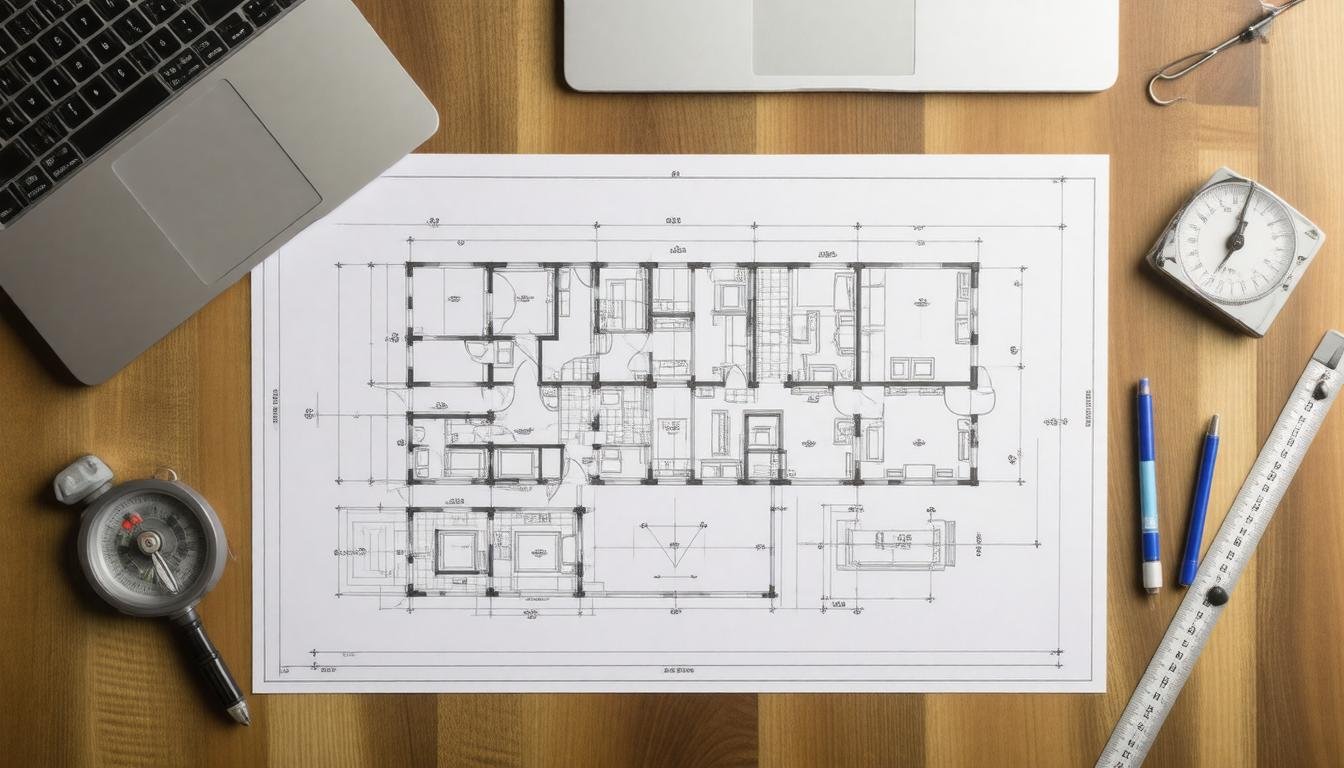
This process begins with thorough planning and site evaluation, where understanding every nook and cranny of the building layout is vital. Consulting original blueprints helps installers comprehend structural complexities, while close collaboration with fire safety engineers ensures that practical realities align with design intentions.
This early step prevents costly changes later and guarantees that smoke extraction points are perfectly positioned for maximum effect.
Once the groundwork is laid out, component placement follows as a matter of precision. Automatic Opening Vents (AOVs) need to be installed at specific ceiling levels, particularly in common areas that could rapidly fill with smoke during a fire.
Roof louvres must also be strategically set up to provide an effective escape route for smoke, minimizing its spread through occupied zones.
It’s worth highlighting that Mercor Fire Protection UK supplies detailed installation guides with every product. These resources ensure that installations adhere strictly to industry standards, safeguarding against errors that could undermine system performance or compliance.
Electrical wiring is another critical aspect that demands absolute attention.
All connections between control panels, AOVs, dampers, and backup power sources should be carried out by certified electricians familiar with local electrical codes.
The integrity of these connections directly impacts system reliability—loose or incorrectly wired components risk failure under emergency conditions.
Drawing on Mercor’s expertise in fire safety solutions means access to comprehensive technical support during this stage, which can prove invaluable.
The installation culminates in a rigorous final inspection and testing phase.
Here, installers simulate fire conditions to verify that every part—from multi-blade smoke control dampers to automatic vents—operates flawlessly.
This testing isn’t just a one-time event; scheduling regular post-installation inspections becomes essential for ongoing system assurance.
As John, a facility manager from a major commercial complex, puts it:
“The installation was seamless and the final inspection by Mercor-UK ensured that our system was fail-proof.”
Such confidence stems from thorough testing paired with Mercor’s commitment to excellence.
With installation solidified and systems rigorously tested, attention naturally turns to preserving this level of performance over time through proper upkeep and routine evaluations. This ongoing focus ensures smoke ventilation systems remain ready to safeguard any environment effectively.
Regular maintenance is the lifeblood of any smoke ventilation system. Without it, even the most advanced equipment can deteriorate or fail at crucial moments. Monthly routine inspections serve as a simple but critical first line of defense. During these visual checks, look carefully for any visible signs of damage—like dents in vents, blockages in louvers, or anything unusual that might impede airflow. These small nuisances can silently erode the effectiveness of your system if left unchecked.
It’s important to understand that while monthly inspections keep you alert to obvious issues, they don’t replace professional assessments. At least once a year, trained technicians—such as those offered by Mercor Fire Protection UK—should conduct comprehensive evaluations that go beyond the surface. They will test electrical components like control panels and sensors, ensuring every part functions harmoniously within the system. Mechanical parts, after all, can wear with time or environmental exposure and may need recalibration or replacement to maintain reliability.
Keeping internal components clean is just as vital to the system’s success as monitoring them visually.
Dust accumulation isn’t just an aesthetic problem—it directly interferes with how well your smoke vents and dampers operate. When vents get clogged or sensors coated with grime, their response times slow dramatically or even fail altogether. Think about it: a sensor that can’t “breathe” won’t be able to detect smoke quickly enough to activate ventilation when you need it most. To prevent this, clear dust and debris regularly from vents, louvers, damper blades, and sensors using appropriate tools such as soft brushes or low-pressure air jets.
Make it a habit to gently clean these parts during your routine inspections and ask your service provider for thorough cleanings on a scheduled basis. This approach keeps airflow unhindered and sensor accuracy sharp.
Then there’s the often-overlooked but critical aspect: keeping your system’s software current.
Modern smoke ventilation systems rely heavily on software for control and automation features. Over time, manufacturers release updates—not only improving functionality but also patching security vulnerabilities that could otherwise compromise system integrity. Neglecting these updates could leave your building exposed to risks both technical and safety-related. Mercor UK provides maintenance packages that seamlessly incorporate regular software checks and upgrades. This ensures your system runs on the latest stable platform without interruption or manual fuss.
Updating software might seem like a mundane task compared to other physical upkeep responsibilities, yet it’s integral for compliance with evolving fire safety standards and protocols. In effect, a well-maintained system extends beyond mechanics into digital resilience—a dual shield protecting lives and property.
Choosing a trusted partner like Mercor Fire Protection UK means gaining access not only to quality products but also expert ongoing support and maintenance service designed with your peace of mind in focus.
Don’t let maintenance become an afterthought. Schedule inspections, prioritize cleaning, and stay updated on software to keep your smoke ventilation system fully operational every day of the year.
With maintenance practices firmly in place, understanding how emerging ventilation solutions build on this foundation reveals new possibilities in fire protection technology.
The field of smoke ventilation has undergone transformative changes thanks to several cutting-edge innovations. Today’s systems go far beyond simple smoke extraction; they incorporate intelligent features designed to enhance safety and efficiency through automation and data integration. This evolution addresses the complex challenges posed by modern construction and fire safety regulations, pushing smoke ventilation into a new era.
At the forefront are smart ventilation systems powered by artificial intelligence. These systems don’t just react—they anticipate. Using AI algorithms, they analyze factors such as building layout, fire detection sensors, and airflow patterns to predict how a fire might spread. With this insight, they can dynamically adjust vents and dampers to direct smoke away from escape routes and critical areas, improving evacuation conditions and aiding firefighter access. This level of responsiveness dramatically reduces the risk that conventional, static systems face when dealing with unpredictable fire behavior.
Mercor Fire Protection UK actively champions these advancements with their mcr PRO smart control system. This platform offers real-time monitoring of smoke ventilation components through integrated sensors and connects directly with building management systems (BMS). What sets mcr PRO apart is its remote control capability—facility managers can oversee and adjust ventilation settings using mobile devices or online dashboards, enabling immediate intervention if anomalies or faults occur. This connectivity ensures your smoke ventilation system isn’t just installed but actively managed for peak performance.
In addition to intelligent controls, there has been an industry-wide shift toward sustainability in product design and manufacturing. Components like Automatic Opening Vents (AOVs) and lobby dampers are increasingly made from environmentally friendly materials that minimize waste and carbon emissions during production. For example, lightweight composites and recycled metals not only reduce ecological impact but also contribute to easier installation and longer product lifespan due to improved corrosion resistance.
Choosing products built with sustainability in mind supports your organisation’s green policies while maintaining rigorous fire safety standards. Mercor Fire Protection UK ensures their entire range reflects this balance—providing solutions that meet stringent performance criteria without compromising environmental responsibility.
Advanced smoke ventilation technology isn’t just about individual components or smarter electronics; it’s about creating an interconnected system that communicates seamlessly within a building’s overall safety infrastructure. By linking smoke control devices with alarm systems, sprinklers, and emergency lighting, these technologies create coordinated responses during emergencies. Such integration allows for precise control over smoke movement while easing regulatory compliance and facilitating efficient maintenance schedules through centralized diagnostics.
In practical terms, this means fewer false alarms, quicker response times, and better insights into system health—offering peace of mind for building managers responsible for occupant safety.
“The future of fire safety lies in intelligent, sustainable, and integrated solutions,” explains a spokesperson at Mercor Fire Protection UK. “Our commitment is to bring those advancements to every building we serve.”
Ultimately, investing in advanced smoke ventilation technologies elevates not only safety but operational efficiency as well. They empower stakeholders with data-driven tools that reduce downtime, lower operational costs, and ensure compliance with evolving British Standards and international fire codes.
For any organisation looking to upgrade or install a commercial smoke ventilation system, partnering with established specialists like Mercor Fire Protection UK guarantees access to these innovations backed by decades of expertise—and prompt delivery from their Manchester warehouse ensures projects stay on schedule.
Understanding these technological advances illuminates why ongoing inspections and timely system upgrades are crucial pieces of any effective smoke ventilation plan. As we consider these factors more closely, the next step focuses on evaluating options tailored precisely to your building’s needs.
Choosing a commercial smoke ventilation system isn’t simply about grabbing the flashiest product on the market or going with the lowest price. It’s a nuanced decision that requires examining how your building operates and what fire safety challenges it might face.
For instance, a warehouse packed with flammable materials will demand a different ventilation approach than an office building with multiple floors and enclosed corridors. The layout matters immensely—natural airflow patterns, ceiling heights, and room sizes all influence which system will perform best.
Another important factor is understanding the day-to-day activities conducted inside the building. A hospital, bustling with patient care and complex equipment, has very particular safety demands and tight regulations compared to a retail center that sees fluctuating foot traffic.
That means your smoke venting solution must comply not only with basic fire codes but also accommodate those operational intricacies without disrupting normal function.
There’s often debate between opting for high-end, expensive systems versus more moderately priced ones.
On one hand, premium products generally feature advanced technology and longer warranties, which can feel like a safer investment. Yet, these benefits may not always translate into better real-world performance if installation or maintenance is neglected.
Conversely, mid-range systems may offer excellent reliability and regulatory compliance when paired with expert installation and careful upkeep—proving that cost alone is not the sole determinant of safety.
At Mercor Fire Protection UK, we’ve seen this firsthand through numerous projects.
For example, in hospitals where uninterrupted operation is critical, we’ve integrated tailor-made solutions that optimize smoke extraction without interfering with delicate medical environments.
Meanwhile, shopping centers have benefited from multi-blade smoke control dampers that balance efficient smoke evacuation with architectural demands. These case studies showcase how customization ensures not only compliance but functional suitability for diverse settings.
The best course of action is to engage with trusted specialists who understand both the technical and practical sides of commercial smoke ventilation systems.
Mercor-UK offers comprehensive consultations backed by nearly 40 years of global fire safety experience. Our experts conduct thorough assessments of your building’s characteristics and fire safety requirements to recommend solutions perfectly matched to your circumstances.
This personalized approach helps you strike the crucial balance between maximum protection, operational efficiency, and cost-effectiveness.
By investing time at this stage to evaluate your specific needs carefully, you lay the foundation for a smoke ventilation system that safeguards lives and property reliably over many years.
For detailed advice or to explore our UK-stocked range of certified smoke ventilation products ready for quick delivery, visit Mercor-UK or contact our Manchester-based team via phone at 0161 359 8309 or email at online.enquiries@mercor-fp.co.uk.
Don’t compromise on safety—work with experts who prioritize both compliance and functionality while delivering prompt service within the UK.Choosing the right commercial smoke ventilation system is an investment in safety and peace of mind. Start your tailored consultation today by visiting Mercor-UK to download our brochure and request a quote that fits your needs perfectly.
Smoke ventilation systems might not be the first thing you think about when walking into a building, but they play
When it comes to keeping your home safe from fire, smoke can often be the biggest danger—more than heat or
UK mainland delivery
Stock on hand in our UK warehouse
Online and phone support
Safe online payment options