
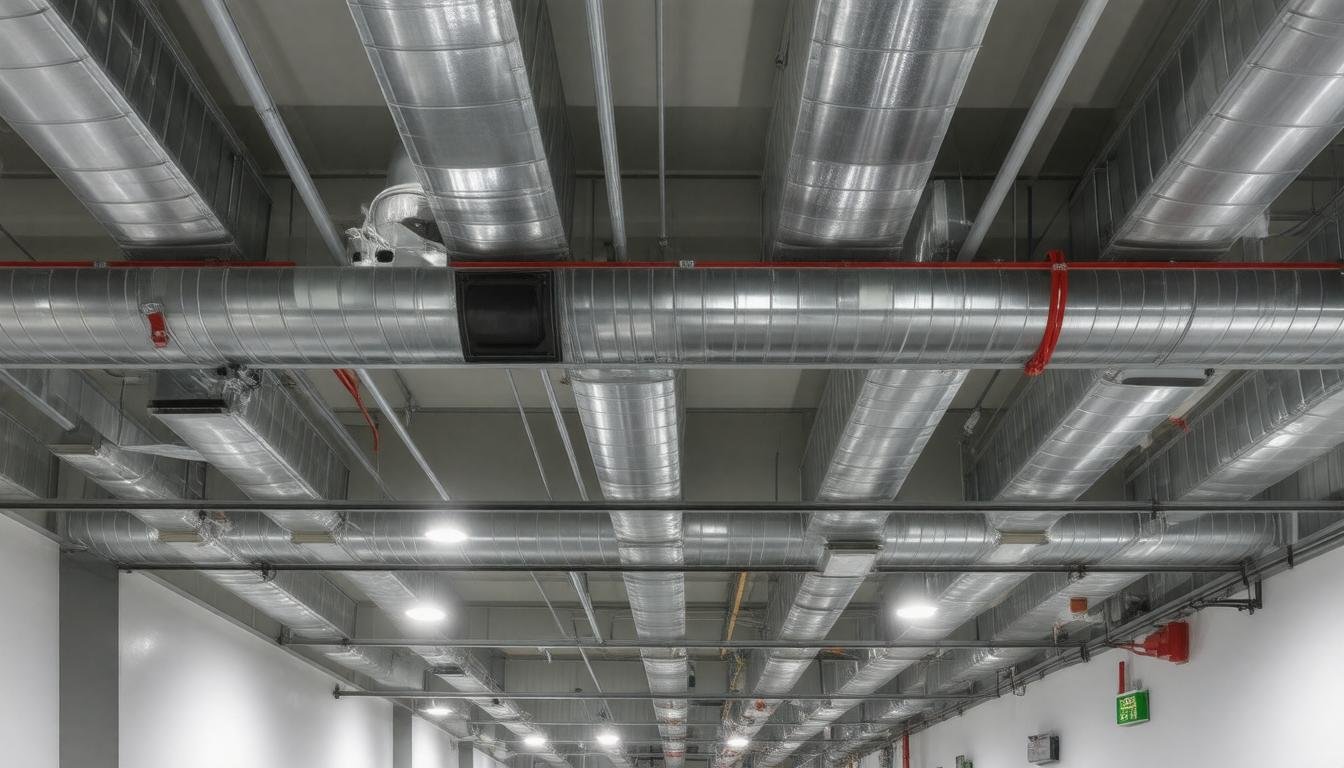
Smoke Ventilation System Design Guide: Best Practices for Building Code Compliance
Smoke ventilation systems might not be the first thing you think about when walking into a building, but they play
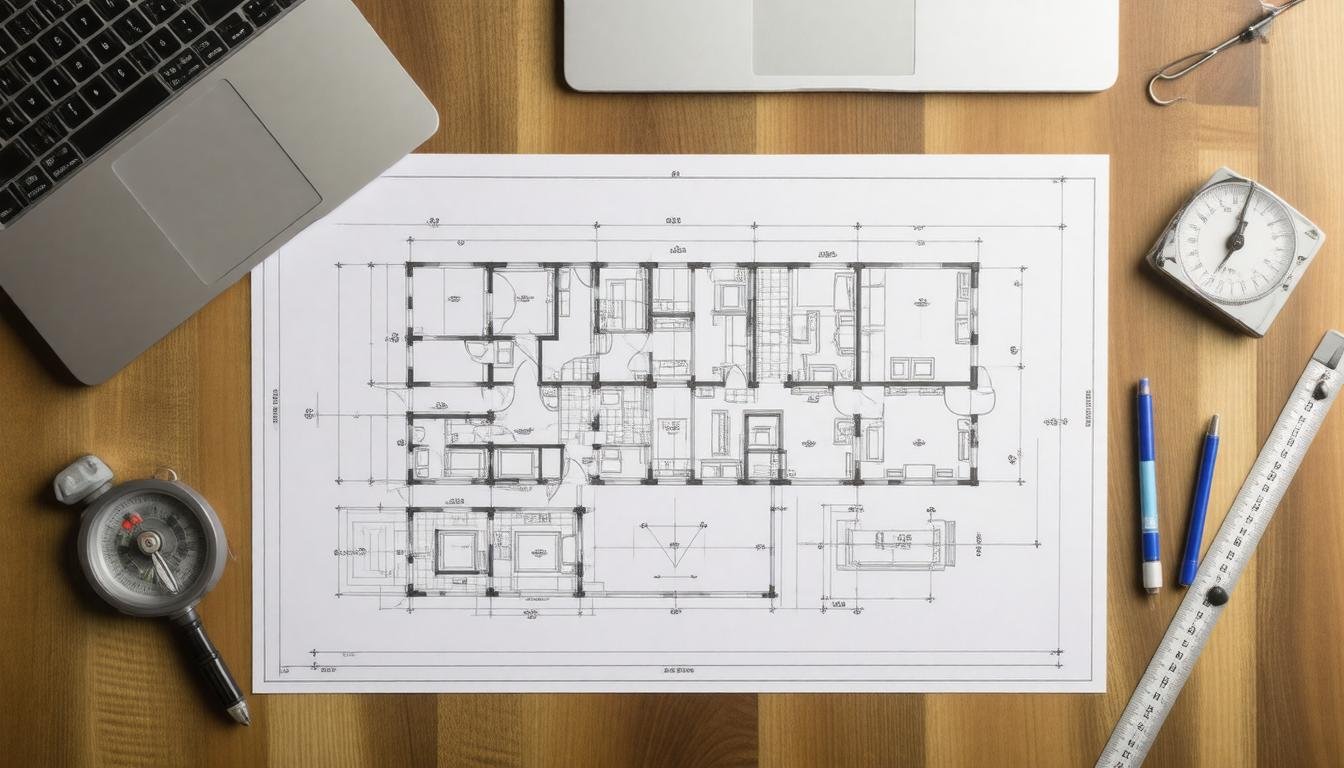
When it comes to keeping your home safe from fire, smoke can often be the biggest danger—more than heat or flames. That’s why residential smoke ventilation systems are becoming an essential part of modern home safety. These systems don’t just clear out smoke; they help you breathe easier and make escaping a fire safer and faster. In this article, we’ll break down how these systems work, the different types available, and practical tips for installing and maintaining them so you can protect your family with confidence.
Residential smoke ventilation systems are specialized fire safety solutions designed to control and extract smoke from homes during a fire, helping to improve visibility and reduce toxic gas inhalation for occupants. These systems are crucial in enhancing life safety by facilitating safe evacuation and aiding firefighting efforts, while complying with UK regulatory standards for residential buildings.
Natural ventilation systems rely on the simple principle of letting smoke find its way out through openings like windows, vents, or roof louvers. These systems often use devices such as Automatic Opening Vents (AOVs), which sense the presence of smoke and open without human intervention, allowing fresh air in and pushing smoke out. The beauty of natural ventilation lies in its simplicity—no complex mechanics, no reliance on electricity—making it a reliable option during a power outage.
However, the effectiveness depends heavily on how well the openings are positioned and sized within the building’s structure. You’ll often find these systems integrated into modern homes where large window areas or rooflight arrangements allow smooth airflow.
Conversely, mechanical ventilation systems bring technology into play by using fans and ducting to actively remove smoke from living spaces. This method is more controlled and can handle larger volumes of smoke much faster than natural counterparts. In enclosed or multi-level homes where airflow might be restricted, installing mechanical extracts can dramatically improve clearance times.
They work by pulling smoke through shafts or vents and expelling it outside, maintaining safer conditions inside. Yet this efficiency comes with a need for regular maintenance to ensure fans and sensors remain operational over time. Additionally, their dependency on power sources means backup solutions should be considered when selecting these systems.
According to the Fire Protection Research Foundation’s 2024 study, mechanical smoke ventilation systems can clear out smoke up to 80% faster than purely natural setups—a significant improvement when every second counts in an emergency.
Many homeowners choose a hybrid approach, blending natural ventilation elements like AOVs with mechanical components to balance reliability with performance. Selecting a system tailored to your home’s design, usage patterns, and local regulations will optimize fire safety.
With these options in mind, understanding the installation requirements and maintenance needs becomes crucial to ensuring your chosen system performs when it matters most.
Automatic smoke ventilation systems stand out because they operate independently of human action. These systems are equipped with smoke detectors that sense danger immediately and activate vents or fans without delay.
Imagine a fire starting in a room while everyone is asleep—an automatic system acts as an invisible guardian, springing into action when every second counts. For instance, Mercor Fire Protection UK’s mcr PROLIGHT system offers such seamless intervention by automatically opening roof vents at the first sign of smoke, efficiently clearing hazardous fumes and drastically improving escape conditions.
This hands-free response is vital in emergencies where panic or disorientation can slow reaction times. The reliability and speed of automatic activation make these systems especially well-suited for modern residential setups where safety cannot wait on human decision-making. They also reduce risks caused by forgetfulness, physical inability, or sheer confusion under stress.
While automatic systems handle immediate emergencies expertly, manual smoke ventilation options still have an important role in comprehensive fire safety strategies.
Manual systems require deliberate human involvement—such as opening a window, door, or triggering a vent via a control panel. In many homes, this might mean pressing an emergency button or simply following a practiced fire drill routine. Though this approach relies on occupant awareness and readiness, manual ventilation offers valuable backup in scenarios where automatic sensors fail or electrical power is compromised.
Consider manual systems as a second line of defense—a practical safeguard enhancing overall security by giving occupants direct control over smoke clearance if needed. This combination can also save costs where fully automated setups may be less practical due to building design constraints or budget considerations.
“The automatic systems from Mercor-UK gave me peace of mind, knowing they’ll kick in without needing us to remember anything,” shared a homeowner from Manchester who appreciated how technology lifted the burden during emergencies.
Often, the best smoke ventilation setups blend both worlds: automated vents that respond instantly to threats paired with manual overrides for added assurance. This layered safety approach ensures both swift reaction and user control without sacrificing convenience.
| Feature | Automatic Systems | Manual Systems |
|---|---|---|
| Activation Method | Smoke detectors trigger vents automatically | Human intervention required |
| Response Speed | Immediate | Dependent on occupant reaction |
| Reliability | Highly consistent in emergencies | May fail if unaware or panicked |
| Cost | Generally higher upfront investment | Typically lower initial cost |
| Maintenance | Requires regular testing of sensors and mechanisms | Minimal maintenance but relies on usability |
| Best For | Homes prioritizing optimal safety and compliance | Backup in mixed-use or budget-limited settings |
Selecting the right balance between automatic and manual options depends largely on your home’s design and daily routines. This thoughtful planning sets the stage for effective ventilation that meets both safety standards and practical needs.
Successful smoke control starts with smart design—an approach tailored specifically to the unique demands of your property’s layout and use. Ventilation systems are not “one size fits all.” Instead, they require careful planning to ensure smoke is efficiently directed away from occupied spaces, protecting both lives and property. This means considering how air flows naturally within your home and using that knowledge to position vents intelligently.
Before picking out vent locations or system types, it’s essential to survey your entire building thoroughly. This means not just looking at maps but physically walking through the space to understand room connections, ceiling heights, and potential smoke movement pathways during a fire incident. Factors like open-plan areas versus compartmentalised rooms dramatically influence how smoke spreads and where ventilation will be most effective.
Sometimes, subtle architectural details such as alcoves, stairways, or ducting routes transform how smoke behaves in an emergency.
Once you grasp the floor plan’s nuances, the next step focuses on pinpointing exactly where vents will do the most good. High-risk areas naturally take priority: kitchens with open flames, corridors that serve as escape routes, and large communal spaces where people gather frequently.
Positioning vents in these strategic spots ensures early evacuation paths remain clear of dense smoke. But remember, simply throwing vents wherever seems convenient won’t work—their placement must be backed by technical expertise and compliance with regulations to avoid costly mistakes.
Consulting specialists like Mercor Fire Protection UK can make all the difference here; their experience in both product knowledge and UK-specific fire codes helps craft layouts that meet both safety standards and practical needs.
Modern smoke ventilation must marry detection with activation seamlessly. In practice, this means linking smoke alarms directly to automatic vent controls so when smoke is detected, vents open instantly without human intervention.
This integration reduces response times significantly and ensures ventilation reacts precisely where needed before conditions become dangerous.
The challenge here is ensuring compatibility among different devices and maintaining system reliability over time—Mercor’s range of control panels and actuators offer tailored solutions designed to work cohesively within comprehensive fire safety setups.
Even the most carefully planned design needs stress-testing before final implementation. Smoke simulation testing uses advanced modelling software or physical trials to mimic potential fire scenarios, tracking smoke movement through your proposed layout.
This approach spotlights flaws that could compromise evacuation or ventilation efficiency—such as stagnant zones where smoke lingers or vent placements that fail under certain wind conditions.
By identifying these weaknesses early, adjustments can be made proactively instead of after installation when risks would already exist.
Designing an effective smoke ventilation layout requires blending deep understanding of building dynamics with expert technical advice, rigorous testing, and thoughtful integration—each step builds on the last to safeguard homes more reliably.
But smart design is just one piece of the puzzle; therefore, proper installation techniques ensure those plans deliver real-world safety and compliance. As we explore installation practices next, understanding how these elements come together in practice becomes crucial for dependable performance.
Proper installation of residential smoke ventilation systems isn’t just about putting parts together—it’s about guaranteeing that the system will respond accurately and reliably in an emergency. The difference between a correctly fitted system and a poorly installed one can be life-saving. This means every detail, from choosing qualified installers to validating component compatibility, must be managed carefully.
For homeowners seeking peace of mind alongside professional support, Mercor Fire Protection UK offers comprehensive expert installation services tailored to modern homes. With nearly 40 years of global expertise through its parent company and a strong presence in Manchester since 2020, Mercor provides not only products but trusted guidance to ensure compliant, effective smoke ventilation solutions right from the start.
Investing time in proper installation translates directly into reliable activation when your system is needed most—clearing smoke efficiently while protecting you and your loved ones from harm. It’s a foundation of home safety no one should overlook.
Reach out to Mercor Fire Protection UK via phone at 0161 359 8309 or email online.enquiries@mercor-fp.co.uk to discuss installations that meet the highest UK standards with efficiency and professional care.
Understanding how to install these systems is only part of ensuring home safety. Next, we consider how fire safety regulations shape the requirements and effectiveness of these vital installations.
Compliance with fire safety regulations isn’t simply a bureaucratic hurdle—it is the cornerstone of effective smoke ventilation systems in residential settings. For homeowners and installers alike, adhering to recognised standards safeguards lives and property by ensuring that smoke control systems function as intended during emergencies. Neglecting these regulations can lead not only to legal consequences but, more critically, to compromised safety when it matters most.
In the UK, the BS 7346 series forms the backbone of regulatory requirements for smoke ventilation systems. This standard provides detailed guidance on how to design, install, and maintain smoke control measures so they operate reliably under fire conditions. From specifying the right types of automatic opening vents (AOVs) to defining required free areas for smoke extraction, BS 7346 lays out technical criteria that are both stringent and achievable. Following this standard means your system will efficiently manage smoke movement, help maintain tenable escape routes, and assist firefighters onsite.
While some may feel overwhelmed by the intricate rules involved or see adherence as an unnecessary expense, the implications for skipping compliance are severe. Fines and insurance complications loom large for non-compliant installations, but beyond penalties lies a much graver concern: the risk of inadequate protection in case of fire.
Imagine a scenario where faulty ventilation allows toxic smoke to fill escape routes faster than occupants can exit—that’s exactly what compliance aims to prevent. By contrast, a properly designed and certified system mitigates such risks thoroughly.
Companies like Mercor Fire Protection UK Ltd stand out because they don’t just comply—they exceed these regulations. Their range of products, including advanced mechanical smoke ventilation systems and lobby dampers stocked locally in Manchester for quick delivery, fulfil all necessary British standards. Choosing equipment from trusted providers ensures you benefit from tested solutions with full certification—eliminating guesswork and putting your mind at ease.
Understanding these compliance essentials sets a solid foundation before moving forward into ongoing care practices that keep your smoke ventilation system performing at its best over time.
Regular upkeep is essential for reliability. Smoke ventilation systems are complex assemblies that rely on mechanical parts, sensors, and electrical components working seamlessly together. Even the best installation and top-tier products can’t guarantee ongoing performance without diligent maintenance.
Over time, dust, debris, and natural wear can affect sensor sensitivity or cause vents to stick, reducing overall system effectiveness. Ignoring routine care is like leaving your car without an oil change—eventually, something will break down.
To keep everything running smoothly, following a structured maintenance schedule makes all the difference. Weekly inspections offer quick checks to catch early warning signs before they escalate into costly repairs or dangerous failures.
Simple tasks such as ensuring smoke detectors remain free from dust buildup not only keep alarms responsive but also prevent false positives that disrupt households unnecessarily. Manually testing vent operation during these weekly rounds confirms that nothing is physically blocking their movement—an obstruction might seem minor but can render a system ineffective during an emergency.
For example:
Then comes the more detailed monthly inspection, which focuses on the mechanical and electrical health of the system.
Monthly checks should target components less visible in everyday use but crucial for long-term operation—like electrical contacts and moving parts prone to corrosion or wear.
Loose wiring can interrupt signals needed to trigger smoke extraction, while rusty hinges or stuck actuators can cause vents to jam at critical moments.
Applying lubrication to mechanical joints reduces friction and prevents seizing; this small preventive action extends product life significantly.
This level of maintenance isn’t just common sense—it’s backed by data. According to a report from the National Fire Protection Association (NFPA), about 30% of smoke ventilation system failures stem from inadequate or neglected maintenance routines.
This statistic underscores that paying close attention to your system’s upkeep isn’t an optional luxury—it’s an absolute necessity to protect lives and property.
Setting reminders or arranging professional service contracts can help homeowners stay on track with these schedules. Many suppliers—including UK-based Mercor Fire Protection UK Ltd—offer tailored maintenance plans alongside their innovative ventilation products, ensuring expert oversight.
With UK-wide stock availability and fast delivery of replacement parts like multi-blade smoke control dampers or roof louvres, maintaining peak performance is easier than ever.
A commitment to proactive maintenance elevates your smoke ventilation system beyond simple compliance; it becomes a reliable guardian ready to perform when it matters most. Next, we explore how to choose the best solution tailored specifically to your home’s needs.
When choosing a smoke ventilation system for residential use, it’s essential to start by assessing the size and layout of your home. Larger houses often need more sophisticated solutions, such as multiple Automatic Opening Vents (AOVs) strategically placed to ensure efficient smoke extraction throughout the property. On the other hand, smaller residences might only require a simpler system that balances effectiveness with ease of installation. This initial evaluation sets the foundation for an efficient and compliant system.
Another cornerstone in the decision-making process is your budget. It’s tempting to opt for a lower-cost system, but this can lead to compromises in performance or durability over time. Investing a bit more upfront often means better materials, advanced technology, and long-term reliability—all vital when it comes to preserving safety and peace of mind. Think of it as buying insurance for your home: quality matters, especially when lives could depend on it.
Equally important is ensuring that any smoke ventilation solution fully complies with relevant UK fire safety standards and building regulations. Compliance isn’t just about ticking boxes; it guarantees that your system has passed rigorous testing and meets defined performance thresholds. This safeguards your property not only from fire hazards but also helps avoid costly penalties or failed inspections when selling or insuring your home.
So how do you navigate these intertwined factors—size, cost, compliance—and arrive at a solution that truly fits?
The answer lies in expert consultation. Companies like Mercor Fire Protection UK provide tailored advice grounded in decades of experience working across diverse residential projects. Their specialists evaluate key details—from architectural plans to ventilation requirements—to recommend systems optimized specifically for your home’s design and occupants’ needs.
As one satisfied customer remarked: “The team at Mercor-UK really helped us pick the perfect system for our new home, guiding us through all the options with clarity and professionalism.” These personalized consultations turn what might seem overwhelming into an informed decision that offers lasting security.
If you’re considering a smoke ventilation upgrade or installation, don’t hesitate to reach out to Mercor Fire Protection UK for a free consultation. Their expertise ensures your home benefits from the most appropriate, high-quality fire safety solutions—delivered promptly from their UK stock with reliable support every step of the way. Contact them today by phone at 0161 359 8309 or email online.enquiries@mercor-fp.co.uk to begin securing your home’s future.
Choosing the right smoke ventilation system is a crucial step in safeguarding your family and property. With expert guidance and adherence to standards, you can enjoy peace of mind knowing your home is protected by trusted technology designed specifically for residential safety.
For detailed advice and tailored fire safety solutions, visit Mercor Fire Protection UK to download our brochure and request a quote today.
Residential smoke ventilation systems are highly effective in improving fire safety by rapidly expelling smoke and toxic gases, which significantly enhances visibility and air quality during a fire. Studies show that well-designed systems can reduce smoke concentration by up to 70%, giving occupants crucial extra minutes to escape and firefighters better conditions to control the blaze. In essence, they act like a breath of fresh air in a burning situation—literally saving lives by keeping the smoke at bay.
The key components of a residential smoke ventilation system include smoke vents (either natural or mechanical), sensors to detect smoke presence, and control mechanisms that activate the vents promptly. Together, these parts ensure rapid smoke evacuation, reducing indoor smoke concentration by up to 70%, which dramatically improves occupant safety during fires. Proper installation following standards like NFPA 92 ensures the system works seamlessly when seconds count.
Installing a residential smoke ventilation system typically costs between $1,500 and $5,000, depending on the size of the home and complexity of the system. Maintenance is relatively low, averaging around $100 to $300 annually for inspections and minor repairs. Given that smoke ventilation can reduce fire-related damages by up to 40%, investing in installation and upkeep pays off not just in safety but also in long-term property value preservation.
Residential smoke ventilation systems mainly come in three flavors: natural, mechanical, and hybrid. Natural systems rely on windows and vents to chase smoke out—simple but less effective in bigger homes. Mechanical systems use fans to eject smoke swiftly, boasting up to 90% efficiency in smoke clearance during tests, ideal for complex layouts. Hybrid combines both, offering the best of both worlds with smart controls; a 2023 survey found hybrid setups reduced smoke-related damage by 40%. Choosing the right type hinges on your home’s design and fire safety needs—think of it as picking the right tool for your fire-fighting toolbox!
Absolutely, building codes like the International Residential Code (IRC) and NFPA 92 explicitly govern residential smoke ventilation systems to ensure home safety; for example, IRC mandates specific smoke control measures in multi-family dwellings, which can reduce smoke inhalation deaths by up to 50%, proving that following these regulations is not just smart—it’s lifesaving!
Smoke ventilation systems might not be the first thing you think about when walking into a building, but they play
Automatic Opening Vents (AOVs) might not be on everyone’s radar until you realize just how important they are when things
UK mainland delivery
Stock on hand in our UK warehouse
Online and phone support
Safe online payment options