
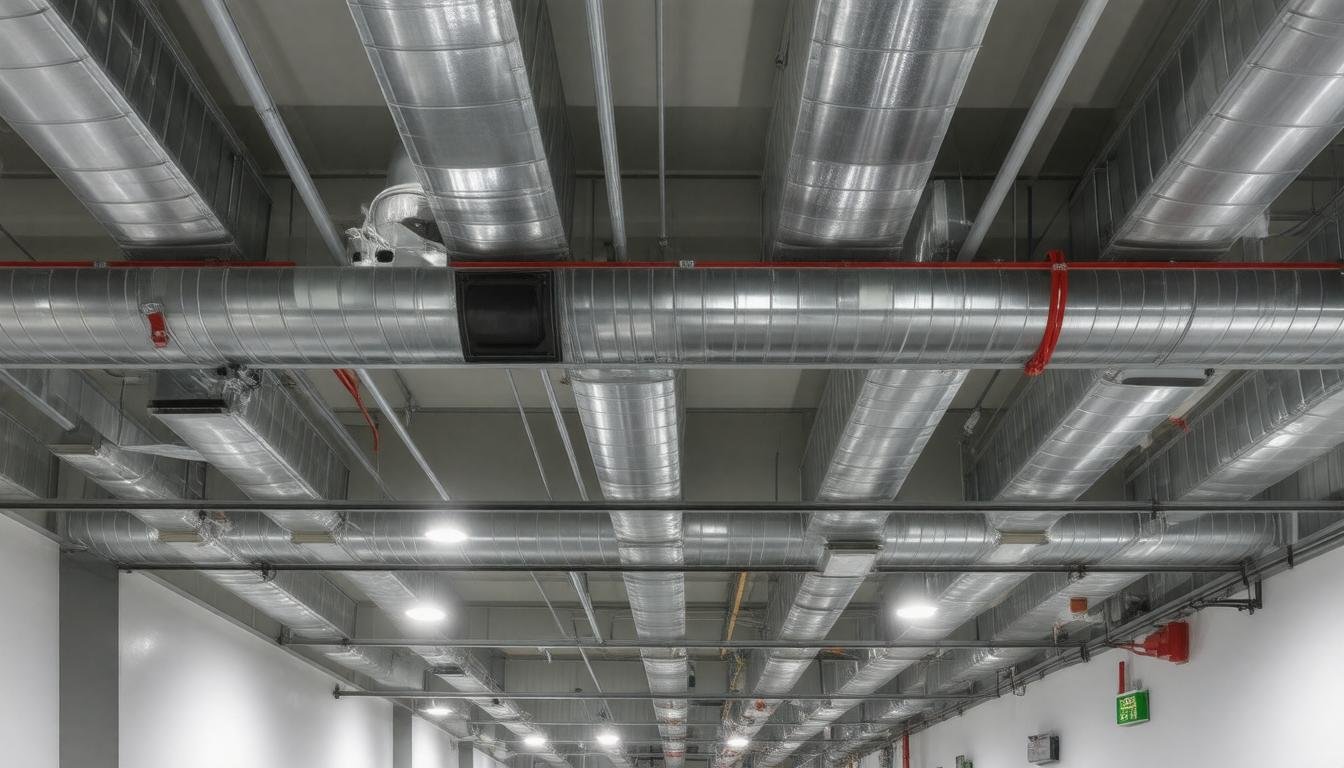
Smoke Ventilation System Design Guide: Best Practices for Building Code Compliance
Smoke ventilation systems might not be the first thing you think about when walking into a building, but they play
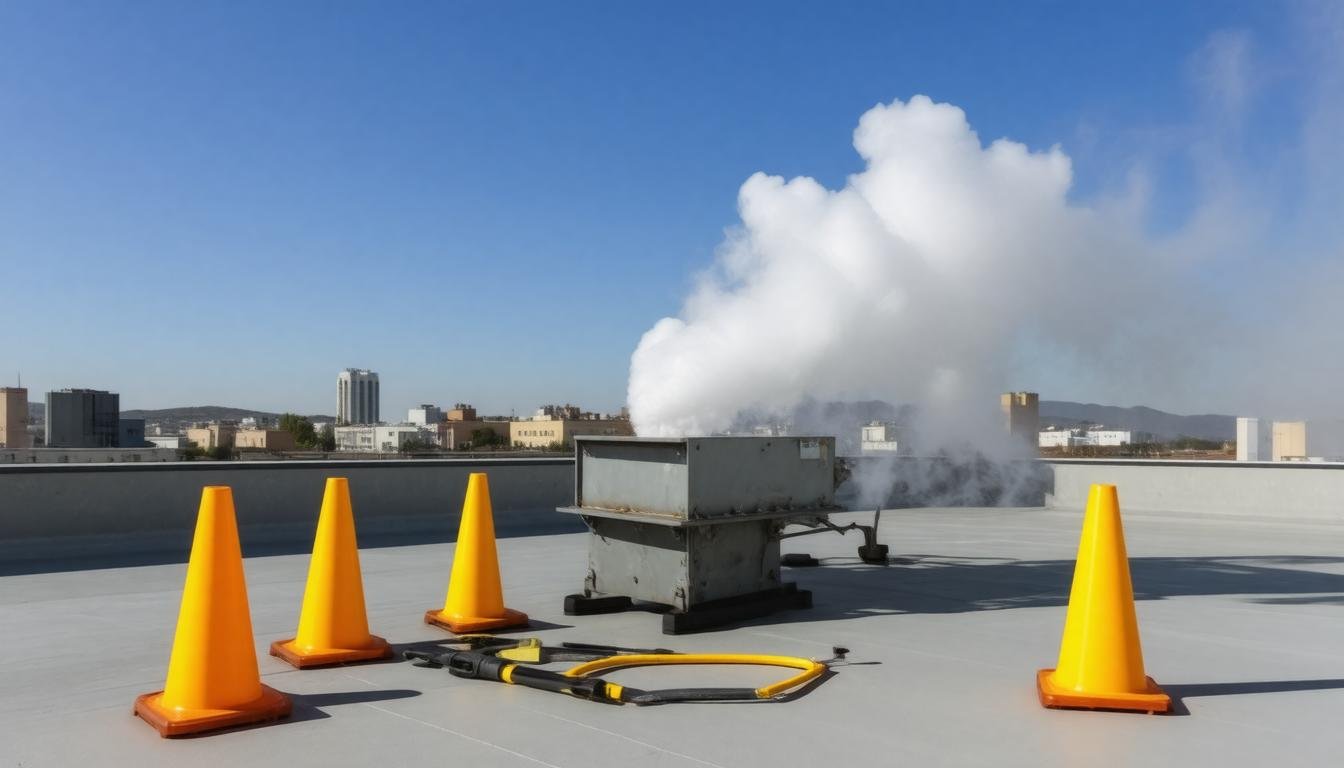
Smoke vents might not be the first thing on your mind when thinking about fire safety, but they play a quiet and crucial role in keeping buildings safe. These systems work behind the scenes to clear smoke quickly during a fire, helping people find their way out and firefighters tackle the blaze more effectively. Understanding how to maintain and test smoke vents properly isn’t just about avoiding fines or ticking boxes—it’s about making sure these lifesaving components actually work when it counts. This guide breaks down exactly what you need to know, from setting up testing schedules to spotting common problems, all in simple terms that anyone responsible for building safety can follow.
Smoke vent maintenance and testing involves regular inspection, cleaning, and functional checks of all system components, including actuators, sensors, control panels, and automatic opening vents, to ensure reliable operation during a fire. Compliance with standards such as EN12101 and BS7346-8 requires quarterly sensor calibration and verification that the system activates correctly within approximately 60 seconds of smoke detection, maintaining proper airflow and pressure differentials to keep escape routes clear.
To begin, setting a consistent testing schedule is essential. Quarterly tests are widely recommended, aligning naturally with seasonal changes. These shifts in temperature and humidity can affect ductwork and vent mechanisms, causing parts to expand, contract, or collect moisture—factors that might impair proper function if overlooked.
By spacing tests every three months, you catch potential problems early before they escalate into costly repairs or safety risks.
Think of it like servicing a car: regular checkups prevent unexpected breakdowns. The same principle applies here; routine inspection not only preserves operation but also extends the lifespan of your smoke ventilation system components.
Plus, sticking to a calendar provides clear checkpoints for maintenance teams and building managers alike, ensuring no test is missed.
After locking down when to test, the next critical step is choosing who will do the work.
Testing smoke vents isn’t merely a hands-on task—it demands expertise. Assign those with proper qualifications, experience with EN12101 and BS7346-8 compliance standards, and an understanding of your building’s specific system setup.
If internal expertise is lacking, hiring certified professionals like those available at Mercor UK ensures accuracy and thoroughness in your inspections.
These specialists come equipped not just with technical skills but also knowledge of legal compliance and industry best practices. Their assessments often catch subtle issues—such as sensor calibration drift or actuator sluggishness—that non-specialists might miss.
Moreover, using professional services reduces liability risks and supports your fire safety audit requirements.
Yet even expert testing is incomplete without careful documentation to keep everything transparent and trackable.
Detailed record-keeping transforms periodic tests from mere chores into a strategic asset. Every session should have clear logs noting dates, personnel involved, system conditions observed, and any corrective actions taken.
This evolving dataset forms the backbone of ongoing maintenance strategies and aids in identifying recurrent faults before they become emergencies.
Digital records are ideal—they enable quick retrieval and easier sharing with stakeholders such as fire inspectors or insurers. Over time, patterns will emerge showing which components might require more frequent attention or eventual replacement.
“Well-maintained smoke ventilation systems backed by solid documentation amplify building safety while demonstrating compliance.”
When you align a reliable testing schedule with qualified professionals and meticulous documentation, your smoke ventilation system is positioned for dependable operation. This foundation naturally leads into why keeping up with regular testing remains indispensable for overall safety and compliance.
Regular testing is not just a recommendation; it’s a lifeline. Smoke ventilation systems must function flawlessly during a fire emergency to rapidly clear smoke from escape routes, making them safer for occupants and firefighters alike.
These systems, like those offered by Mercor Fire Protection UK Ltd, rely on complex components—sensors, actuators, dampers, and vents—that can degrade or malfunction over time. Without consistent testing, hidden faults could go unnoticed until disaster strikes.
The impact of well-maintained systems is profound. Research shows that functional smoke vents can reduce fire-related fatalities by as much as 50%. This statistic represents more than just numbers—it reflects lives saved due to clear visibility, reduced toxic gas exposure, and expedited evacuation.
When a smoke ventilation system activates quickly and properly, it controls fire spread and allows emergency teams to navigate the building with greater ease.
Conversely, neglecting regular tests risks severe consequences. In one London commercial building, a faulty smoke vent delayed firefighter access, allowing flames and smoke to cause extensive damage that might have been mitigated through early intervention.
Such failures emphasize why quarterly calibration of sensors and thorough system inspections are essential parts of compliance with standards like EN12101 and BS7346-8.
Each scheduled test serves multiple purposes. It confirms that sensors detect smoke within required sensitivity parameters, verifies actuators respond promptly to fire alarms, and ensures mechanical components operate smoothly under expected conditions.
Testing also identifies physical wear or blockages in vents and ducts that could impede airflow during activation. Establishing a routine test schedule empowers building managers to identify weaknesses before they become catastrophic failures.
Moreover, comprehensive records from regular testing provide assurance during audits and insurance assessments. They demonstrate adherence to both legal regulations and best practices, reducing liability risks for property owners.
Maintaining this documentation can streamline communication with technical support teams at suppliers like Mercor UK, who offer expert guidance to troubleshoot issues revealed during testing.
Regular testing is as much about prevention as it is performance. It builds confidence that your smoke ventilation system will act decisively when needed—essential in every kind of building from offices to residential complexes.
Recognizing this vital role helps in prioritizing ongoing maintenance budgets and staff training focused on fire safety readiness.
For optimal outcomes, pair regular internal tests with professional inspections by certified providers experienced in smoke ventilation technology.
Mercor Fire Protection UK Ltd exemplifies this approach by delivering not only state-of-the-art equipment but also full technical support throughout the product lifecycle—from installation through ongoing maintenance.
With an established testing routine in place, attention naturally shifts toward the precise tools and devices that ensure these tests are effective and efficient. Understanding these essentials sets the stage for maintaining peak safety levels across all smoke ventilation systems.
When it comes to maintaining smoke ventilation systems, having the right equipment is non-negotiable. Without proper tools, testing becomes a shot in the dark—ineffective at best and dangerous at worst. For professionals who work with these systems, especially in demanding environments like those serviced by Mercor Fire Protection UK Ltd, the precision of your inspection tools can be the difference between safety and risk.
Pressure gauges are vital for assessing how effectively your smoke vents are managing airflows. These devices measure the pressure within the vent system, confirming whether it maintains the required differential—typically around 50 to 100 Pascals—that prevents harmful smoke from infiltrating escape paths.
Using inaccurate or outdated pressure measurement can lead to misjudging system performance, potentially leaving your building exposed during an emergency.
A quality pressure gauge gives immediate feedback on airflow integrity. It must be sensitive enough to detect even small variations but robust enough to endure site conditions. At Mercor UK, we emphasise using calibrated gauges suited to both natural and mechanical smoke ventilation systems; ensuring standards compliance such as EN12101 is consistently met.
To truly test a smoke ventilation system’s functionality, simply checking airflow pressures isn’t enough—you need to simulate fire-driven smoke conditions. This is where smoke emitters come into play.
They release controlled amounts of artificial smoke into a space, allowing technicians to observe how well the vents activate and channel smoke out of critical escape routes.
Mercor UK’s range of industrial-grade smoke emitters offers this capability while maintaining environmental safety and consistency. Unlike common theatrical fog machines, these devices produce particulate matter closely resembling real smoke, delivering realistic test scenarios without lingering contamination. This ensures that tests not only validate hardware function but also simulate actual emergency conditions firefighters and occupants might face.
Finally, actuator testers are indispensable for verifying the operational readiness of automatic opening vents (AOVs). These testers check whether actuators—the components responsible for physically opening vents when triggered—respond accurately and fully within expected timeframes.
A faulty actuator could mean delayed vent opening or failure to open entirely, jeopardizing safe evacuation.
Using an actuator tester means applying electrical signals or simulated control commands and measuring responses precisely. This allows maintenance teams to identify subtle malfunctions before they become critical failures.
Given Mercor UK’s commitment to swift deliveries and ongoing technical support, customers are encouraged to actively incorporate actuator testing into their routine maintenance schedules to achieve maximum reliability.
Together, these tools form a comprehensive suite required not only for routine checks but also full system commissioning or post-repair validations. Investing in quality instruments—and knowing how to use them correctly—is an essential part of any fire safety regime aiming for excellence.
Mastery of these essential tools sets the stage for conducting detailed inspections that ensure every component performs flawlessly under emergency conditions. Next, we will explore how these inspections are carried out systematically to maintain peak smoke ventilation efficiency.
Thorough inspections form the backbone of ensuring your smoke ventilation system will perform exactly as needed when a fire strikes. You want to catch any problems early—before they escalate into safety hazards or costly repairs. The process begins with a careful visual inspection, which serves as your first line of defense against wear and tear.
During this visual check, pay attention to telltale signs such as rust—that slow eater of metal durability—or physical damage like dents or warped parts that could impede vent operation. Dust, debris, or even bird nests might block vents from opening fully, so look closely to ensure pathways are clear. Remember, even a small obstruction can drastically reduce smoke extraction efficiency and jeopardize escape routes.
Once you’ve confirmed the vents look sound externally, it’s time to move your inspection beyond appearances.
Mechanical tests involve manually activating the vents using control panels or manual overrides to verify smooth operation. This means watching the vents open fully and then close without sticking or hesitation. It’s here that you might uncover hidden issues like malfunctioning actuators or misaligned linkage arms. Each second’s delay in vent activation during an actual emergency can have serious consequences. Testing also lets you check sensors’ responsiveness by simulating smoke detection where applicable.
These steps should feel methodical but purposeful; rushing through risks missing subtle faults that only reveal themselves during testing. Think of it as a dress rehearsal for your smoke ventilation system’s moment under pressure.
In practical terms, regular inspections—visual and mechanical—should be scheduled quarterly at a minimum. Beyond maintaining compliance with standards such as EN12101 and BS7346-8, consistent inspections reduce long-term maintenance costs and reinforce building safety culture.
At Mercor Fire Protection UK Ltd, we underscore the importance of these inspections as part of comprehensive safety management. Our range of products such as Automatic Opening Vents (AOVs) comes with technical support to guide clients through proper testing protocols, ensuring every vent operates flawlessly when needed most. If faults are found during inspection, prompt repair or replacement is crucial; delaying puts lives and property at risk.
Successfully blending routine inspections with proper maintenance helps keep your smoke ventilation system functioning reliably during emergencies — safeguarding both people and property. With these fundamentals in place, attention naturally shifts toward effective upkeep strategies that prolong system life while maintaining performance.
Regular cleaning and maintenance are essential to keep smoke vents fully functional. Over time, vents can gather dust, dirt, leaves, or even bird nests, especially if located near open air or rooftop areas. Neglecting this buildup can severely reduce the vent’s ability to expel smoke efficiently during a fire. Start by carefully removing any visible debris using a soft brush—this is crucial to prevent blockages that choke airflow and compromise safety.
While clearing debris from the exterior is relatively straightforward, attention must also be paid to the internal mechanisms of the vents. Moving parts like hinges, latches, and actuators operate constantly under varying weather conditions and temperatures. Without proper lubrication, corrosion can set in, making these vital components stiff or even inoperable. Using manufacturer-approved lubricants ensures the parts stay rust-free and glide smoothly, which is especially important in damp environments where moisture accelerates wear.
Once you’ve tackled cleaning and lubrication, it’s equally important to address the condition of seals around each vent.
Seals often act as critical barriers that prevent smoke from escaping into protected stairwells or escape routes through unwanted gaps. Over months and years, these seals may dry out, crack, or shrink due to temperature fluctuations and exposure to elements. This degradation diminishes ventilation efficiency and poses a direct safety risk by allowing toxic smoke to infiltrate escape paths. Regularly inspecting seals and replacing any that show signs of wear maintains airtight integrity—ensuring your smoke ventilation system complies with standards like EN12101 and BS7346-8.
For optimal performance, schedule these cleaning steps quarterly alongside sensor calibration checks. Keeping a maintenance log helps track replacements or repairs and guarantees compliance with safety regulations.
Proper care extends beyond only keeping your equipment operational—it directly protects lives by ensuring clear escape routes remain smoke-free during emergencies.
- Soft brush for removing surface dust/dirt
- Manufacturer-approved lubricant for moving parts
- Visual inspection tools (flashlight/mirror) for seals
- Replacement seal kits matching vent specifications
Remember that some smoke vent components are delicate electrical systems connected to alarms and control panels; always shut down power sources before maintenance work begins and follow safety protocols. When in doubt, consulting Mercor Fire Protection UK Ltd experts is a smart choice—they offer full technical support to guide you through maintenance procedures while ensuring your system adheres to current legal standards.
By maintaining vigilance over both mechanical parts and seals, your smoke ventilation system remains a reliable shield when it matters most—ready to protect occupants and property alike.
Following proper upkeep naturally leads us to understand how to identify common problems early and address necessary repairs efficiently.
One of the persistent challenges that can compromise a smoke ventilation system’s effectiveness is rust and corrosion. Given that many components are metal, exposure to moisture and varying temperatures often leads to oxidization. When rust forms on crucial moving parts, especially the actuators or vent hinges, it can seize these mechanisms entirely. This means the vents may fail to open when needed, putting building occupants at risk during a fire event.
The key here is proactive care—regular inspections should include checking for any signs of rust buildup or discoloration. Applying anti-rust treatments periodically not only prevents deterioration but also extends the lifespan of these components significantly. Remember, prevention is far easier (and cheaper) than replacement after a failure.
Another frequent point of failure lies within the actuators themselves—the devices responsible for physically opening and closing the ventilation apertures. Electrical wear and tear, wiring faults, or mechanical breakdowns can render an actuator ineffective without obvious external signs until an emergency occurs.
It’s essential to schedule regular functional tests as part of your maintenance routine, ensuring each actuator responds promptly when triggered by smoke detection systems. If an actuator shows sluggishness or fails altogether, immediate replacement is recommended rather than risking partial system failure.
For example, a building manager in Manchester shared how after implementing quarterly actuator inspections through Mercor Fire Protection UK’s service team, their smoke ventilation system’s reliability improved dramatically. Not only did this enhance safety confidence among tenants, but it also reduced unexpected downtime, saving on emergency call-outs and costly repairs.
Beyond these two common issues, other problems might arise such as sensor malfunction or control panel glitches. These are often detected during standard testing protocols. What sets rusting parts and faulty actuators apart is their direct impact on the mechanical response action fundamental to smoke extraction.
To keep your ventilation system in peak condition, rely on trusted suppliers like Mercor Fire Protection UK Ltd who provide genuine replacement actuators, anti-corrosion products, and technical support tailored for UK building compliance standards such as EN12101 and BS7346-8.
Taking these simple but effective steps keeps your smoke vents operational — a true lifesaver when every second counts during a fire emergency.
With these mechanical vulnerabilities in mind, it becomes clear how routine testing plays a crucial role in identifying issues early and maintaining overall system integrity before critical failures occur.
Smoke ventilation systems are crucial life-saving installations, but their true effectiveness hinges on strict adherence to established safety and compliance standards. In the UK and across Europe, regulations such as EN12101, which covers smoke and heat control systems, and BS7346-8, dealing with system installation and maintenance, form the backbone of legal and practical expectations for these systems. These standards ensure that every component—from sensors to actuators and dampers—is designed, installed, and maintained to operate correctly during an emergency.
Compliance goes beyond ticking boxes; it means your system can reliably extract smoke, maintain breathable air in escape routes, and reduce hazards for occupants and firefighters alike. It addresses technical criteria like response times, durability under extreme heat (ductwork often must withstand 600°C for at least 30 minutes), and coordinated operation between vents and alarms. Without this rigorous framework, smoke vents risk malfunctioning when needed most—something no building owner or manager can afford.
When your smoke ventilation system meets these standards, you benefit not only from enhanced safety but also reduced liability exposure. Building insurers recognise compliant systems as lower risk, potentially lowering premiums or smoothing claim processes after an incident. Regulatory inspections require evidence of compliance and proper maintenance records; failure here can result in fines or closure orders. For businesses, compliance reassures employees and visitors that their wellbeing is taken seriously.
One essential maintenance practice rooted in these standards is quarterly sensor calibration. Smoke detectors fitted to ventilation systems must be meticulously checked to ensure sensitivity hasn’t drifted—a common issue over time that could delay activation or cause false positives. Mercor Fire Protection UK Ltd offers expert calibration services tailored specifically to these regulatory demands. By entrusting this task to seasoned professionals, you guarantee consistent performance aligned with EN12101 mandates.
Regular testing isn’t simply about individual components; entire system function needs periodic validation. This includes confirming actuator movements, control panel responses, electrical connections, and vent openings operate seamlessly together within prescribed timeframes—often activation must complete within roughly 60 seconds of smoke detection.
Achieving such precision requires well-documented routines carried out by trained technicians using calibrated equipment. These checks don’t just satisfy compliance but substantially reduce long-term maintenance costs by identifying wear before failures become catastrophic.
“A smoke ventilation system is only as good as its weakest component—and rigorous safety standards help ensure there are none,” says Martin Stevens, technical lead at Mercor UK.
Taking these steps seriously positions your smoke vent system to deliver its full protective potential—preserving lives, property, and peace of mind when every second counts.
Ensuring your smoke ventilation system meets all safety standards through regular maintenance and expert testing is not just a legal obligation—it’s a critical investment in protection. To secure reliable performance and peace of mind, request a quote today at https://mercor-uk.co.uk/request-a-quote/.
To ensure smoke vents function properly, regularly perform visual inspections for damage or obstruction, conduct operational tests to verify automatic opening mechanisms, and measure airflow to confirm unimpeded smoke evacuation. Studies show that buildings with quarterly-tested smoke vents reduce fire-related smoke spread incidents by up to 40%, underscoring the importance of routine maintenance and compliance with safety codes.
Common issues during smoke vent inspections include mechanical failures like stuck actuators, blocked or misaligned vents, and sensor malfunctions—problems that can reduce system efficacy by up to 40%. Resolving these starts with routine cleaning, lubrication of moving parts, and calibration of sensors to ensure responsiveness. Regular testing protocols combined with prompt repairs minimize downtime and keep compliance rates high; after all, a smoke vent that’s “just hanging out” isn’t doing its job!
Absolutely! Smoke vent maintenance and testing are tightly regulated under standards like NFPA 204 and local building codes, which ensure vents function perfectly in a fire emergency. Compliance isn’t just bureaucratic hoop-jumping—studies show that proper maintenance can improve smoke clearance efficiency by up to 40%, drastically reducing smoke inhalation risks and property damage. So yes, those dusty manuals aren’t just for show—they’re lifesaving blueprints!
For effective smoke vent maintenance and testing, essential tools include a reliable smoke density meter, an anemometer for airflow measurement, thermal imaging cameras to detect heat irregularities, and sturdy ladders or lifts for safe access. Additionally, pressure gauges and control panels are crucial for verifying operational functions. Proper use of these tools ensures compliance with safety standards—studies show that buildings with regularly maintained smoke vents reduce fire damage risk by up to 40%, making these investments not just necessary but life-saving.
Smoke vent maintenance and testing in commercial buildings should generally be performed at least twice a year to ensure optimal safety and compliance, with some regulations recommending quarterly checks. Regular inspections prevent system failures, which studies show can reduce fire-related damages by up to 30%. After all, a well-vented smoke situation beats an unexpected smoky surprise any day!
Smoke ventilation systems might not be the first thing you think about when walking into a building, but they play

When it comes to keeping your home safe from fire, smoke can often be the biggest danger—more than heat or
UK mainland delivery
Stock on hand in our UK warehouse
Online and phone support
Safe online payment options