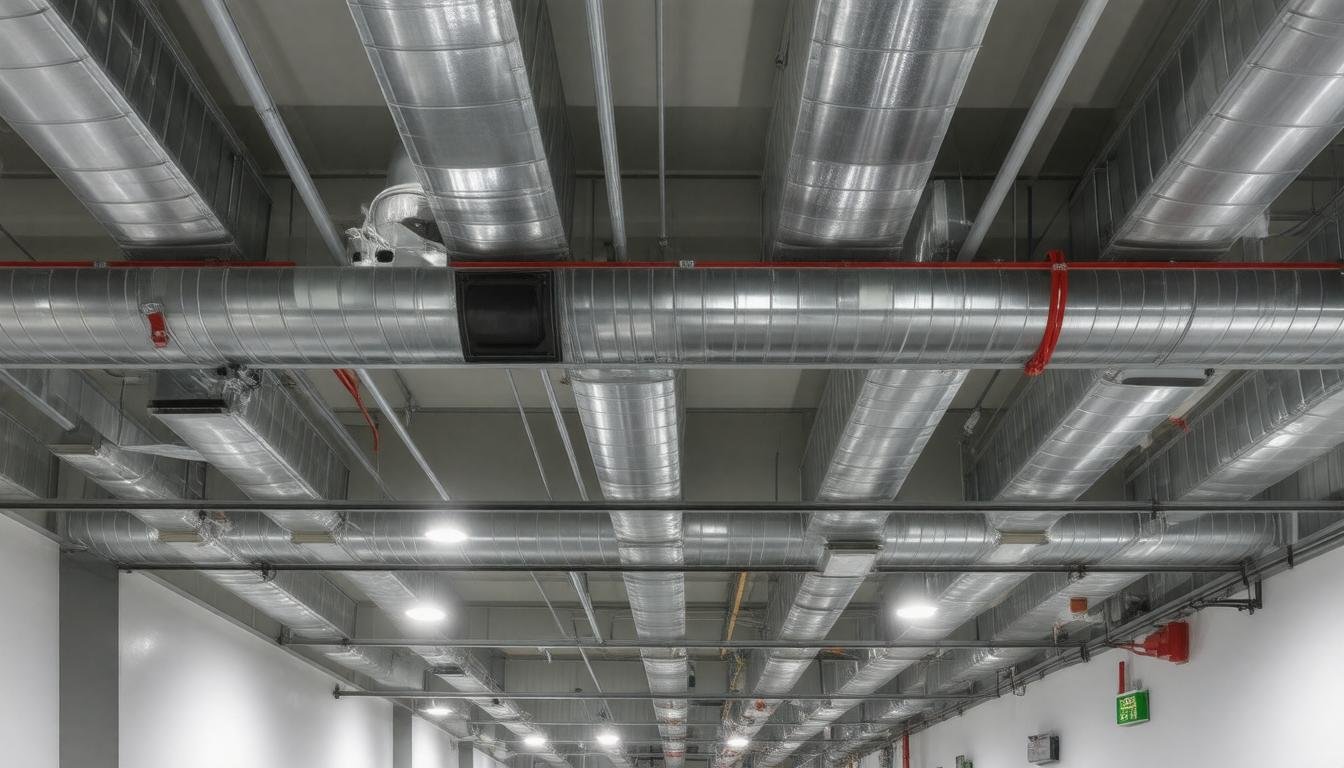
Smoke Ventilation System Design Guide: Best Practices for Building Code Compliance
Smoke ventilation systems might not be the first thing you think about when walking into a building, but they play

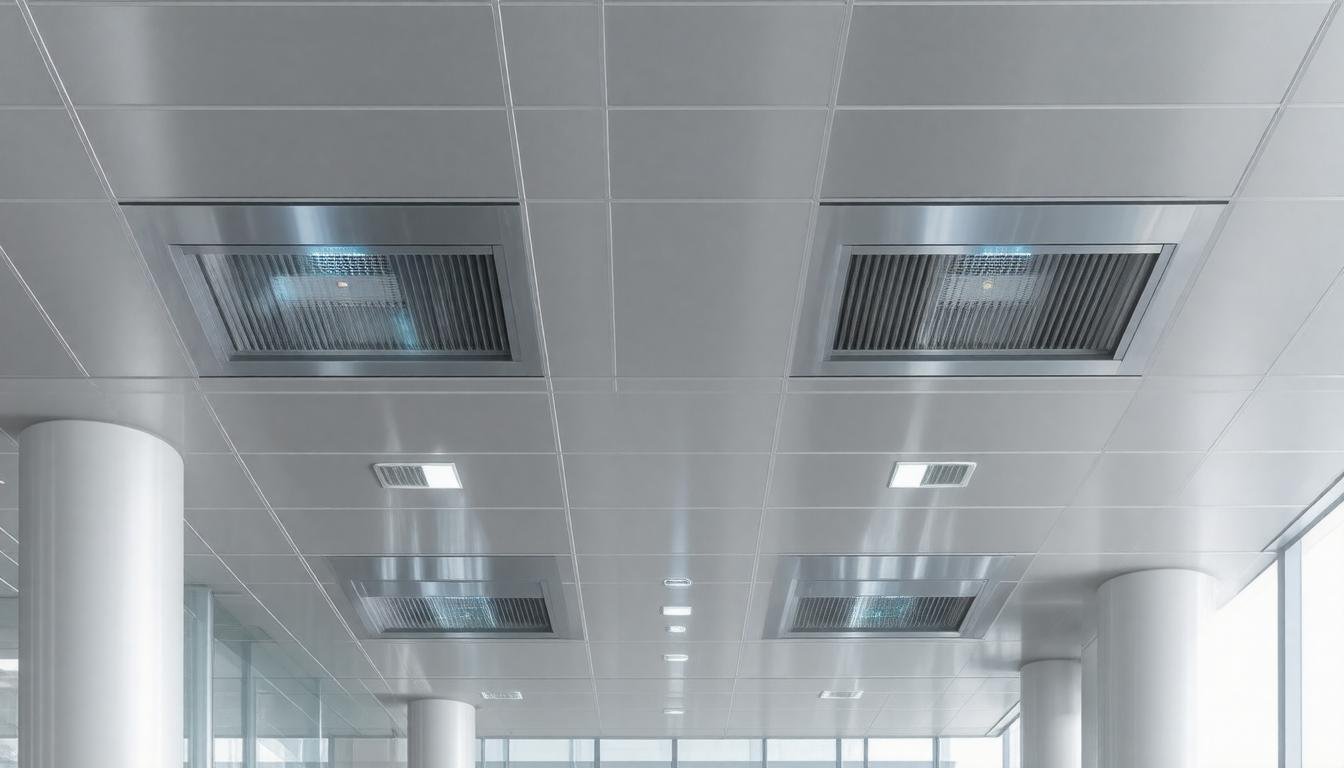
When fire breaks out, smoke is often the biggest enemy—not the flames themselves. That’s where smoke ventilators step in: these smart devices clear toxic smoke and heat fast, making it safer and easier to escape or fight a fire. Getting their installation right matters a lot, not just for passing inspections but for protecting lives. Drawing on years of experience in fire safety, this article breaks down what smoke ventilators do, how they work, and why following precise UK rules keeps buildings—and people—safer when it counts most.
Smoke ventilators are specialised systems designed to automatically release smoke and heat from buildings during a fire, helping to reduce the spread of fire and improve visibility for safe evacuation. Properly installed in accordance with UK Building Regulations and standards such as BS EN 1366-2, these devices enhance occupant protection by facilitating efficient smoke removal while preventing oxygen from feeding the fire when used correctly.
Smoke ventilators are engineered devices designed to automatically open during a fire, releasing smoke, heat, and hazardous gases from a building. This action is crucial because it helps maintain clearer air and better visibility, allowing occupants to evacuate more safely and swiftly. The importance of these ventilators extends beyond just occupant safety; by venting out hot gases and smoke, they also help reduce overall fire damage to property.
These systems form a key part of passive fire protection strategies mandated by building regulations in the UK and many other countries. The ventilation must comply with standards such as BS EN 1366-2 and be installed in accessible locations like rooftops or high walls—typically at least 2.5 metres above floor level—to facilitate effective smoke extraction.
Activation can occur mechanically or through automatic detection systems linked to smoke or heat sensors, ensuring that vents open within moments—often under 30 seconds—after detecting fire-related conditions. Some combine manual controls with automatic ones, giving building managers direct intervention ability when needed.
As we explore the variations, it’s important to recognise three common types:
The choice between these options depends heavily on the building type, size, occupant load, and specific hazard risks. For example, industrial facilities with large roof areas might benefit from mechanical vents capable of moving over 10 cubic metres of air per second per square metre of opening, significantly faster than natural vents.
Installation height and placement are also factors directly impacting effectiveness. Proper siting at roof levels or near ceiling voids ensures smoke rises naturally towards these exits. Additionally, materials used in constructing these ventilators are typically fire-resistant alloys like aluminium combined with intumescent seals rated for extreme temperatures up to 600°C, guaranteeing functionality even under intense heat.
From experience advising architects and contractors via Mercor UK’s expert sales team, careful consideration at the design stage is vital. Selecting ventilators fully compliant with relevant British and international codes ensures smooth regulatory approval later. Regular biannual maintenance checks keep these systems operational when emergencies arise—a critical safeguard often overlooked until it’s too late.
While smoke ventilators undeniably enhance life safety by clearing hazardous atmospheres during fires, it’s worth acknowledging ongoing debates among fire professionals about their exact role alongside active firefighting tactics. Nevertheless, compliance with Building Regulations and integration into a comprehensive fire strategy remains standard best practise across the UK industry.
Understanding these foundational elements opens the door to examining the precise regulatory frameworks and installation guidelines essential for optimising fire safety performance in buildings.
Installing smoke ventilators isn’t just ticking a box on a safety checklist — it fundamentally enhances the way a building behaves during a fire emergency. One of the foremost advantages is improved evacuation and reduced casualties.
Consider that smoke inhalation accounts for over half of all fire-related fatalities, according to data from the National Fire Protection Association (NFPA). Smoke ventilators actively clear out thick, toxic smoke and heat from fire-affected areas, which dramatically improves visibility.
This clearer environment helps occupants find exits faster and allows emergency responders to navigate safely and efficiently. By reducing exposure to hazardous gases like carbon monoxide by roughly 35%, these systems save lives not just through prevention but also through facilitating swift escape and rescue operations.
Beyond protecting people, smoke ventilators play an essential role in minimising property damage during a fire.
Heat and smoke are notorious for their destructive power—high temperatures can cause structural elements to weaken or collapse, while lingering smoke causes staining, corrosion, and extensive clean-up costs long after the flames are gone.
By venting these damaging elements quickly and effectively, smoke ventilators help contain the blaze to its origin point. This containment reduces the volume of heat and smoke spreading through corridors, ceilings, and walls, allowing firefighters to focus on extinguishing the fire rather than battling escalating hazards.
Studies show that buildings equipped with properly functioning smoke vents suffer up to 15% less structural damage compared to those without such systems. That difference translates into significant savings—not just financial but in terms of downtime and restoration efforts.
Naturally, these tangible safety advantages often come hand-in-hand with regulatory and financial incentives for property owners.
Compliance with relevant building codes—such as BS EN 1366-2 in the UK—and adherence to standards like the International Building Code (IBC) ensure that installations meet rigorous safety benchmarks.
This compliance doesn’t only improve safety; it can substantially affect insurance terms. Many insurers view properties with certified smoke ventilation systems more favourably due to their lowered risk profile.
For commercial property managers overseeing large portfolios, this often results in premium reductions averaging around 15%. These savings accumulate year after year and can offset initial installation investments remarkably quickly.
“Incorporating high-quality smoke ventilators into our facilities not only fulfilled compliance obligations but provided peace of mind knowing occupant safety was enhanced while reducing insurance premiums,” shares a facilities manager responsible for multiple commercial complexes.
At Mercor UK, we understand these nuanced benefits deeply. Our expert team assists architects, engineers, and contractors in selecting compliant smoke vent solutions customised for every project’s unique needs—whether it’s roof-top vents engineered to meet BABAA standards or complex stage platform venting systems adhering to AIS certification.
The goal is always the same: integrating technology that aids firefighting efforts by releasing dangerous heat and gases efficiently while meeting or exceeding regulatory expectations.
With this foundation of how smoke ventilators enhance safety and regulatory compliance, it’s important next to explore various ventilation systems available and how they each contribute uniquely to fire protection strategies.
Smoke ventilation systems come in a variety of designs, each tailored to handle smoke and heat removal in particular environments. At the broadest level, these fall into two categories: natural and mechanical ventilation.
Natural ventilation works by taking advantage of the natural buoyancy of hot smoke, which rises and escapes through strategically placed vents or openings like windows and roof vents. This system commonly uses automatically opening vents triggered by heat or smoke detectors, allowing for a passive, energy-efficient way to clear smoke—ideal for spaces like low-rise buildings, atriums, and stairwells where airflow can move freely.
On the other hand, mechanical ventilation employs powered fans to pull smoke out and push fresh air in. This active airflow control offers precise management of smoke movement and is vital in complex, large-scale environments such as high-rise buildings, underground parking garages, or shopping centres where natural airflow alone wouldn’t suffice.
Mechanical systems integrate closely with fire alarm panels for immediate activation during emergencies, providing swift smoke extraction even when natural pathways are limited or obstructed.
But beyond just ‘natural’ versus ‘mechanical,’ there are several key system types that fire safety professionals rely on to enhance building protection.
Automatic Opening Vents (AOVs) represent one of the most widely implemented solutions. These are typically installed in escape routes like stairwells, lobbies, and corridors to automatically open during a fire event. Their role is crucial because they create a safe pathway by removing smoke from escape routes to prevent occupants from becoming disoriented or overwhelmed by toxic fumes.
Equally important are roof-mounted smoke vents, particularly common in large single-story structures such as warehouses or industrial buildings. These vents spring open automatically under fire conditions, releasing trapped heat and dangerous gases upwards and outdoors. By doing so, they help reduce temperatures inside while preventing the spread of flames to other parts of the property.
Another sophisticated approach involves smoke curtain systems—fire-resistant barriers that descend from ceilings to channel or contain smoke within specific zones. Rather than venting smoke directly outside, curtains guide it toward planned extraction points. This containment strategy improves visibility for evacuation and reduces damage by controlling where smoke travels inside expansive spaces like malls or airports.
| System Type | Operation | Common Application | Activation Method |
|---|---|---|---|
| Natural Ventilation | Uses thermal buoyancy & wind | Low-rise buildings, atriums | Automatic via detectors |
| Mechanical Ventilation | Powered fans extract smoke | High-rises, underground car parks | Fire alarm integration |
| Automatic Opening Vents | Vents open on fire detection | Stairwells, corridors | Smoke/heat detectors |
| Roof-Mounted Smoke Vents | Automatic venting of heat & smoke | Warehouses, large single-story | Heat sensors & alarms |
| Smoke Curtain Systems | Deploy physical barriers to direct smoke | Large open spaces (malls/airports) | Automatic drop on alarm |
When selecting a system, it’s crucial to work with experts who understand the building’s layout and risk profile—this ensures that whichever ventilation type is chosen will function optimally when seconds count.
For architects and contractors navigating these options, support from experienced suppliers like Mercor UK can make all the difference by guiding compliance with UK Building Regulations and relevant standards such as BS EN 1366-2.
Selecting the appropriate ventilation system is only part of the journey—ensuring its correct installation and adherence to best practises is what ultimately safeguards occupants and property when fire strikes.
Proper installation of smoke ventilators is not just a technical step—it’s the backbone of effective fire safety. Before any device is mounted, thorough pre-installation planning must occur. This involves examining the building’s layout carefully to identify potential spots where smoke could gather during a fire. Consulting with architects, fire safety professionals, and referencing local building codes are crucial in this phase.
Each structure has unique characteristics—hallways, open atriums, or complex roof shapes—that influence where vents should be positioned for optimal smoke extraction. Neglecting this stage can lead to improperly placed vents that compromise occupant safety rather than enhance it.
After outlining a precise plan based on your building’s specific needs, the next critical milestone is selecting the correct equipment.
Choosing the right smoke ventilator goes beyond picking a popular brand or model; it requires matching device capabilities with your building’s size, use, and risk factors. Ventilators must meet rigorous regulatory standards—including BS EN 1366-2 in the UK and other applicable certifications—to ensure reliability under pressure.
Consider factors such as opening speed—the unit should activate within 60 seconds of detecting fire—and vent size, which often needs to be at least one-twentieth of the floor area it serves for effective smoke clearance. Furthermore, materials like galvanised steel or aluminium offer durability against corrosion and weather effects, which extends operational life while reducing maintenance concerns.
At Mercor UK, we pride ourselves on guiding building owners and contractors through this selection process with expert advice tailored precisely to each project’s unique conditions.
Once the right equipment is selected, meticulous attention must shift to how it is installed and integrated within the building’s systems.
Installation follows detailed manufacturer instructions but also demands compliance with local regulations and best practises. For rooftop vent units, placement should strike a balance—elevated enough to escape water pooling and debris buildup but positioned for unobstructed airflow. A clearance of at least 300 millimetres around vents ensures smoke isn’t trapped or blocked during activation.
Furthermore, connexion to the building’s fire alarm system is non-negotiable; this linkage guarantees automatic opening during emergencies without human intervention.
Maintenance access also deserves thoughtful planning—installing vents with adequate space (generally 600 millimetres) around them allows for routine inspections and testing required quarterly under NFPA 92 guidelines.
The power supply must include redundant sources such as battery backups capable of operating at least 90 minutes if mains electricity fails mid-event.
Lastly, keeping ductwork shorter than 15 metres optimises smoke extraction efficiency.
Every layer of these installation practises reinforces an overall system designed not only to comply with codes but truly protect lives by evacuating dangerous gases swiftly. Inadequate installation risks poor performance or even exacerbating a fire situation by inadvertently feeding oxygen or failing to activate properly when needed.
Paying close attention to these components—from early planning through final testing—transforms smoke ventilators from static fixtures into dynamic safeguards embedded within your fire safety strategy.
With installation intricacies established, understanding how these measures align with official safety requirements provides deeper insight into building resilience against fire hazards.
Navigating fire safety regulations is less about ticking boxes and more about actively protecting lives and property. In the UK, standards such as the BS EN 12101 series establish rigorous requirements for smoke ventilation systems. These regulations specify not just when smoke ventilators must be installed but also their design, performance, and testing criteria to ensure they perform effectively during an emergency. Buildings like hospitals, schools, shopping centres, and high-rise residential complexes are all tightly regulated because evacuations in these places demand swift and clear air pathways.
Compliance isn’t merely a formality; it’s embedded deeply into building safety culture. Yet applying these regulations in real-world settings often means adapting to the unique complexities of each structure. Older buildings, for example, might not have been designed with modern smoke control in mind. This raises challenges involving spatial constraints or integration with other essential safety systems like sprinklers and alarms. Regular maintenance and scheduled inspections mandated by regulation ensure that these systems remain reliable over time, avoiding hidden faults that could jeopardise evacuation efforts.
One common hurdle comes with retrofitting existing buildings. The process can expose conflicts between current architectural features and strict ventilation system mandates, requiring creative engineering solutions without compromising structural integrity. Additionally, coordinating inspections across multiple systems becomes vital to maintain comprehensive protection—poor maintenance can nullify even the best initial installations.
Beyond fulfilling legislative obligations, compliance pays dividends in creating safer environments where occupants can evacuate confidently if danger strikes. Insurance providers often recognise this commitment too, leading to potential reductions in premiums due to mitigated risk profiles. Moreover, companies like Mercor UK, specialising in fire safety solutions across the UK, offer expert guidance to streamline adherence to evolving standards efficiently—taking much of the complexity off building owners’ plates.
Approaching regulatory compliance proactively means engaging with professionals early on who understand both technical specifications and practical challenges unique to your building type. They help tailor smoke ventilation solutions that meet code requirements while fitting seamlessly within broader fire safety strategies. When budgets allow, leveraging available funding options can also ease the financial burden of upgrades without sacrificing quality or effectiveness.
“Fire safety compliance is where technology meets responsibility—it’s about foresight, precision, and ensuring every second counts during emergencies.”
Regulations transform smoke ventilator systems from mere hardware into trusted guardians of life and property—a mission every building owner and manager should embrace wholeheartedly.
As regulatory frameworks shape installation practises, emerging technologies are poised to redefine how smoke ventilation systems perform—increasing efficiency and reliability under challenging conditions.
Technology has reshaped how smoke ventilation systems function, making them smarter, more efficient, and better integrated into overall building safety strategies. Today’s advances represent a fundamental shift in capability. Modern smoke ventilators no longer work in isolation—they are interconnected devices that create safer environments through real-time data and automation.
One of the most transformative innovations is the emergence of smart ventilation systems. These systems harness the power of the Internet of Things (IoT) to continuously monitor air quality, temperature, and smoke presence within a building. Sensors embedded throughout the ventilation network feed data to centralised control units that analyse conditions instantly. This means if smoke begins to accumulate or if airflow is partially obstructed, the system can react immediately—opening vents, activating exhaust fans, and coordinating with fire alarms and sprinkler systems seamlessly. Automating these responses reduces human error and response time during critical situations.
Beyond real-time detection, many smart systems incorporate self-diagnostic features as well. This allows them to perform routine health checks and alert maintenance teams if potential issues are detected—before any failure occurs. Imagine a ventilator that warns you weeks ahead that a philtre needs replacement or that humidity levels pose a risk for mould growth affecting performance. These proactive capabilities help avoid costly downtime and ensure smoke evacuators function optimally at all times.
While automation enhances safety, there is an equally important drive toward sustainability—a factor increasingly prioritised in modern construction and renovation projects.
This brings us to the rise of eco-friendly smoke ventilation solutions. Traditional ventilation often demands continuous electrical power, sometimes sourced from carbon-intensive grids. Today’s innovators have designed systems that reduce environmental impact without compromising performance or safety compliance. A striking example is solar-powered exhaust fans, which use photovoltaic panels to convert sunlight into electricity. These fans reduce operational costs and shrink the building’s carbon footprint.
In addition to solar power, material science advances contribute significantly too. Manufacturers now produce ventilators using recycled or sustainably sourced materials, along with designs focused on maximising airflow efficiency while minimising noise pollution. Such refinements make it easier for building owners to meet both fire safety regulations and green building standards like BREEAM or LEED.
“Smart and sustainable—these twin pillars define the future of smoke ventilation,” says industry experts at Mercor UK, specialists in advanced fire safety solutions.
| Innovation | Benefits | Practical Application |
|---|---|---|
| IoT-Enabled Smart Vents | Real-time monitoring; automated response | Early fire detection; coordination with alarms |
| Self-Diagnostic Systems | Preventive alerts for maintenance | Reduced downtime; prolonged equipment life |
| Solar-Powered Fans | Lower energy consumption; environmental gain | Off-grid installations; reduced utility costs |
| Sustainable Materials | Reduced resource waste; improved durability | Eco-conscious construction projects |
For facility managers or architects considering upgrades or new installations, evaluating smart smoke ventilation technologies alongside traditional options delivers enhanced safety, operational savings, and environmental responsibility—benefits increasingly demanded by regulators and occupiers alike.
These advancements not only meet growing regulatory demands but also raise the bar for protecting lives with smarter, greener technology. Next, understanding how these systems perform and comply with safety standards is critical to making informed decisions about their implementation.

Ensuring your smoke ventilators perform effectively during a fire is about more than just installing the right product. They must be regularly assessed and tested to confirm they will operate precisely as intended when every second counts.
This starts by strictly following established testing protocols such as those in EN 61508. These guidelines are designed not only for functional safety in ideal conditions but also to simulate real-world fire scenarios so you can uncover vulnerabilities before an emergency arises.
Testing goes beyond flipping a switch; it involves full-system fire drills that check sensor activation times, vent opening mechanisms, and coordinated operation with alarms and sprinklers.
By doing this, building managers and fire safety teams get a clear picture of how the system reacts under pressure, which aligns with standards requiring a ventilator to activate within 60 seconds of fire detection—a crucial benchmark for life safety.
While testing is vital, keeping smoke ventilators clean, unblocked, and in good repair ensures their responsiveness doesn’t degrade over time.
Following a meticulous maintenance routine is central to sustaining ventilator reliability. Debris buildup or mechanical wear can severely impair performance, so regular inspections and cleaning safeguard against unexpected failures.
At Mercor UK, we advocate a frequency tailored to component type and environmental factors:
| Component | Maintenance Frequency |
|---|---|
| Roof Vents | Annually |
| AOVs (Automatic Opening Vents) | Bi-annually |
| Curtain Systems | Quarterly |
These intervals aren’t arbitrary—they reflect observed wear patterns and regulatory recommendations aimed at maintaining compliance.
For example, roof vents exposed to weather face risks of corrosion or blockages from leaves that could jam their opening during emergencies, while indoor curtain systems require more frequent checks due to their role in compartmentalising smoke flow swiftly.
Complementing these routines are comprehensive audits designed to holistically verify safety compliance and system integrity over time.
Buildings undergoing periodic safety audits exhibit significantly better outcomes—30% higher compliance rates and improved operational efficiency according to recent studies published in the Fire Safety Journal.
Audits assess not only device functionality but also integration within building-wide fire strategies, staff training on emergency procedures, and documentation accuracy.
One safety officer from a large industrial facility shared:
“Regular audits and maintenance keep our smoke ventilation systems reliable, ensuring the safety of hundreds of workers.”
This perspective highlights an often-overlooked truth: Smoke ventilators are part of a larger ecosystem of fire protection where coordination and preparedness can mean the difference between containment and catastrophe.
When combined—robust testing, scheduled maintenance, and diligent audits—these measures create a dependable smoke ventilation system capable of meeting stringent UK regulations such as those outlined in BS EN 1366-2 while offering peace of mind that your building occupants are protected.
Ultimately, assessing ventilator performance isn’t a one-time task but an ongoing commitment blending technical rigour with practical diligence—a commitment that Mercor UK proudly supports through expert advice, tailored solutions, and comprehensive service options geared towards safer buildings nationwide.
Investing in thorough installation, regular maintenance, and rigorous testing ensures your smoke ventilation system delivers critical protection when it matters most. To safeguard your building with trusted expertise and solutions, request a quote today.
Smoke ventilators typically activate through heat or smoke detectors that trigger the system, automatically opening vents to release smoke and hot gases, enhancing visibility and reducing toxic exposure; studies show that effective smoke ventilation can increase safe evacuation time by up to 50%, making these smartly wired tech heroes vital in turning chaos into calm.
Smoke ventilators are the unsung heroes of fire safety, designed to whisk away toxic smoke and heat during a blaze, dramatically improving visibility for evacuation and aiding firefighters in tackling flames. Studies show that effective smoke ventilation can reduce building fire fatalities by up to 30%, proving that these vents don’t just clear the air—they clear the path to survival.
Smoke ventilator installation is governed primarily by national fire safety codes like NFPA 92 in the US and EN 12101 in Europe, which mandate placement, operation, and maintenance to ensure effective smoke control during fires. These regulations require that smoke vents activate automatically within seconds of heat detection and provide sufficient airflow to reduce smoke inhalation risk—critical since over 60% of fire fatalities are due to smoke rather than flames. Non-compliance can lead to ineffective smoke removal, increasing occupant danger, so adherence isn’t just bureaucratic box-ticking but a lifesaving necessity wrapped in regulatory red tape!
Smoke ventilators should be inspected and maintained at least twice a year to ensure optimal performance—ideally before and after the fire-prone seasons. Studies show that regular maintenance can reduce smoke ventilation failure rates by up to 40%, which in a fire emergency can mean the difference between safe evacuation and smoke inhalation hazards. Think of it as giving your vents their well-deserved spa day, so they don’t decide to “take a smoke break” when you need them most!
Smoke ventilators come in three main flavours for both commercial and residential buildings: natural, mechanical, and hybrid systems. Natural smoke ventilators use strategically placed vents or windows to let smoke escape, relying on wind and thermal buoyancy—ideal for smaller or less complex spaces. Mechanical ventilators employ powered fans and ducts for rapid smoke extraction, crucial in high-rise or densely populated commercial buildings where speed saves lives; studies show mechanical systems can clear smoke up to 60% faster than natural ones. Hybrids cleverly combine both approaches to optimise efficiency and energy use. Choosing the right type hinges on building size, occupancy, and local fire codes, but all play starring roles in keeping us safe and breathing easy.
Smoke ventilation systems might not be the first thing you think about when walking into a building, but they play
When it comes to keeping your home safe from fire, smoke can often be the biggest danger—more than heat or