
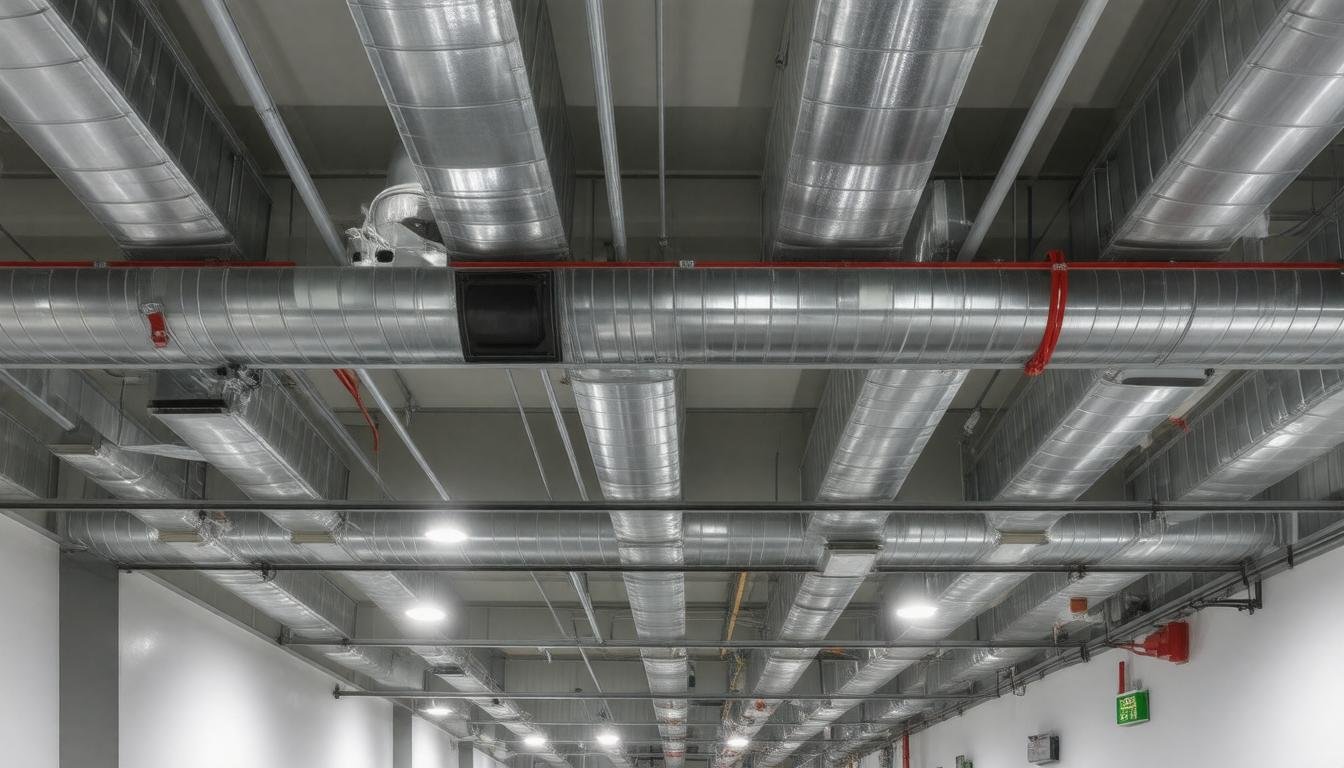
Smoke Ventilation System Design Guide: Best Practices for Building Code Compliance
Smoke ventilation systems might not be the first thing you think about when walking into a building, but they play

Many people don’t realise how something as simple as a lobby damper can make a big difference in the air we breathe and how much energy a building uses. These small devices quietly work behind the scenes, adjusting airflow to keep spaces comfortable without wasting power. Understanding their benefits helps building managers create healthier environments while saving money—a win for everyone inside.
Lobby dampers in commercial buildings provide precise control over airflow, enhancing ventilation, indoor air quality, and occupant comfort by balancing temperature and reducing humidity. Additionally, they contribute to energy efficiency by optimising HVAC system performance and improving fire safety by restricting smoke movement during fire events.
One of the most compelling benefits of lobby dampers lies in their ability to finely tune airflow within a building’s HVAC system. By controlling how much air moves between zones, these dampers prevent chilly drafts or overheating that often plague large commercial spaces.
This control is not static; it adapts dynamically to changes in occupancy or weather conditions, ensuring that temperature and air quality remain stable throughout the day. When the number of people fluctuates or external temperatures shift suddenly, lobby dampers respond instantly, redirecting airflow to maintain a consistent, pleasant atmosphere.
Consider how typical commercial buildings suffer from uneven temperature distribution—some rooms feel stuffy while others are uncomfortably cold. Lobby dampers act like gatekeepers inside the ductwork, regulating air volume precisely to each zone, so no area is over or under-served.
This precision reduces occupant discomfort and complaints significantly. Moreover, maintaining balanced humidity levels is equally important because overly dry or humid environments can impact both comfort and health. Dampers help manage this by modulating fresh air intake alongside internal recirculation.
Besides boosting occupant comfort, there is an important ripple effect: enhanced efficiency of the entire HVAC system. By preventing over-conditioning—that is, heating or cooling more space than necessary—lobby dampers reduce wasted energy.
This means your ventilation system isn’t constantly running at full blast just to compensate for airflow imbalances. Instead, it operates smarter and lighter, targeting exact needs. Such optimisation translates directly into cost savings on utility bills—a win for both building managers and tenants.
According to industry reports, commercial buildings equipped with automated lobby damper systems experience up to a 15% reduction in HVAC energy consumption.
In practical terms, that can mean thousands of pounds saved annually in energy costs for larger office complexes. Additionally, improved air exchange rates facilitated by dampers lower carbon dioxide buildup by 20-30%, contributing not only to comfort but also sharper cognitive function among occupants.
Effective comfort control through lobby dampers goes beyond temperature management too. These devices help minimise noise generated by turbulent airflow—something often overlooked but critical in workspaces requiring concentration.
Well-regulated airflow reduces pressure fluctuations and creates quieter ventilation operation.
For facility managers considering upgrades or new installations, investing in advanced lobby damper technology with features like self-regulating blades and remote operation integration pays dividends.
Coupling these with comprehensive building management systems enables real-time adjustments based on sensor data for ultimate efficiency and comfort control.
Appreciating how these systems function lays the foundation for understanding the technical details involved in selecting and installing the right components to maximise performance seamlessly.
Lobby dampers are engineered to control airflow precisely within a building’s ventilation system. Designed as an assembly of movable blades housed in a sturdy frame, these dampers adjust the volume and direction of air passing through ductwork. Modern models, like the mcr WIP LD series from Mercor UK, are crafted for straightforward integration into existing HVAC setups. This means they don’t just act as static components but serve as dynamic regulators that respond in real time to building needs.
The true power of these dampers lies in their compatibility with building management systems (BMS). Instead of manually adjusting airflow per room or zone, facility managers have the ability to remotely control damper positions using digital commands. This facilitates immediate responses to varying occupancy levels, weather conditions, or air quality challenges without sending maintenance personnel into duct shafts or mechanical rooms. Such flexibility ultimately leads to better environmental control and reduces operational costs by minimising wasted energy.
Installation speed is another practical advantage. Mercor UK’s lobby dampers come with detailed guides that make fitting them into commercial ductwork relatively effortless. With experienced installers able to complete mounting, duct connexions, and control wiring within just a few hours, downtime is minimal—an important consideration for busy workplaces that cannot afford long disruptions.
For example, a Manchester property manager recently highlighted how installation went smoothly without interrupting daily business activities, thanks to Mercor’s efficient planning and logistics.
Designers and engineers appreciate that these dampers typically fit within standard duct sizes ranging from 12 to 48 inches diameter and can be positioned strategically between 7 to 10 feet above floor level. This placement optimises airflow mixing and maintains pressure balance throughout the system.
Additionally, their galvanised steel or aluminium construction ensures durability under commercial operating conditions while meeting fire safety certifications if required.
| Feature | Details |
|---|---|
| Blade Angle Range | 0° (fully closed) to 90° (fully open) |
| Size Range | 12” to 48” Diameter |
| Control Signals | Integrated via 0-10V or 4-20mA for BMS control |
| Installation Time | Typically 2–4 hours per unit |
| Pressure Drop at 1000 CFM | Approximately 0.1–0.3 inches water column |
| Materials Used | Galvanised steel or aluminium |
Beyond physical installation, ongoing operational efficiency depends heavily on proper commissioning and calibration of these dampers within the building’s automation platform. By aligning damper blade positions with real-time sensor feedback — such as temperature, humidity, or smoke detection — ventilation systems maintain optimal air quality while conserving energy.
As buildings adopt smarter systems for ventilation control, understanding this synergy between technology and physical components becomes vital. The pathway is set for further exploration into how such innovations contribute directly to lowering energy consumption and operational costs without sacrificing performance.
One of the most compelling reasons commercial buildings invest in lobby dampers is the significant energy savings they enable. By precisely regulating airflow, these dampers prevent unnecessary heating or cooling losses, which translates directly into lowering utility bills.
In practise, automated control of air movement according to demand means HVAC systems work less strenuously, consuming less power while maintaining comfort. This fine-tuned balancing act can cut energy consumption by up to 30%, a figure that quickly adds up over months and years.
The accompanying data illustrates this in clear terms: office buildings have reported savings around a quarter of their energy costs, while retail spaces and hospitality sectors have seen even more dramatic reductions approaching a third or more.
This isn’t just about a drop in expenses; it’s about smarter resource use—using only what’s truly needed rather than heating or cooling a space excessively.
| Building Type | Energy Savings (%) | Annual Cost Savings (£) |
|---|---|---|
| Office Building | 25 | £10,000 |
| Retail Space | 30 | £15,000 |
| Hospitality Sector | 35 | £20,000 |
These figures highlight that beyond initial installation costs, lobby dampers rapidly pay for themselves through energy efficiency. This is especially pertinent today as energy prices fluctuate unpredictably, putting pressure on building managers to control operating expenses.
Seeing substantial annual savings like those above offers a straightforward business case for adopting such technologies.
Beyond costs, the reduction in energy use naturally leads us to consider the broader environmental implications of incorporating lobby dampers.
Every kilowatt-hour saved corresponds to less fuel burned at power plants—often still reliant on fossil fuels—resulting in lower greenhouse gas emissions. When a building operates efficiently with lobby dampers modulating air flows intelligently, its carbon footprint shrinks noticeably.
This aligns perfectly with increasingly stringent building codes and certifications aiming at sustainability and carbon neutrality goals.
Mercor UK understands these demands intimately. Their range of dampers is engineered not just for performance but also compliance with prominent green building standards like BREEAM and LEED. Choosing products designed within these frameworks ensures buildings can achieve necessary certifications while reaping the financial benefits discussed earlier.
In addition, smart damper systems from Mercor often integrate with building management systems, enabling real-time monitoring and adjustment of airflow based on occupancy patterns or outdoor air quality. This continuous optimisation not only maintains comfort but maximises the energy saved throughout daily cycles and seasonal changes.
From this perspective, lobby dampers are far more than simple mechanical devices. They serve as key components in a building’s strategy to meet ecological responsibilities while controlling operational costs—a win-win situation every modern commercial facility manager should appreciate.
For businesses looking to reduce expenses without sacrificing indoor air quality or occupant comfort, investing in high-quality lobby dampers represents an effective step forward. Consulting specialists like those at Mercor UK can ensure tailored solutions that fit unique building requirements and future-proof operations against evolving environmental regulations.
As we deepen our understanding of ventilation technologies that promote efficiency, it’s essential to explore how these systems directly affect the quality of the air occupants breathe indoors.
Good indoor air quality (IAQ) is absolutely essential for the health and comfort of everyone inside commercial buildings. But achieving this quality isn’t straightforward—large spaces with fluctuating occupancy can make it tricky to maintain fresh, clean air consistently. This is where motorised lobby dampers shine by allowing precise control over the airflow in different zones, ensuring that each area receives just the right amount of fresh air without wasting energy.
With these dampers integrated into a building’s HVAC system, air circulation becomes smarter and more responsive. For instance, when a conference room fills up, the dampers can automatically increase ventilation there to handle the higher demand for fresh air. Conversely, they reduce airflow in unoccupied areas to avoid stale or recirculated air that could harbour contaminants like dust, pollen, or airborne viruses. This dynamic adjustment directly impacts occupant health by minimising exposure to pollutants—something particularly important in post-pandemic building management.
The World Health Organisation highlights that keeping indoor air adequately clean can reduce respiratory problems by up to 40%. This statistic alone underscores why many facility managers are turning to motorised lobby dampers alongside filtration systems to actively improve IAQ.
Beyond pollutant control, another critical aspect is moisture balance. When motorised dampers work hand-in-hand with humidity controls, they help prevent conditions favourable for mould growth and allergen proliferation—two common culprits behind respiratory discomfort and long-term health issues. This thoughtful coordination ensures air isn’t just clean but also comfortable.
One Mercor UK client managing a multi-story corporate office saw remarkable changes after upgrading their ventilation system with FAMCO lobby dampers. Employees reported fewer sick days and less fatigue during work hours—a testament to how better IAQ boosts overall workplace well-being and productivity. Those kinds of outcomes translate not only into a healthier workforce but also clear economic benefits by reducing absenteeism.
For businesses aiming to optimise indoor environments, it’s wise to partner with trusted fire protection and HVAC system specialists like Mercor UK. Ensuring your lobby dampers are sized correctly (typically ranging from 4 inches to 22 inches) and fully integrated with your existing smart controls will deliver consistent IAQ improvements tailored to your building’s unique needs.
Fine-tuning air quality through motorised dampers is an investment that enhances both occupant health and operational efficiency. This focus on comfort and sustainability naturally leads us to consider another important aspect of indoor environments: managing sound levels effectively.
HVAC systems are more than just engines of airflow; they are often unwelcome contributors to a building’s ambient noise. The rushing sound of high-velocity air moving through ducts and vents can easily become a persistent source of distraction and discomfort for occupants. Lobby dampers, such as those expertly engineered by Mercor UK, offer a sophisticated solution by controlling and modulating this airflow to reduce these intrusive sounds.
When air moves too quickly or turbulently through ventilation pathways, it generates noise—broadly described as white noise or unsettling whooshing sounds—that permeates the workspace or commercial area. Lobby dampers act like a volume control on this air movement. By adjusting the airflow, they smooth out turbulent bursts and pulses that create excessive noise. This adjustment not only delivers quieter air distribution but also maintains proper ventilation rates critical for indoor air quality.
Beyond mere noise reduction, these dampers enhance occupant comfort by creating a calmer acoustic environment. This benefit is crucial in settings like office buildings, hospitals, or hotels where concentration, conversation privacy, or restful atmospheres are needed. Imagine working in an open-plan office where the constant drone from ventilation systems fades into the background instead of dominating your auditory space; lobby dampers make that possible.
For instance, a renowned commercial space management company integrated Mercor UK’s noise-optimised lobby dampers into their HVAC systems across multiple properties. Their results were remarkable: after installation, reports of noise-related complaints dropped by roughly 50%. Employees and visitors alike enjoyed quieter spaces, which translated into improved satisfaction and productivity.
Effective use of lobby dampers involves precise selection and installation tailored to the specific acoustics and airflow needs of each building. Consulting with experts like those at Mercor UK ensures that dampers are calibrated correctly to balance sound attenuation without compromising ventilation efficiency.
With the challenge of noisy HVAC systems addressed effectively through advanced damper technology, attention naturally shifts toward maintaining system performance over time and optimising energy use through routine upkeep.
Regular maintenance of lobby dampers is not just a routine task—it’s the backbone of ensuring these critical components operate smoothly and efficiently over time. At Mercor UK, we emphasise that well-maintained lobby dampers not only perform better but can also last significantly longer, reducing costly replacements and downtime in commercial buildings.
One of the keys to effortless maintenance is thoughtful design. For example, Mercor UK’s lobby dampers are engineered for easy access, making inspections and minor repairs straightforward. This means facilities can conduct routine checks without requiring specialised technicians, cutting down both time and expenses. The simplicity translates into big savings on maintenance costs while assuring consistent damper performance that supports optimal ventilation.
Diving into the practical side, there are essential checkpoints to keep in mind for ongoing damper upkeep. First is inspecting for dust accumulation—this tends to be the silent enemy of smooth operation. Dust layers on damper blades restrict airflow and may force HVAC systems to work harder, wasting energy. By cleaning blades monthly, you preserve not only air quality but also reduce strain on your building’s entire ventilation system.
Next comes operational testing. This step involves verifying that the dampers open and close fully without hesitation or sticking. Conducting these tests every quarter allows you to catch small irregularities before they escalate into failures or inefficiencies. Remember, a damper that jams or drags can cause pressure imbalances in lobbies that compromise indoor air quality and occupant safety.
Lubricating moving parts is another often-overlooked task but crucial for sustaining smooth damper function. Applying a quality lubricant bi-annually minimises wear and tear on hinges, gears, and linkages—components that endure constant mechanical stress from frequent adjustments in response to building conditions.
Lastly, don’t underestimate the importance of checking seals annually. Even the most robust damper loses effectiveness if its seals degrade or crack with age. Properly maintained seals ensure airtight closure when dampers shut, preventing unfiltered outdoor air from infiltrating occupied spaces—a vital defence against pollution and airborne contaminants.
Take, for example, a facility in Birmingham that adopted this exact maintenance schedule using Mercor UK’s lobby dampers. They reported zero operational disruptions over an entire year. Not only did they extend the lifespan of their equipment, but they also consistently achieved energy efficiency gains due to precise control of ventilation rates—reducing heating and cooling loads dramatically.
In essence, maintaining lobby dampers is a blend of scheduled attention and proactive care. It safeguards indoor air quality by supporting building pressurisation strategies recommended by ASHRAE standards while simultaneously optimising energy consumption through efficient ventilation control.
“Routine inspection and upkeep may seem mundane, but it’s the quiet hero behind healthy buildings and happy occupants,” says a Mercor UK engineer.
From reliable maintenance steps to understanding how operation ties into broader building management systems, the next piece lies in integrating lobby dampers intelligently within automated controls for maximum benefit.
Proper maintenance of lobby dampers not only ensures optimal indoor air quality and occupant safety but also drives significant energy savings for commercial buildings. To explore tailored ventilation solutions that maximise efficiency and protect your building environment, request a quote today at https://mercor-uk.co.uk/request-a-quote/.
Smoke ventilation systems might not be the first thing you think about when walking into a building, but they play
When it comes to keeping your home safe from fire, smoke can often be the biggest danger—more than heat or
UK mainland delivery
Stock on hand in our UK warehouse
Online and phone support
Safe online payment options