
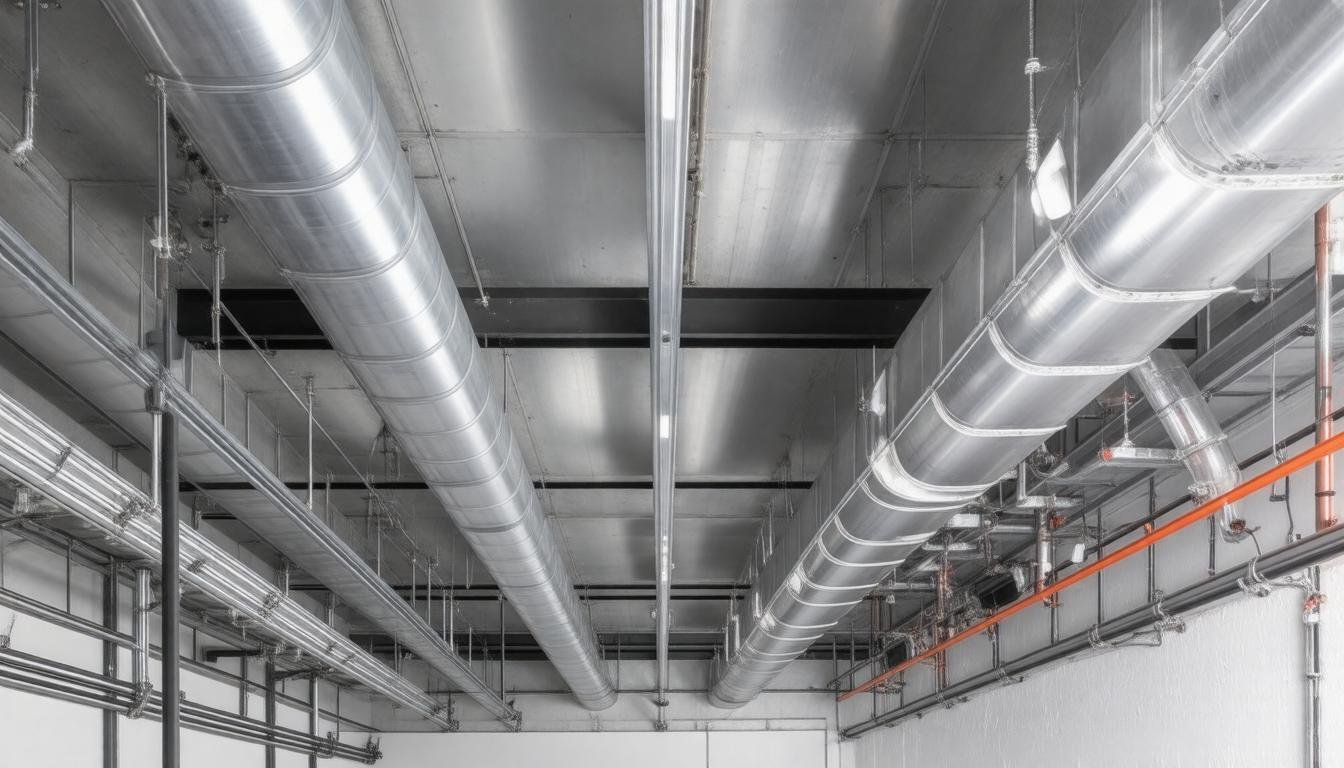
Commercial Smoke Ventilation Systems: Safety Solutions and Standards for Buildings
When it comes to keeping buildings safe during a fire, smoke is often the silent enemy. It spreads quickly, making
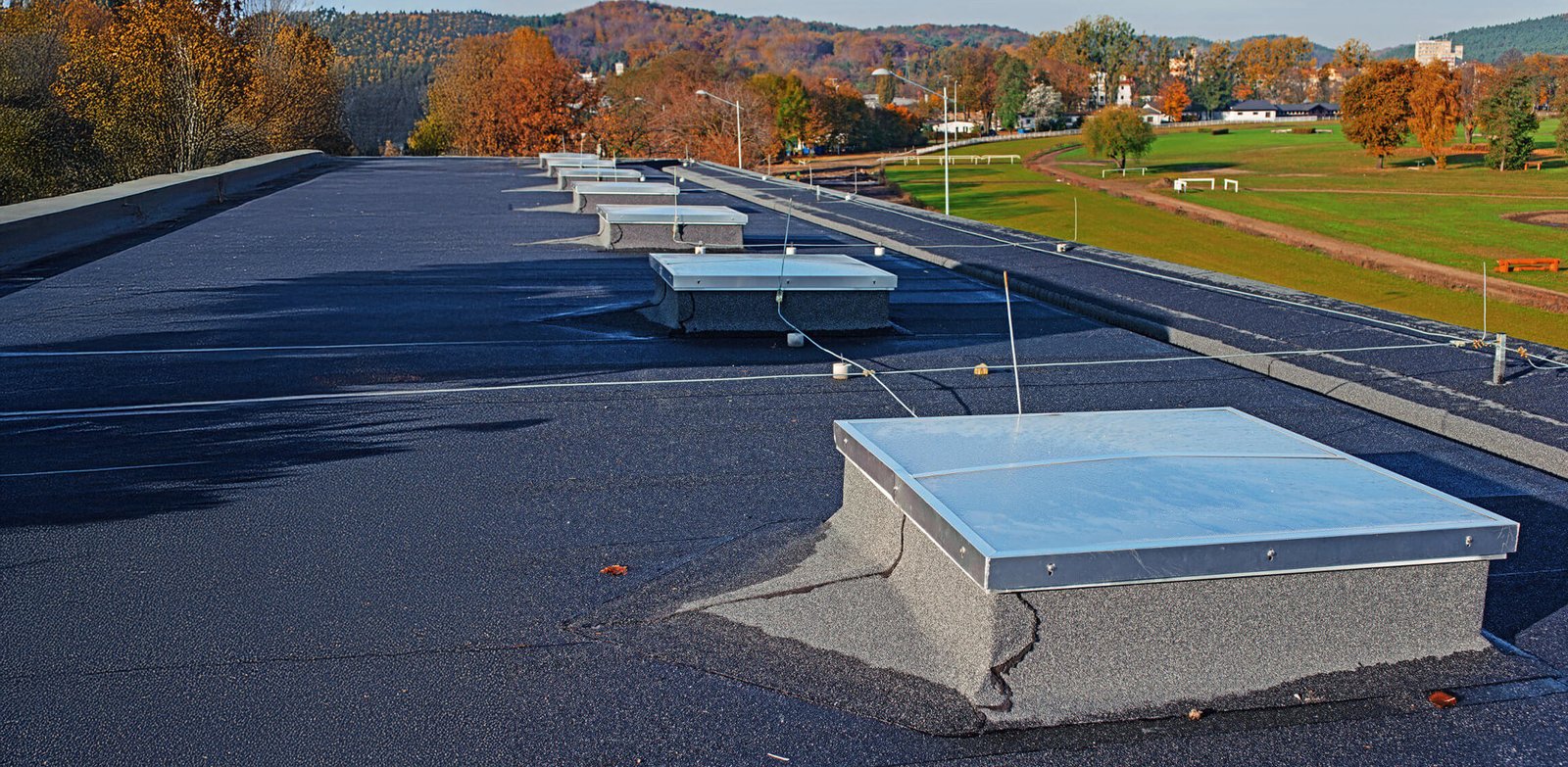
When it comes to fire safety, most people focus on putting out flames, but the real danger often lies in the smoke that follows. Smoke can spread quickly, making it hard to breathe and see, which turns an emergency into a nightmare. That’s where smoke ventilation systems come in—they’re designed to clear out smoke fast, giving everyone inside a building a better chance to get out safely. In this guide, we’ll break down what these systems do, why they matter, and how they work to keep people safe during fires.
The purpose of a smoke ventilation system is to remove smoke, heat, and toxic gases from a building during a fire, thereby improving visibility and air quality to facilitate safe evacuation and assist firefighters. These systems help maintain tenable conditions within escape routes, reduce structural damage, and ensure compliance with UK fire safety regulations.
At its core, a smoke ventilation system exists to remove smoke and toxic gases when a fire breaks out. It’s not merely about controlling unpleasant odours or keeping things tidy; it’s a physical lifeline designed to protect human life.
You see, while flames grab our attention, it’s the smoke—the invisible killer—that inflicts the most harm during fires. This thick, choking cloud quickly fills rooms and corridors, making breathing nearly impossible and obscuring exit routes. Clearing this hazardous air creates tenable conditions that give occupants precious extra time to escape safely.
The critical role of these systems goes beyond just clearing the air; they maintain breathable zones by rapidly exhausting hot gases and smoke. This also supports firefighters as they enter smoky buildings, providing better visibility and reducing harmful heat levels.
According to studies, effective smoke ventilation can reduce internal temperatures by up to 50%, drastically lowering the chance of flashover—a sudden, intense fire spread. This temperature drop is pivotal for both occupant safety and preserving structural integrity.
The National Fire Protection Association (NFPA) highlights that more than half of fire-related deaths are caused by smoke inhalation rather than burns. This underscores how vital it is for buildings to have reliable smoke ventilation systems installed correctly and maintained diligently.
One of the most immediate benefits is improved visibility during emergencies. When your escape path is shrouded in dense smoke, panic sets in quickly—and rightfully so. But an effective smoke ventilation system clears those corridors and stairwells, allowing people to see exit signs and pathways clearly.
Imagine a crowded office building where suddenly a corridor filled with choking smoke transforms into a space where you can breathe easily enough to navigate calmly toward the door. This simple change can mean the difference between a safe evacuation and chaos.
For designers and safety officers, this means smoke ventilation must align precisely with building layouts to ensure all critical escape routes benefit from airflow strategies — whether through natural vents or mechanical fans. Systems like Mercor’s automatic opening vents (AOVs) and mechanical extract fans are engineered to clear these paths efficiently, complying fully with UK standards such as BS EN 12101-2 and Approved Document B.
Moreover, good visibility reduces confusion among occupants, which minimises injury risk and accelerates evacuation times. Research suggests that well-ventilated escape routes can increase evacuation time by up to ten minutes—a window that often saves lives.
Beyond sight, these systems significantly improve air quality in emergency conditions by diluting and removing toxic gases such as carbon monoxide and hydrogen cyanide produced by burning materials. Reduced toxin concentration means less risk of unconsciousness or long-term respiratory damage during escape attempts.
Smoke ventilation can cut carbon monoxide levels by up to 70% inside protected areas, making inhalation far less lethal during evacuation phases.
Understanding the purpose and function of smoke ventilation systems sets the stage for exploring how these technologies integrate with broader strategies to enhance safety and resilience within modern buildings.
Smoke ventilation systems are far more than just a technical installation tucked away in the corners of buildings. They play a vital role in transforming a potentially deadly fire situation into one that occupants and emergency responders can manage with greater confidence and control.
One of the most immediate ways these systems improve safety is by dramatically improving visibility during a fire. When smoke fills hallways and stairwells, panic often follows — it’s hard to find your way in thick smoke, making escape routes hazardous or impassable. By clearing smoke quickly, these venting systems make it easier for everyone inside—from residents to visitors—to see exit signs, avoid obstacles, and move calmly toward safety.
And visibility is just the beginning; reducing the toxic nature of smoke is equally critical.
Smoke isn’t simply an irritant; it can be lethal. The toxic gases released during combustion—carbon monoxide being a major offender—are responsible for the majority of fire-related deaths. Smoke ventilation systems work by extracting these harmful substances from affected areas, significantly lowering their concentration.
This reduction directly decreases inhalation risks for building occupants, buying precious time that can mean the difference between life and death. Research published recently shows that effective smoke ventilation can cut down carbon monoxide levels by up to 60%, illustrating its life-saving potential.
While helping people get out safely is paramount, another key benefit lies in supporting firefighters’ efforts.
When emergency crews arrive at a burning building, they face enormous challenges—smoke-filled environments obscure flames and dangerous conditions slow their responses.
Smoke ventilation systems actively clear these pathways, giving firefighters much-needed visibility and breathing room essential for rapid fire location and suppression.
A tragic example underscoring this point is the Grenfell Tower fire in London. Investigations revealed that the lack of an adequate smoke ventilation system critically hindered fire crews’ ability to reach trapped residents quickly. With proper ventilation installed, many barriers caused by dense smoke could have been removed, possibly saving lives and reducing injuries.
Beyond human safety, these systems safeguard the very fabric of the buildings themselves.
High temperatures combined with thick smoke contribute heavily to structural damage during fires. Prolonged exposure weakens masonry joints, steel supports, and finishes—accelerating deterioration that can lead to costly repairs or complete rebuilding.
By controlling heat and smoke movement through targeted ventilation, buildings maintain their integrity longer during incidents. This containment helps prevent early collapses or failures that not only endanger lives but also complicate evacuation and firefighting efforts.
| Safety Aspect | Beneficial Impact |
|---|---|
| Improved Visibility | Enables occupants to evacuate safely with clearer sight lines |
| Reduced Toxicity | Cuts harmful gas levels by up to 60%, minimising smoke inhalation |
| Firefighter Access | Clears paths for emergency responders to act swiftly |
| Structure Integrity | Limits heat buildup, preserving building stability during fires |
Understanding how smoke ventilation supports both life safety and structural preservation sets the stage for exploring how these systems must meet stringent legal standards—a crucial next step toward ensuring comprehensive fire protection.
In the UK, compliance with legal requirements is non-negotiable when it comes to installing and maintaining smoke ventilation systems. Regulations such as the Building Regulations 2010, particularly Approved Document B (Fire Safety), alongside standards like BS EN 12101, provide a comprehensive foundation that dictates how these critical safety systems must perform. These legal frameworks don’t just act as guidelines—they set mandatory benchmarks designed to protect lives and property during a fire emergency.
Approved Document B sets out detailed fire safety principles for buildings, emphasising effective smoke control to maintain escape routes and aid firefighting efforts. In parallel, BS EN 12101 specifies performance requirements for smoke and heat control systems, including testing for aerodynamic efficiency, heat resistance, and operational reliability under fire conditions. Together, these documents mean your smoke ventilation system must be rigorously tested and certified before it can qualify as compliant.
If you’re tasked with specifying or maintaining a smoke ventilation system, partnering with specialists like Mercor UK is invaluable. Their expertise ensures that your system not only meets all regulatory demands but also benefits from advanced engineering solutions. This collaboration helps you avoid costly missteps or oversights during installation or compliance audits.
The importance of meeting these legal standards goes beyond mere bureaucracy: it directly impacts building safety and insurance validity. Non-compliance can expose building owners and responsible persons to severe consequences ranging from enforcement actions to invalidated insurance policies in case of fire damage. Furthermore, the Regulatory Reform (Fire Safety) Order 2005 places clear accountability on owners and occupiers to ensure their premises adhere to up-to-date fire safety practices—meaning failure isn’t an option.
“Legal compliance with fire safety regulations is a cornerstone of any responsible building management strategy; it’s the shield that safeguards occupants while mitigating financial risk.”
To maintain ongoing compliance, regular inspections are mandatory—typically yearly under BS 7346-8—with more frequent functionality checks recommended by experts like Mercor UK. Maintaining detailed records and service contracts simplifies meeting statutory obligations during regulatory reviews.
As legislation evolves—such as recent shifts mandating European standards (BS EN 13501 series) over older national classifications—it becomes essential to stay informed. This dynamic environment means proactive management of smoke ventilation systems is necessary both at specification and throughout their operational life.
Understanding these foundational legal aspects opens the door to exploring how various types of smoke ventilation systems respond uniquely to fire safety challenges and airflow dynamics in buildings.
Smoke ventilation systems come in several flavours, each designed to meet specific challenges posed by building design and fire scenarios. The primary categories are natural, mechanical, and hybrid systems, and choosing between them means balancing factors like building size, complexity, and intended use.
Natural smoke ventilation leans on the intuitive principle that hot air rises. It uses vents strategically placed in roofs or high up on walls to let smoke escape without mechanical assistance. This method works particularly well in buildings with simple layouts—think of homes or smaller commercial spaces where architectural features can be exploited to channel smoke naturally.
Its elegance lies in its simplicity; without moving parts or power requirements, natural systems are cost-effective and easy to maintain. Nevertheless, their effectiveness depends heavily on weather conditions and building orientation, which can sometimes limit performance.
However, when you step into larger, more complex constructions like shopping centres, airports, or multi-story office towers, natural ventilation often falls short.
Enter mechanical smoke ventilation systems—a robust solution powered by fans designed explicitly to pull smoke away swiftly from occupied areas.
These systems work regardless of external conditions and can handle large volumes of smoke over expansive spaces by embedding fans within ducts or exhaust shafts.
Their design is often integrated into a building’s overall HVAC or fire safety infrastructure, providing precise control over airflow during an emergency.
Mechanical systems also support pressurisation strategies that keep stairwells and escape routes clear of smoke, which is crucial for safe evacuation.
Yet, relying solely on mechanics or nature isn’t always optimal.
That’s where hybrid systems come into play. A hybrid setup cleverly merges natural airflow principles with mechanical assistance to deliver flexible performance across changing conditions.
For example, under favourable weather, natural vents can operate passively to save energy while mechanical fans kick in automatically when additional extraction force is necessary.
This blend offers resilience—keeping evacuation routes clear no matter what—and better efficiency over purely mechanical solutions.
Selecting the correct smoke ventilation strategy isn’t just a matter of preference; it demands assessing your building’s architecture, purpose, and occupant dynamics carefully.
Residential buildings often benefit greatly from natural vents where airflow paths are unobstructed and straightforward.
In contrast, high-rise buildings require intricate mechanical systems capable of maintaining clean escape corridors despite complex layouts.
Moreover, factors like local regulations, maintenance capabilities, and budget also influence the choice substantially. An effective system doesn’t just keep smoke at bay during emergencies—it integrates seamlessly with ongoing fire safety measures and allows for easy inspection and upkeep.
The most important takeaway? Smoke ventilation is not one-size-fits-all. Customised solutions designed around these fundamental types ensure safety is never compromised—helping occupants evacuate safely while aiding firefighters in controlling the situation swiftly and decisively.
Understanding these different types lays the groundwork for assessing what specific parts come together to create an effective smoke control system. Let’s now focus on those crucial elements that power these life-saving solutions.
A smoke ventilation system is only as good as the parts that make it up. These components work together like a finely tuned orchestra to swiftly remove smoke, heat, and toxic gases during a fire, ensuring people can evacuate safely and firefighters gain better visibility. At the heart of every system you’ll find several critical elements, each playing a distinct role in fire safety.
One foundational piece is the Automatic Opening Vent (AOV). These cleverly engineered vents are designed to spring open automatically when smoke or heat triggers the system. Imagine them as emergency exits for dangerous smoke — once activated, they provide a direct path for smoke to escape to the outdoors.
Their sizing and placement are carefully calculated based on building specifics to ensure maximum effectiveness.
But opening vents alone won’t complete the job. This is where smoke control panels come into play. Often called the “brains” of the system, these panels constantly monitor inputs from sophisticated smoke and temperature sensors scattered throughout the building.
When they detect smoke, they instantly activate AOVs and mechanical extract fans while coordinating other safety features like lobby dampers to contain smoke spread.
Precise orchestration by the control panel reduces response time dramatically—sometimes within seconds—a critical factor in life safety.
As one expert from Mercor UK puts it, “Having an efficient control panel can make the critical difference in a fire emergency.” It’s not just about turning things on and off; it’s about adapting dynamically to changing conditions in a fire scenario—such adaptability can save lives.
Extract fans are another powerhouse within many smoke ventilation setups, especially mechanical systems found in complex or high-rise buildings.
These fans don’t rely on natural airflow but instead mechanically draw out vast volumes of smoke at high temperatures, often rated up to 400°C for sustained periods, ensuring continuous removal even under demanding conditions.
The capacity of these fans ranges widely—from 1,000 to over 20,000 cubic metres per hour—tailored precisely to match building size and risk profile.
Complementing these components are smoke shafts, which serve as vertical channels that guide smoke away from occupied spaces, allowing ventilation either by natural buoyancy or mechanical assistance depending on system design.
Think of them as smoke highways inside your building structure, engineered to direct hazardous gases upward and out efficiently without allowing backflow.
All these components must be crafted from fire-resistant materials and comply with rigorous standards such as BS EN 12101 and UK Building Regulations’ Approved Document B to ensure reliable operation during emergencies.
Together, these parts form an integrated network—a delicate balance between automation, mechanical power, and architectural design—that ensures your building remains tenable long enough for everyone to get out safely.
Neglecting any one element risks compromising the entire system’s performance.
Exploring how these individual parts work together reveals why expertly tailored installation is essential for safeguarding occupants and property when it matters most.
The primary purpose of any smoke ventilation system is protecting the people inside a building during a fire. Smoke inhalation is the leading cause of fire-related deaths—far outpacing burns or other injuries—and ventilation systems act as a crucial safeguard. By efficiently clearing smoke from escape routes, these systems create breathable corridors that allow occupants valuable extra time to evacuate safely.
Imagine being trapped in a thick cloud of choking smoke with no way out. Without smoke control, visibility plummets and panic sets in, turning what might have been a manageable evacuation into a deadly ordeal. Smoke ventilation is like having a lifeline throwing fresh air into that suffocating fog, giving people a fighting chance.
But the benefits extend beyond just human safety. Protecting the physical structure itself is equally vital.
When a fire breaks out, smoke and heat don’t just threaten lives; they assault the building’s integrity. Excess heat accelerates material degradation—steel can warp, concrete can spall, and masonry joints can erode prematurely if exposed to prolonged high temperatures. A well-designed smoke ventilation system helps by rapidly removing hot gases and reducing temperature buildup within the fire zone.
This cooling effect not only slows structural damage but also reduces costly repairs afterward. For example, in multi-storey office blocks where fires generate substantial smoke volumes, ventilation systems mitigate heat concentration in stairwells and corridors—a difference that can preserve key load-bearing elements.
“A properly functioning smoke ventilation system isn’t just about clearing air—it’s about buying critical minutes for people to escape and protecting the very frame of the building they’re in.”
From both safety and financial perspectives, smoke ventilation is an investment in resilience. Buildings equipped with these systems see less fire spread, reduced smoke damage, and lower risks of catastrophic failures under fire stress.
Firefighters benefit too: with smoke cleared from access points, they gain clearer visibility to locate and suppress flames faster, increasing their effectiveness while reducing exposure to dangerous conditions.
To put it plainly:
These outcomes align perfectly with UK fire safety regulations such as Approved Document B and BS EN 12101 standards, ensuring legal compliance while reinforcing practical safety measures.
With these critical benefits in mind, the next step involves exploring how these systems are thoughtfully engineered to perform effectively across diverse building designs and fire scenarios.
Designing an effective smoke ventilation system is far from a one-size-fits-all task. Each building has its unique characteristics—whether that’s sprawling atria in shopping centres, tight stairwells in high-rises, or vast open arenas—that demand customised approaches. A deep understanding of these specific needs forms the backbone of any successful system, ensuring both life safety and property protection goals are met without unnecessary complexity or cost.
Engaging experts, such as those at Mercor UK, is invaluable in this process. Their experience allows for a thorough assessment of your building’s layout, occupancy levels, and inherent fire risks. This tailored approach means that ventilation isn’t just installed because regulations say so; it’s designed to work optimally within your space, offering real-world protection in emergencies rather than theoretical compliance.
One cornerstone of this design phase involves carefully evaluating how smoke will behave if a fire occurs. Unlike stagnant air, smoke is dynamic—it rises, spreads laterally, and can accumulate in surprising ways due to architectural features like mezzanines or domed ceilings.
To capture this complexity, modern designers employ advanced simulation techniques like computational fluid dynamics (CFD). These models recreate airflow and smoke movement within virtual replicas of buildings, highlighting potential trouble spots where smoke might linger or spread rapidly.
These simulations aren’t just academic exercises; they drive practical decisions such as where to place vents, fans, and exhausts to channel smoke away from evacuation routes or minimise damage. By adjusting variables in the model—like fire size or door positions—designers can anticipate real-life conditions during a crisis and fine-tune systems accordingly.
This proactive strategy ensures that when every second counts during a fire, the smoke ventilation system performs precisely as intended.
With regulatory frameworks becoming increasingly rigorous and technological tools more advanced, investing in expertly designed smoke ventilation systems offers tangible safety dividends—not just meeting legal standards but saving lives and preserving property through intelligent airflow management. Partnering with trusted specialists like Mercor UK helps transform these complex requirements into effective, reliable solutions tailored to your building’s unique challenges.
Ensuring your building is equipped with a customised smoke ventilation system is a critical step towards safeguarding occupants and assets. Request a quote today from Mercor UK to secure expert guidance and cutting-edge fire safety solutions that truly make a difference.
Absolutely! A smoke ventilation system not only boosts occupant safety by clearing toxic fumes but also significantly curbs fire damage by removing smoke and heat, which slows structural deterioration. Studies show that effective smoke ventilation can reduce building damage costs by up to 30%, preserving both property and precious time for firefighting efforts—a clever way to keep flames in check before they go full drama queen.
Smoke ventilation systems are typically mandated in high-occupancy buildings like shopping malls, hospitals, office towers, and residential complexes with more than three floors—basically anywhere a crowd might need a smoke-free escape route. Building codes such as NFPA 92 in the US and BS 7346 in the UK require these systems to ensure rapid smoke removal and maintain clear egress paths; statistics show that effective smoke ventilation can reduce fire fatalities by up to 60% by improving visibility and breathing conditions during evacuation.
Smoke ventilation systems should be inspected and maintained at least twice a year to ensure they function properly when smoke hits the fan—literally! Regular biannual checks catch any stuck dampers, blocked vents, or lazy fans before they turn a fire into a smoky nightmare. According to fire safety experts, well-maintained systems reduce smoke damage and improve occupant evacuation times by up to 40%, proving that a stitch in time keeps the smoke out on time.
A smoke ventilation system kicks into action during a fire emergency by swiftly extracting toxic smoke and heat from a building, creating clear air corridors that help occupants breathe and find exit routes safely. By maintaining lower smoke density, these systems can reduce fire-related fatalities by up to 50%, as firefighters also gain better visibility and conditions to tackle the blaze effectively. In essence, it’s like an industrial-sized fan clearing the fog—because when every second counts, fresh air is your best ally.
Natural smoke ventilation systems rely on strategically placed vents and windows that open automatically or manually to let smoke escape using natural airflow, making them energy-efficient and low-maintenance—but they can be less reliable in calm or enclosed spaces. Mechanical systems use fans and ducts to actively extract smoke, providing consistent performance regardless of weather or building design, though at a higher installation and operational cost; studies show mechanical systems can clear smoke up to 30% faster in complex buildings, crucial when every second counts for safe evacuation.
When it comes to keeping buildings safe during a fire, smoke is often the silent enemy. It spreads quickly, making
When machines need to move something in a straight line—whether it’s adjusting a robot’s arm or opening a valve—they rely
UK mainland delivery
Stock on hand in our UK warehouse
Online and phone support
Safe online payment options