
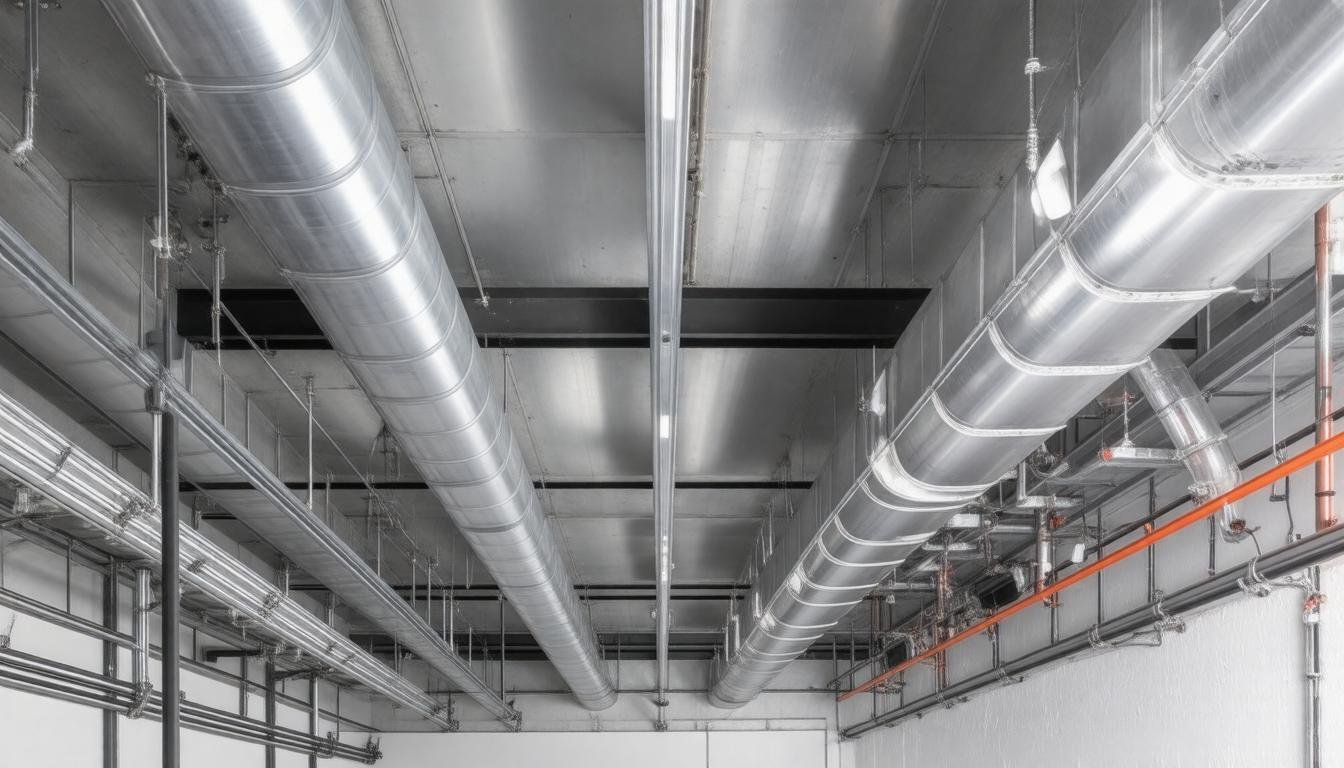
Commercial Smoke Ventilation Systems: Safety Solutions and Standards for Buildings
When it comes to keeping buildings safe during a fire, smoke is often the silent enemy. It spreads quickly, making
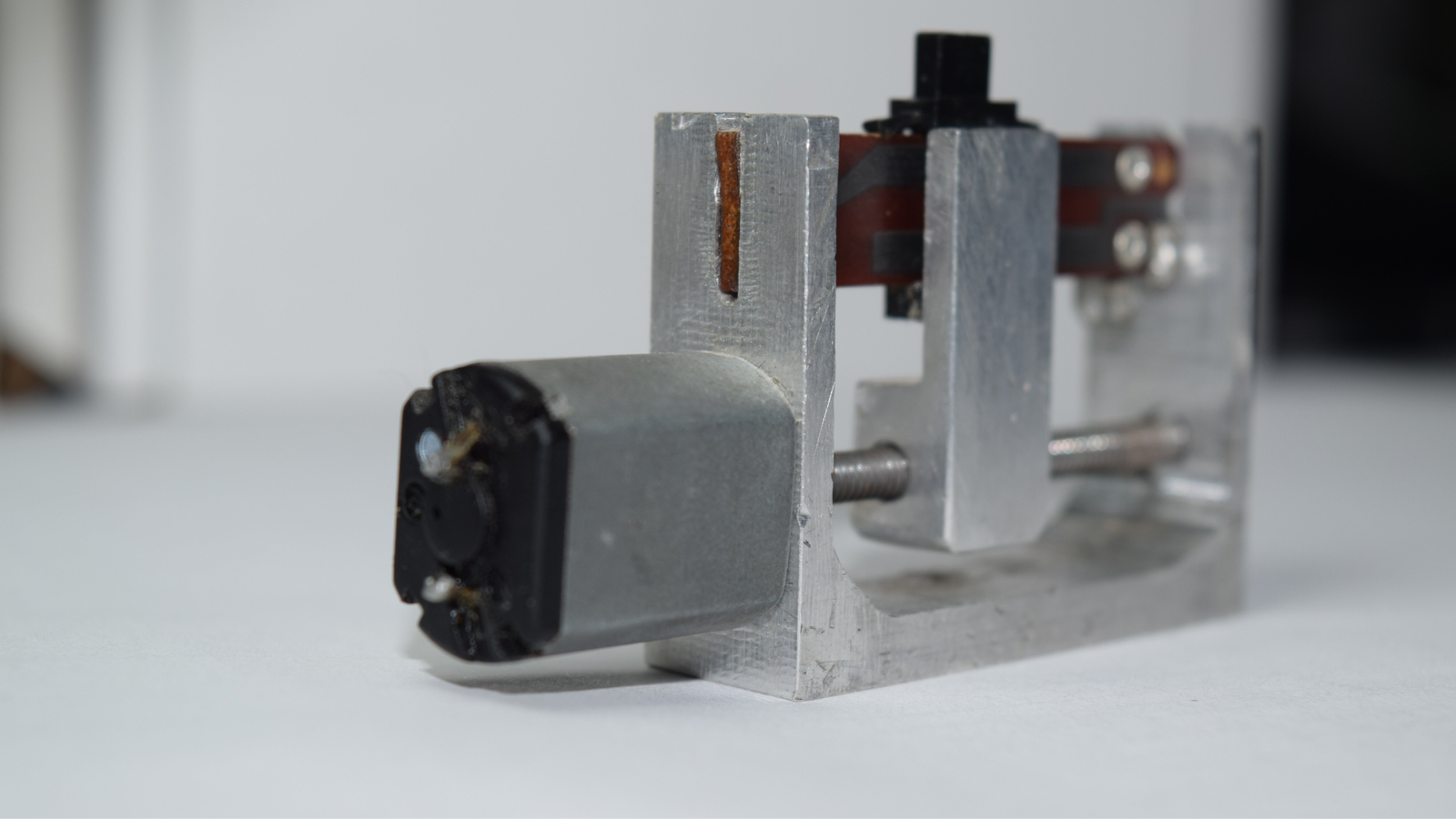
Actuators might not be a word you hear every day, but they’re everywhere, quietly making things move and work the way they should. From opening vents during a fire to running machines on factory floors, actuators turn signals into action. If you’ve ever wondered how systems respond so quickly and precisely, understanding actuators is the key. Let’s start by breaking down exactly what an actuator is and why it matters so much in safety and automation.
An actuator is a mechanical device that converts an input signal—such as electrical, pneumatic, or hydraulic energy—into controlled physical movement or force. In fire protection and smoke ventilation systems, actuators are essential components that operate dampers, vents, and other control elements to ensure safe airflow and smoke extraction during emergency situations.
At their essence, actuators are devices designed to convert some form of energy into mechanical motion. Imagine them as the muscles in many machines and systems. When a control signal—say, an electric voltage or fluid pressure—is sent, actuators respond by producing a specific movement, whether that’s pushing, pulling, rotating, or sliding. This ability to transform energy into motion is what makes them indispensable in modern automation and control systems.
The control signal that triggers an actuator can vary widely, from simple on/off electrical impulses to complex analogue inputs like variable current or pneumatic pressure. What matters is that the actuator interprets this input and produces a precise mechanical action. For example, in fire safety, companies like Mercor Fire Protection UK Ltd integrate actuators within their smoke ventilation systems: when smoke detectors register danger, actuators swiftly open vents or dampers, ensuring smoke is expelled effectively—no human intervention required.
Actuators come in many shapes and sizes because different applications require different types of motion and force. Some create linear motion—like extending a piston—while others produce rotary motion, turning valves or gears. The energy source for these motions might be electric power, hydraulic fluid pressure, or compressed air depending on factors like the required force, speed, and precision.
It’s worth noting how critical these components are for safety-focused industries. In fire protection specifically, the timely actuation of vents or dampers can make the difference between containment and disaster. The capability of an actuator to respond quickly and reliably underlies its value in these systems.
When selecting an actuator for any project—be it industrial automation or a critical building safety system—it’s vital to consider not only the type of motion but also parameters like force output, response time, stroke length for linear actuators, and the nature of the control signal. These factors ensure the actuator performs exactly as needed without fail.
In essence, actuators form the crucial link between electronic control commands and the physical actions machines must perform. Their impact spans from controlling factory machinery to safeguarding lives through smoke ventilation systems designed by trusted providers such as Mercor.
Understanding what actuators are lays the groundwork for exploring the diverse range of actuator types available today. Each type serves unique operational needs across industries, setting the stage for deeper insights into their specific functions and advantages.
Actuators come in several distinct forms, each tailored to meet different needs. At a high level, we can divide them primarily into hydraulic, pneumatic, electric, and thermal types. Each works by converting an input—whether fluid pressure, compressed air, electricity, or heat—into mechanical motion that drives machinery or system components.
Hydraulic actuators harness the power of pressurised liquids to move pistons inside cylinders. Because liquids are incompressible, these actuators provide large forces with consistent output. This makes them indispensable in heavy-duty environments like construction equipment or industrial valve controls—areas where strength outweighs speed. However, since fluids need maintenance and there’s always risk of leaks, hydraulic systems require careful monitoring.
Pneumatic actuators use compressed air rather than liquid. While they don’t typically generate as much force as hydraulics, their simplicity and cleanliness give them an edge in automation tasks where speed matters more than brute strength. For instance, packaging lines or quick material handling benefit from pneumatics’ rapid response times and ease of installation. Yet this efficiency depends on having access to reliable compressors and clean air filters—elements vital for smooth operation.
Moving from fluids to electrons, electric actuators represent a sophisticated approach centred around motors converting electrical energy directly into motion.
These include electromechanical variants that generally use rotary motors connected through screws or belts to produce linear motion with fine control and extended durability. They excel in applications requiring precision—such as medical devices or semiconductor manufacturing—even if they’re somewhat slower and bulkier compared to their pneumatic counterparts. Meanwhile, electrohydraulic types combine motor-driven pumps with hydraulics for heavy tasks where exact positioning and high force overlap.
Electric actuators are particularly compelling for their accuracy; they deliver controlled movement often measured in fractions of a millimetre and respond quickly to control signals. This precision suits industries demanding repeatable performance without leakage or contamination—a perfect match for fire protection ventilation systems like those provided by Mercor UK, where actuator reliability translates directly into safety.
Thermal actuators operate on an entirely different principle: heat causes materials within them to expand or contract. Though less common in large-scale industrial roles due to slower response times and limited force output, these actuators are found in everyday objects like thermostats and switches where small motions triggered by temperature changes are essential.
| Actuator Type | Power Source | Force Output | Typical Applications | Advantages | Limitations |
|---|---|---|---|---|---|
| Hydraulic | Pressurised liquid | Very high (up to hundreds of kN) | Heavy machinery, valves | High force density | Maintenance-intensive |
| Pneumatic | Compressed air | Moderate (up to tens of kN) | Automation lines, material handling | Fast response, clean | Requires air compressor setup |
| Electric | Electricity | Low to medium (< thousands N) | Precision control devices, ventilation systems | High precision & control | Slower speed & higher cost |
| Thermal | Heat-induced expansion | Low | Thermostats, temperature control | Simple design | Slow response, low force |
When selecting an actuator type—especially for critical uses such as smoke ventilation where response time and reliability save lives—it’s crucial to consider tradeoffs between force needs, precision, speed, infrastructure requirements, and maintenance overhead.
Now that the various actuator types have been outlined along with their strengths and limitations, we can explore how these devices function in detail to power essential fire safety mechanisms and beyond.
At the heart of every actuator lies a fascinating process: transforming a small command signal into meaningful physical movement. Imagine a relay in your home lighting system—you flip the switch, sending a tiny electrical impulse that sparks a larger flow of current to power the bulbs. Actuators operate on a similar principle but often with more complexity and precision.
They receive an input—be it electrical voltage, compressed air pressure, or hydraulic fluid force—and translate it through internal mechanisms into linear or rotational movement.
This conversion hinges on two essential components: the control unit and the energy source. The control unit acts like the conductor in an orchestra, directing the actuator when and how to move. It typically sends low-energy signals, such as electric currents measured in milliamps or regulated air pressure within pipes.
These modest instructions trigger the actuator’s internal system—a motor winding up, piston sliding inside a cylinder, or vane rotating inside a chamber—to generate enough mechanical force to perform tasks like opening vents, adjusting valves, or repositioning safety dampers.
For instance, within Mercor Fire Protection UK’s automated smoke ventilation systems, electric actuators precisely manipulate lobby dampers and Automatic Opening Vents (AOVs). When a fire alarm activates, the control panel rapidly directs these actuators to open vents and release smoke through roof lights or louvred vents.
The result is not only enhanced safety but also strict compliance with building regulations and fire safety standards.
Powering this transformation involves converting input energy forms specific to actuator types. Electrical actuators employ motors where electromagnetic coils spin shafts connected to mechanical linkages.
Pneumatic actuators utilise pressurised air forcing pistons or vanes, delivering swift movement suited for lighter loads.
Hydraulic models channel compressed liquids through cylinders enabling high-force operations critical for heavy-duty valve control in industrial pipelines.
Within each type, precision arises from finely engineered components like gears, screws, or racks coupled with sensors providing feedback loops. These feedback systems ensure the actuator doesn’t overshoot or stall—imagine what could happen if a damper kept opening endlessly despite no longer requiring ventilation!
Mercor’s actuators often integrate such controls for real-time positioning accuracy measured down to fractions of a millimetre, crucial when safeguarding people during emergencies.
“Actuators transform simple commands into lifesaving movements — making them unsung heroes in fire protection.”
With this foundational understanding of how actuators convert control signals into precise mechanical motion, we can examine the distinct characteristics and advantages of electric, hydraulic, and pneumatic designs used across various industries and safety-critical applications.
Electric actuators convert electrical energy into precise mechanical movement, making them excellent for applications demanding fine control. Their ability to integrate seamlessly with modern control systems — including those critical for fire protection like the smoke ventilation solutions offered by Mercor UK — is a major advantage. Because they rely on motors and electronic circuits rather than fluids or gases, they operate cleanly and with minimal maintenance, reducing downtime and operational costs. That said, these actuators tend to be more expensive initially, and their speed can be slower compared to pneumatic systems, which is worth considering depending on the urgency of the application.
In contrast, hydraulic actuators generate force through pressurised liquids, delivering tremendous power for heavy-duty tasks. This makes them indispensable in industries where high force output is non-negotiable — think large valves in industrial plants or construction equipment—areas where Mercor’s fire safety systems may interface with heavy machinery control. However, with great power comes complexity: hydraulic systems need meticulous maintenance to avoid fluid leaks, contamination, and ensure system integrity over time. While their precision doesn’t match that of electric models, their robust force capability remains unmatched in many settings requiring dependable muscle behind automation.
Pneumatic actuators harness compressed air to drive motion, prized for simplicity and cost-efficiency especially when an existing air supply infrastructure is present. Many older buildings’ smoke ventilation systems depend on these practical devices because of their rapid response times and ease of installation. Nevertheless, maintaining compressors and ensuring consistent air quality adds layers of upkeep not required by electric types. Furthermore, their force output limitations and generally coarser control can restrict their use in high-precision scenarios but suffice well for broad strokes in ventilation operation.
| Feature | Electric Actuators | Hydraulic Actuators | Pneumatic Actuators |
|---|---|---|---|
| Power Source | Electricity | Pressurised liquid | Compressed air |
| Force Output | Moderate (up to 10kN) | Very high (up to 1MN+) | Moderate (up to 50kN) |
| Speed | Moderate | Generally slower | High |
| Precision | High (micrometre-level) | Moderate (millimetre-level) | Low to moderate |
| Maintenance | Low | Moderate to high | Low to moderate |
| Typical Uses | Fire safety controls, automated valves | Heavy machinery, industrial valves | Smoke ventilation, packaging automation |
Clearly, each actuator type brings its own blend of strengths and trade-offs that influence where and how it’s best applied — especially in critical sectors like fire safety where reliability and responsiveness save lives. Understanding these technical nuances sets the stage for appreciating the specific environments and functions actuators serve within our daily systems.
Actuators have become embedded in countless systems, silently converting energy into precise mechanical actions that keep everything from factories to homes running smoothly. In the industrial sector, hydraulic actuators reign supreme when it comes to powering heavy machinery. Their ability to generate immense force makes them indispensable on construction sites and manufacturing floors, where equipment must lift, push, or move massive loads with reliability and strength.
But it’s not just brute power where actuators excel — precision is equally critical.
This is where electric actuators take centre stage, especially in home automation. Consider how automated blinds, adjustable lighting, or security gates operate. Each movement demands accuracy and responsiveness often achieved by electric actuators that seamlessly integrate with smart systems. Their quiet operation and fine control transform everyday conveniences into sophisticated experiences.
The blend of reliability and adaptability here reflects how actuator technology has evolved to meet diverse needs.
Diving deeper into safety-critical fields reveals another vital use: fire protection systems. This application highlights why actuator choice isn’t just a matter of performance but of life safety. Pneumatic and electric actuators control smoke vents, fire dampers, and suppression system valves, enabling rapid responses during emergencies.
Imagine a building fire scenario — these actuators open vents to clear toxic smoke or seal off zones to contain flames, all within seconds. The stakes demand fail-safe designs coupled with rigorous maintenance schedules, areas where companies like Mercor UK specialise. Their expertise ensures that actuators remain responsive when every millisecond counts.
Of course, understanding these applications helps clarify why selecting the right actuator depends on specific operational needs. Factors such as required torque, speed, environmental conditions, and system integration guide engineers’ decisions.
For instance, pneumatic actuators perform superbly in harsh environments due to their simplicity and durability but require a reliable compressed air supply to avoid downtime.
Conversely, electric actuators offer cleaner operation and easier digital control but may struggle under extremely high-temperature or pressure conditions.
Some key considerations across industries include:
The continuous evolution of actuator technology also points toward greater automation intelligence. We’re seeing smarter devices capable of adapting their behaviour based on feedback loops — improving efficiency without human intervention. Such advancements promise to reshape future applications even further, making actuators an even more integral part of industrial, commercial, and residential systems.
“Pneumatic actuators are seriously changing the game regarding industrial efficiency,” notes John Smith from Automation Solutions. His insight underscores how these devices not only provide motion but enable systems to react swiftly in dynamic environments.
Understanding the varied applications and technical demands sets the foundation for making informed choices about actuator types and their specifications—a key step toward achieving optimal performance tailored to your unique operational challenges.
Selecting an actuator isn’t a matter of picking the first model off the shelf; it’s about matching the device’s capabilities to your exact needs. Imagine you’re tasked with automating a fire safety ventilation system—a high-stakes environment where precision and reliability are non-negotiable. Here, every detail counts.
The starting point in decision-making involves assessing force and speed requirements. If your system demands significant force—say, to open heavy smoke dampers in a large facility—hydraulic actuators excel because they can deliver immense power steadily. However, this power comes with trade-offs: hydraulic systems generally have slower response times and require routine upkeep for leak prevention.
Beyond raw strength, precision often dictates your choice.
For scenarios demanding accurate positioning and swift response—typical in fire protection controls—electric actuators become the natural choice. Their design allows fine-tuned control over movement with positioning accuracies within tenths of a millimetre. This makes them indispensable when you must ensure that vents or louvres respond instantly to emergency signals. Though they might come at a higher initial price, their low maintenance and long lifespan frequently justify the investment.
Budget constraints also influence the equation but require nuanced consideration. Pneumatic actuators typically present a cost-effective upfront option, yet they depend on compressed air infrastructure, which can escalate both initial setup and ongoing operational costs. Thus, factoring in total cost of ownership—not just purchase price—is critical.
As if force, precision, and budget weren’t enough, maintenance demands warrant careful thought.
Actuators integrated into safety systems like those provided by Mercor Fire Protection UK Ltd must operate flawlessly over years, often under harsh conditions. Electric actuators stand out here due to their minimal maintenance needs and proven durability. Pneumatic and hydraulic counterparts might need more frequent inspections or component replacements due to wear from fluid leaks or air contamination.
To streamline your selection process, it helps to weigh these criteria systematically:
By reflecting thoroughly on these factors, you move beyond guesswork towards confident selection tailored for performance and safety. When in doubt—or when navigating complex regulations—Mercor UK’s extensive experience and comprehensive actuator range can provide invaluable guidance and solutions perfectly tuned to your fire protection needs.
Request a quote today at https://mercor-uk.co.uk/request-a-quote/ to ensure your fire safety systems are equipped with the right actuators for ultimate reliability.
When it comes to keeping buildings safe during a fire, smoke is often the silent enemy. It spreads quickly, making
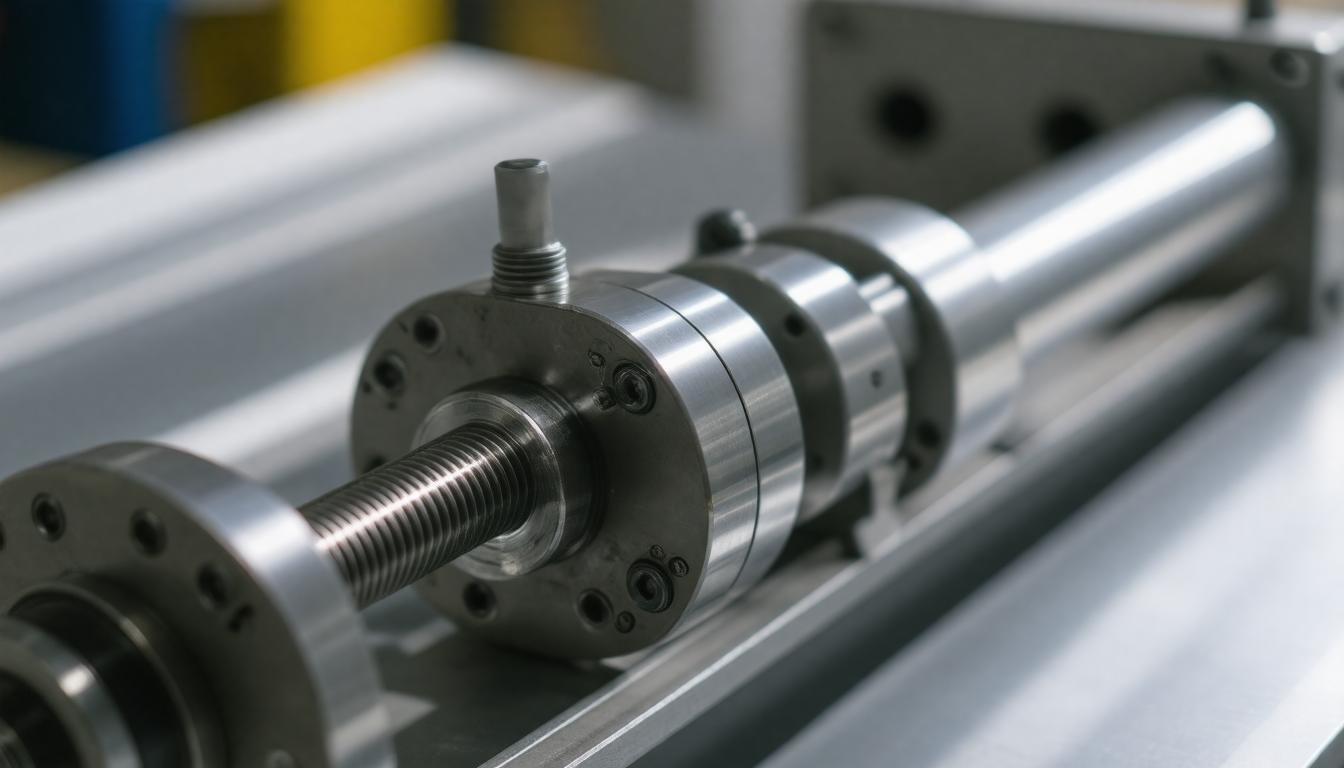
When machines need to move something in a straight line—whether it’s adjusting a robot’s arm or opening a valve—they rely
UK mainland delivery
Stock on hand in our UK warehouse
Online and phone support
Safe online payment options