
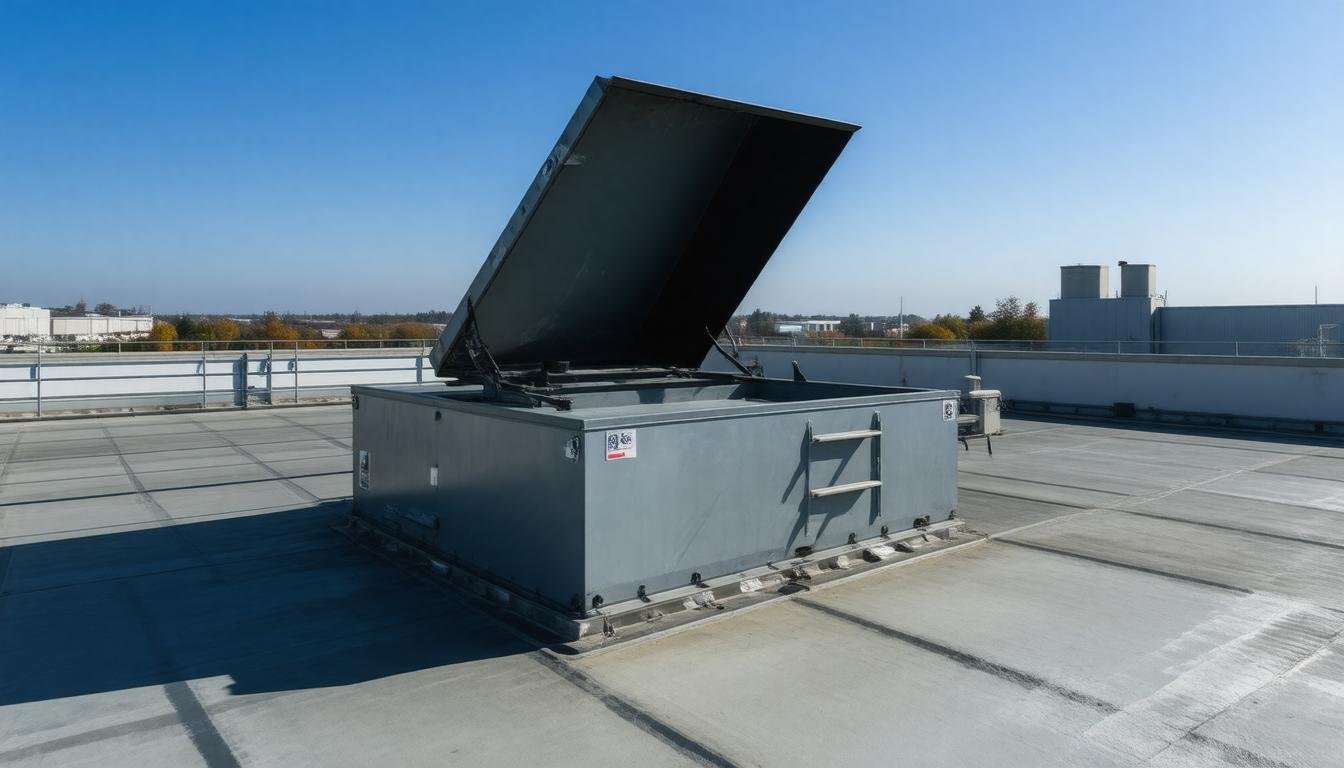
Roof Access Hatches Used For: Purposes, Benefits, and Safety Explained
Roof access hatches might not be the most glamorous feature of a building, but they play a crucial role in
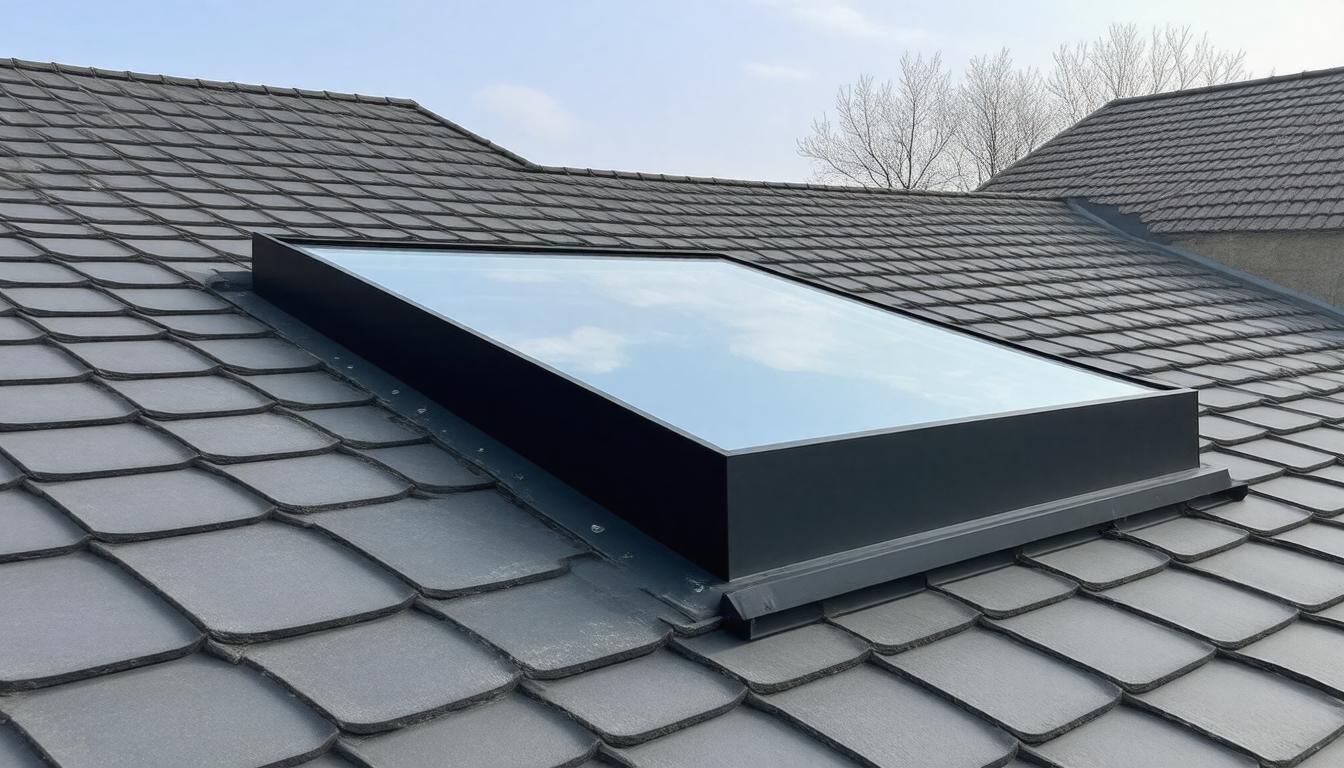
Imagine bright sunlight pouring into your home from above, turning dull corners into lively spaces without flipping a switch. That’s the magic of a rooflight—a clever window built right into your roof that brings in generous daylight while often helping with fresh airflow too. If you’ve ever wondered what makes these rooftop windows special, why they’re becoming popular, or how to choose and instal one, you’re in the right place. Let’s start by unpacking exactly what a rooflight is and why it might be just the upgrade your space needs.
A rooflight, also known as a skylight, is a window installed in a roof to provide natural daylight and sometimes ventilation inside buildings. Rooflights come in various types including fixed, operable, and tubular designs, and they improve interior lighting while supporting energy efficiency and building comfort.
A rooflight, commonly referred to as a skylight, is essentially a window installed into the roof structure designed to bring natural light deep into the rooms below. This not only enhances visibility by supplementing or even replacing artificial lighting but also creates a happier, healthier indoor environment by connecting occupants more closely with natural daylight. Unlike typical windows placed vertically along walls, rooflights capture sunlight from above, ensuring interiors receive light throughout the day regardless of sun angle.
The design of rooflights has evolved significantly over centuries—from the ancient oculus of the Pantheon that provided an open-air light source, to today’s sealed, glazed units engineered for thermal efficiency and weather resistance. Modern rooflights typically use double or triple-glazed insulating glass combined with advanced coatings like Low-E (low emissivity) films that reduce heat loss while allowing generous light transmission. Meanwhile, plastic alternatives such as polycarbonate or acrylic domes offer lightweight yet durable options especially suited for flat or shallow-sloped roofs.
These materials are critical because adding a hole to your roof can pose challenges: poor insulation can increase heating bills during winter and excess solar gain can cause overheating in summer. Properly engineered rooflights strike a careful balance between admitting abundant daylight and maintaining energy performance, helping homes stay comfortable year-round.
Beyond materials, rooflights vary widely in style and functionality: some are fixed panels solely admitting light, while others include openings for ventilation—allowing fresh air in and hot air out. Innovative designs incorporate retractable blinds or shades to control glare and heat during peak sun hours. Even tubular daylight devices channel sunlight through reflective tubes into darker spaces where traditional glazing won’t fit.
Whether used in grand commercial spaces or intimate residential rooms, rooflights enhance natural daylighting, reduce reliance on electricity, and contribute positively to wellbeing by bringing the outside world inside.
Understanding the purpose and benefits of rooflights sets the stage for examining their distinct types next — each tailored to specific architectural needs and preferences.
Fixed rooflights are the straightforward choice when you want to flood a room with natural light without worrying about ventilation. These skylights remain sealed permanently, providing a clear view of the sky and allowing sunlight to brighten interior spaces such as living rooms or corridors.
Because they don’t open, fixed rooflights tend to be simpler to instal and maintain, with fewer concerns about leaks or mechanical failure over time. They’re particularly effective in areas where extra airflow isn’t necessary but daylight is welcome. Their thermal performance depends heavily on the glazing—commonly toughened or laminated glass treated with Low-E coatings to balance heat retention and loss.
However, when fresh air circulation becomes just as important as lighting, opening or vented rooflights come into play.
Opening rooflights provide a clever solution for spaces prone to moisture buildup or lingering odours, like bathrooms and kitchens. Equipped with hinged sashes that can be operated manually or electronically, these units allow you to bring in fresh air while brightening the room.
This dual functionality helps reduce condensation issues and improves comfort by promoting airflow. From an installation perspective, opening rooflights require careful consideration of weatherproofing and insulation around moving parts to prevent leaks and heat loss.
Additionally, integrating blinds or shades offers control over solar gain and glare—a useful feature during intense summer sunlight.
For those tight spots where traditional skylights won’t fit, another innovative option exists.
Tubular Daylighting Devices (TDDs) are a compact alternative designed specifically for narrow or enclosed areas where natural light rarely reaches—think walk-in closets, hallways, or storerooms.
A small dome sits discreetly on your roof capturing sunlight which is then transmitted indoors through a highly reflective tube that directs light efficiently without requiring large openings. This system provides surprisingly ample illumination while preserving insulation integrity thanks to minimal roof penetration.
Though less common than larger skylights, TDDs offer an elegant way to brighten often neglected spaces without major structural changes.
| Type | Functionality | Ideal Locations |
|---|---|---|
| Fixed Rooflights | Natural light only | Living rooms, lounges |
| Opening Rooflights | Light + Ventilation | Bathrooms, kitchens |
| Tubular Daylighting | Compact daylight | Hallways, closets |
Each type suits different practical needs and architectural situations. By weighing your priorities—whether purely light, airflow, or minimal disruption—you can select a rooflight that enhances comfort while complementing your building’s design.
The choices today also reflect advances in energy-efficient glazing and weatherproofing materials so that modern rooflights do much more than just let sunshine in; they help manage temperature and improve indoor air quality sustainably.
Understanding which style fits best is the first step—next comes deciding on materials and installation details tailored to your project.
Rooflights do more than just brighten up a room—they fundamentally change how we experience indoor spaces. By opening a portal to natural daylight from above, they flood interiors with light that is not only abundant but also evenly distributed.
According to studies, rooflights can cut down artificial lighting needs by up to 80%, which translates directly into noticeable energy savings on your electricity bills and contributes to reducing your carbon footprint—a win for both wallet and environment.
But the benefits extend beyond mere economics. The presence of natural light has a profound impact on how we feel and function. Psychological research consistently shows that exposure to natural daylight improves mood and heightens productivity.
This is why modern offices and schools increasingly incorporate rooflights—to create environments where people are alert, engaged, and happier. Imagine walking into a workspace bathed in soft sunlight coming through overhead windows rather than harsh fluorescent bulbs; it fosters a sense of well-being that’s hard to replicate artificially.
Moving from the functional to the visual, aesthetic appeal is another compelling reason to choose rooflights.
A thoughtfully installed rooflight offers an architectural feature that lifts the style of any room. It creates the illusion of spaciousness by drawing the eye upward and connecting indoor spaces with the sky outside. This effect can make even smaller or darker rooms feel open and inviting.
For homeowners who value design, rooflights provide a sleek, modern touch without sacrificing practicality.
Beyond aesthetics, materials used in rooflights significantly affect their performance and benefits. Glazing choices like triple glazing with Low-E coatings help balance heat retention and solar gain, ensuring comfortable interior temperatures year-round while maximising light penetration.
To fully reap these benefits, proper installation is crucial—especially attention to insulation around the skylight frame and high-quality flashing to prevent leaks. Adding blinds or shades further enhances control over heat and glare, optimising comfort during different times of day or seasons.
“Incorporating rooflights transforms not just physical spaces but also positively influences energy use and occupant well-being.” — Insight from leading fire protection and building safety experts at Mercor UK
With such clear advantages in mind, the choice of materials becomes critical to maximise performance and durability.
The materials from which rooflights are made play a major role in their performance, longevity, and safety. Glass is traditionally the go-to material, prized for its clarity and robust insulation characteristics. Typically, laminated or tempered glass is used to enhance strength and reduce risk of breakage. Moreover, most quality glass rooflights come with double or even triple glazing, combined with Low-E coatings that significantly lower heat loss while ensuring you still get plenty of natural light flooding indoors. These coatings work by reflecting heat back into your room during winter and deflecting solar heat during the summer — a crucial balance for maintaining comfort year-round.
Glass also offers superior weather resistance and a lifespan often exceeding 20 years. However, it’s relatively heavy and can be more fragile during installation compared to other materials. Because of this, the supporting frame and structure need to be sturdy enough to carry the load safely without sagging or warping over time.
On the other hand, plastic materials present a compelling alternative for certain rooflight designs.
Acrylic and polycarbonate plastics have become popular choices, especially for larger domed skylights or fixed units on low-slope roofs. Their key advantage lies in being remarkably lightweight—less than half the weight of comparable glass panels—and offering impressive impact resistance. Polycarbonate especially can absorb impacts up to 200 times stronger than standard glass without cracking or shattering, making it ideal where durability against hail, debris, or accidental knocks matters. Another benefit is that plastic rooflights come with integrated UV stabilisation to prevent yellowing or brittleness over time.
However, plastics generally have shorter lifespans—about 10 to 20 years depending on quality—and while they insulate reasonably well, their thermal performance usually falls short of high-spec glass units. The choice ultimately depends on priorities between weight, durability, clarity, and insulation.
Beyond glass and plastic options, one cannot overlook fire-rated materials when safety is paramount.
Fire-rated rooflights are designed specifically to withstand elevated temperatures without losing integrity or allowing flames and smoke to spread between floors or compartments. This attribute makes them vital for commercial buildings, multi-story complexes, and any environment requiring rigorous fire safety compliance. At Mercor UK, our fire-rated skylight solutions combine robust construction with tested fire resistance standards—helping architects and builders meet regulations while not sacrificing natural daylight.
When considering fire-rated materials, look for certifications relevant to your location and application—such as BS EN 1364-1 or BS 476 in the UK—which ensure products have undergone strict testing procedures. Also bear in mind that fire-rated units might be heavier or less transparent than standard equivalents due to additional layers or intumescent treatments designed to resist heat.
| Material | Key Benefits | Typical Lifespan | Thermal Performance | Special Considerations |
|---|---|---|---|---|
| Laminated Glass | High clarity, strong insulation | 20-30 years | Low U-factor with Low-E | Heavier; requires strong support |
| Tempered Glass | Impact-resistant; safer breakage | 20-30 years | Excellent | More expensive than acrylic |
| Acrylic Plastic | Lightweight; good light transmission | 10-20 years | Moderate | May yellow over time; less impact resistant than polycarbonate |
| Polycarbonate | Extremely impact resistant; UV stable | 10-15 years | Moderate | Slightly less clear than glass |
| Fire-Rated Units | High-temperature resistance; fire safe | Varies (per certification) | May be less transparent | Often heavier; crucial for safety compliance |
Choosing the right rooflight material means weighing factors such as expected lifespan, climate demands, building codes, aesthetic preference, and budget constraints. A residential extension benefiting from abundant natural light might prioritise double-glazed glass for clarity and energy efficiency.
Conversely, large commercial atriums seeking robust protection against impact and fire hazards might specify fire-rated polycarbonate composites from specialist suppliers like Mercor UK.
Understanding these material distinctions sets the stage for making smart choices about how you instal your rooflight so it performs reliably over many seasons.
Installing a rooflight isn’t just about cutting a hole in the roof and slotting it in. It requires careful planning, precise execution, and strict adherence to building regulations to make sure your investment delivers both beauty and function for years to come.
The very first step before lifting any tools is to check local building codes. This might seem tedious, but building regulations govern everything from fire safety to energy efficiency, especially in commercial settings where fire-rated rooflights are often mandatory. Ignoring these can lead to costly adjustments or safety risks down the line.
Once you’ve confirmed compliance with regulations, the next major consideration is location. The goal is to capture as much natural daylight as possible without causing excessive heat gain or loss.
South-facing rooflights bathe interior spaces in warm sunshine but can heat rooms significantly during summer months; conversely, north-facing installations deliver softer, more consistent lighting without overheating. Deciding on placement also involves considering your room’s layout—too close to walls may cause uneven light distribution, while centrally placed rooflights can balance illumination throughout the day. This balance between positioning and climate is key for comfort and energy efficiency.
Beyond location, the quality of installation plays a pivotal role in performance. Many homeowners underestimate how challenging it can be to achieve a perfectly sealed fit between the rooflight frame and roofing materials.
Incorrect installation results not only in leaks that damage ceilings and insulation but also severely diminishes thermal performance—leading to drafts and increased energy bills.
That’s why it’s highly recommended to hire experienced professionals familiar with your specific roof type and flashing requirements. They will ensure the installation meets Part L (conservation of fuel and power) and Part F (ventilation) standards required in the UK.
An often overlooked but critical element is the choice of flashing kits—the waterproof seals around the rooflight frame where it meets the roof surface. These must match your roofing material—whether tile, slate or metal—to achieve maximum protection against water ingress. High-quality flashing can reduce leak risk by up to 90%, making it an essential part of any installation project.
Similarly, attention to insulation around the rooflight opening prevents cold bridging—a common cause of condensation and heat loss. Achieving near R7 insulation levels within sidewalls means thicker insulation batts should be installed carefully, avoiding gaps that compromise airtightness.
Adding manual or automated blinds further enhances thermal control by blocking unwanted solar gains during peak hours without sacrificing daylight benefits.
| Installation Aspect | Key Advice |
|---|---|
| Building Regulations | Confirm Part L & F compliance; use fire-rated glazing if needed |
| Location | Choose orientation balancing light vs heat (South vs North) |
| Professional Help | Use trained installers for airtight sealing |
| Flashing | Match flashing kit to roof type for waterproofing |
| Insulation | Ensure sidewall insulation avoids thermal bridging |
| Blinds/Shading | Add blinds to control solar heat gain |
Paying meticulous attention to every phase—from regulation checks through strategic positioning and professional installation—ensures your rooflight performs optimally. This careful orchestration directly influences comfort levels inside your home while protecting your investment long-term.
The design choices made now prepare us well as we explore how modern homes incorporate these openings into their architecture for enhanced living spaces.
Rooflights have quickly become a staple in modern home design, serving not just as sources of natural light but also as architectural statements. Unlike traditional windows, rooflights are positioned to capture sunlight from above, filling interior spaces with bright, natural illumination that changes throughout the day. This influx of daylight can fundamentally transform living areas—making rooms feel larger, airier, and more connected to the outdoors.
Beyond their visual appeal, rooflights enhance energy efficiency. Thoughtfully placed rooflights reduce the need for electric lighting during daylight hours and improve passive solar heating in cooler climates. Achieving these benefits requires attention to materials and placement—using glazing that minimises heat loss or limits unwanted UV exposure is essential for year-round comfort.
The advancement of smart technology has introduced smart rooflights that elevate convenience and home automation. Imagine rooflights that open and close automatically based on weather conditions or indoor air quality. These systems use sensors to detect rain, ambient temperature, or humidity levels and adjust accordingly without manual input. Integration with popular smart home platforms allows homeowners to schedule openings for ventilation or remotely control shading devices to reduce glare or heat gain.
This automation adds comfort while supporting energy-saving strategies by optimising natural airflow and daylighting without manual intervention. It transforms your rooflight from a static window into an intelligent component of your home’s climate control system—a feature appealing to those seeking sustainable living solutions combined with modern convenience.
Custom-designed rooflights allow homeowners and architects to tailor size, shape, and finish to harmonise perfectly with their building’s unique style. Whether it’s a series of slim linear rooflights aligned with minimalistic interiors or larger geometric panels creating dynamic ceiling patterns, customization turns rooflights into artistic expressions complementing contemporary aesthetics.
Materials such as frameless glass panels or sleek metal accents in muted tones can be selected to blend seamlessly or provide tasteful contrast. Many modern homes also choose innovative shapes—trapezoidal or asymmetrical profiles—that align with structural elements or create bold visual interest while maintaining optimal daylight penetration.
Collaborate closely with manufacturers experienced in bespoke installations to ensure weatherproofing and structural integrity remain uncompromised while achieving the desired look.
Having explored innovative styles and smart features, it’s crucial to understand the installation essentials that safeguard both beauty and function over time.
When installing a rooflight, energy efficiency should be at the forefront of your planning. A rooflight that lacks proper insulation can become a source of unwanted heat loss during colder months and excessive heat gain when the sun is strong, inflating your utility bills without delivering adequate comfort. Look for rooflights boasting high R-values and low U-factors—these measurements indicate superior thermal performance. Modern triple-glazed units with advanced coatings like Low-E glass also help maintain indoor temperatures more consistently by reflecting infrared heat while allowing natural light to pour in.
However, excellent energy ratings alone won’t guarantee success if the installation itself is poorly executed. One key practical concern is leak prevention. The junction where the rooflight meets your roofing material must be meticulously sealed using high-quality flashing kits designed to comply with British Standards such as BS 5534:2014+A2:2018. Even the tiniest gap can invite water ingress, undermining not only the structural integrity of your roof but also leading to damp issues inside your property. Skilled installers often take extra care by overlapping flashings and integrating waterproof membranes seamlessly, ensuring rainwater flows away from vulnerable points rather than seeping through.
It’s wise to insist on professional fitting unless you’re very confident and experienced, as mistakes made now may result in costly repairs down the line. Regular inspection and maintenance post-installation also help prevent slow-developing leaks caused by weathering or sealant degradation.
Beyond thermal performance and waterproofing, fire safety represents another crucial factor—particularly relevant for commercial spaces or buildings with strict regulatory requirements. Rooflights must meet safety glazing standards such as BS EN 12150 or BS EN 14449, which specify impact resistance with laminated or toughened glass that resists breakage. Fire-rated rooflight options incorporate special materials and designs that prevent fire spread through your building envelope while maintaining natural light benefits.
For those prioritising enhanced fire protection without sacrificing daylight access, Mercor UK offers several certified fire-resistant rooflight solutions engineered to comply with rigorous safety codes. These products provide peace of mind alongside aesthetic appeal, contributing directly to a safer environment.
By carefully balancing energy efficiency, leak prevention, and fire safety considerations—and selecting trusted, compliant products—you set the foundation for a comfortable, secure interior space illuminated naturally for years to come.
Choosing the right rooflight involves more than picking a style; it demands attention to installation quality and compliance with safety standards. To ensure your building benefits from optimal natural light, thermal comfort, and fire safety, trust professionals to guide you every step of the way. Request a quote today at Mercor UK and take the first step towards transforming your space with expert fire-resistant rooflight solutions.
Absolutely! Many rooflights come with opening options—think of them as skylight superheroes that don’t just let light in but also freshen up your space. Ventilated rooflights can reduce indoor temperatures by up to 15%, improve air quality, and help cut down on condensation. So yes, they’re not just bright ideas—they’re breath-of-fresh-air innovations!
Rooflights are commonly crafted from toughened glass or polycarbonate, with glass offering superior clarity and durability—up to 10 times more scratch-resistant—and polycarbonate favoured for its lightweight impact resistance, being up to 250 times stronger than glass; these materials ensure optimal daylighting while balancing safety and insulation needs.
Rooflights are typically installed by carefully cutting an opening in the roof, fitting a waterproof flashing frame, and securely sealing the glazed unit to prevent leaks—professionals recommend this process to ensure longevity and structural integrity. Maintenance is minimal but vital; regular cleaning of the glass and checking seals can extend their life by up to 15 years, as poor upkeep accounts for 40% of premature rooflight failures. So, a little love keeps that sunlight streaming without costly repairs!
A rooflight is like the savvy cousin of the skylight—while both invite sunlight indoors, rooflights are typically flat or slightly domed and integrated flush with the roof, offering better insulation and weather resistance, whereas skylights often protrude above the roofline. In fact, studies show rooflights can reduce heating bills by up to 15% due to superior thermal performance, making them not just a stylish choice but an energy-efficient one too.
Rooflights boost energy efficiency by flooding your space with natural light, which slashes the need for artificial lighting and trims electricity bills—studies show that daylighting can reduce lighting energy consumption by up to 80%. Plus, modern rooflights often come with double or triple glazing and insulated frames that minimise heat loss in winter and cut heat gain in summer, helping maintain a cosy indoor climate year-round and potentially lowering heating and cooling costs by up to 25%. So, they’re not just skylights—they’re wallet-friendly climate warriors on your roof!
Roof access hatches might not be the most glamorous feature of a building, but they play a crucial role in
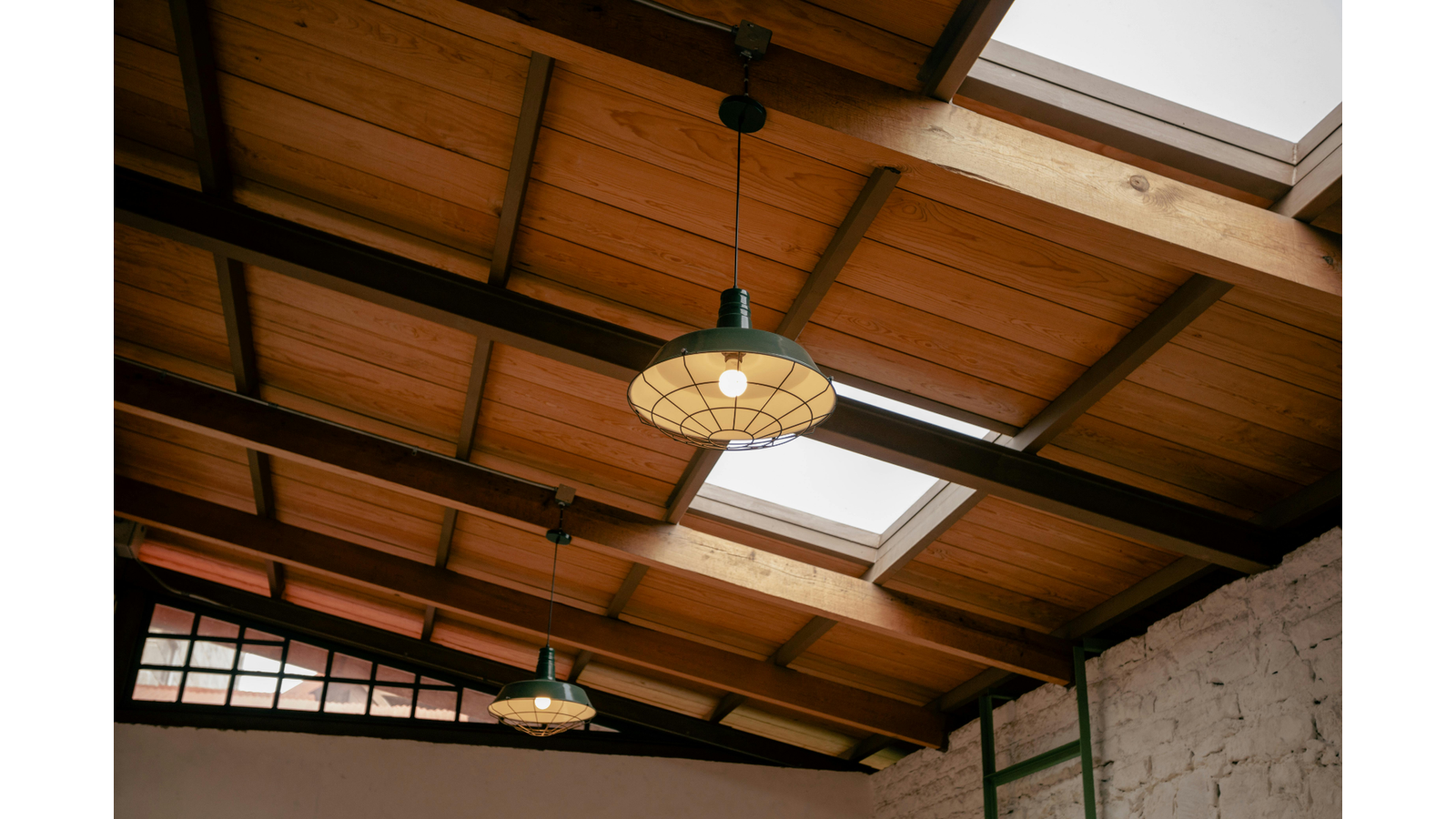
When a fire breaks out, smoke can be just as dangerous as the flames themselves—often making it hard to see
UK mainland delivery
Stock on hand in our UK warehouse
Online and phone support
Safe online payment options