
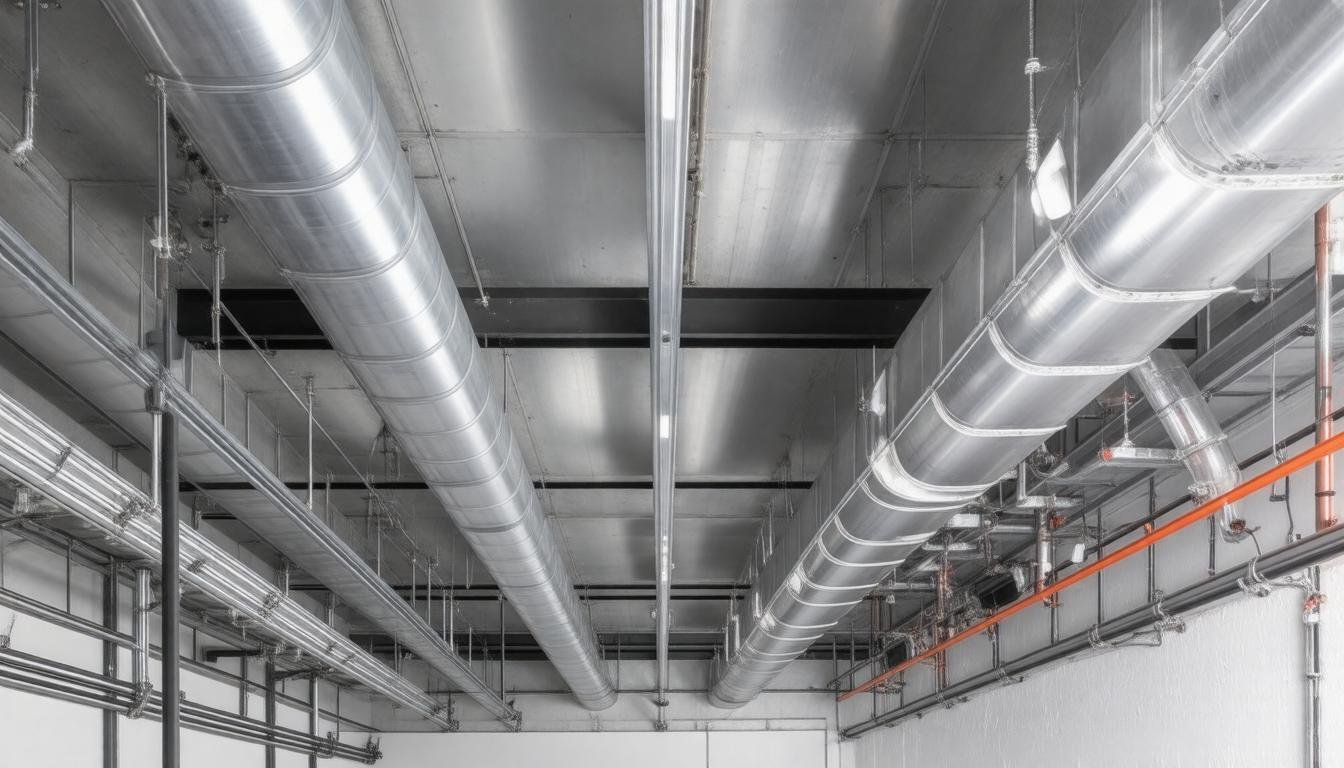
Commercial Smoke Ventilation Systems: Safety Solutions and Standards for Buildings
When it comes to keeping buildings safe during a fire, smoke is often the silent enemy. It spreads quickly, making

When you think about emergency escapes in buildings, stairwells are often overlooked—but they play a crucial role in keeping people safe during fires. Without proper ventilation, these narrow spaces can quickly fill with smoke, turning what should be safe exits into dangerous traps. That’s why stairwell ventilation systems are designed to clear out smoke and heat, helping people breathe easier and see clearly when it matters most. In this article, we’ll explore how these systems work, why they’re essential, and what makes a good stairwell ventilation setup that supports both safety and comfort every day.
Stairwell ventilation refers to the controlled removal of smoke and heat from building stairwells during a fire, ensuring these critical escape routes remain clear and safe for occupants. By integrating smoke extraction systems with actuators and vents, stairwell ventilation reduces toxic gas inhalation, improves visibility for evacuation and firefighting operations, and helps maintain structural integrity by limiting heat buildup.
Stairwells serve as the backbone of safe evacuation during emergencies, especially fires. They are the designated paths that guide occupants to safety, but without effective ventilation, they can quickly turn into dangerous smoke-filled traps. As smoke fills these confined vertical spaces, visibility plummets, and toxic fumes accumulate—making escape routes not just difficult but potentially deadly. Proper stairwell ventilation actively prevents this scenario by swiftly removing smoke and keeping the air breathable.
The function of such systems centres around creating a pressure difference that pushes smoke away from the stairwell and ensures fresh air circulation. When smoke rises through a building, stairwells act as natural chimneys, gathering the hazardous gases unless a controlled airflow interrupts this buildup. Effective ventilation solves this by maintaining positive air pressure in the stairwell, which stops smoke from seeping in. This positive pressurisation both protects occupants and safeguards firefighters accessing these spaces during rescue operations.
Quantitatively, research highlights just how powerful stairwell ventilation can be. Studies indicate that ventilated stairwells reduce smoke concentration by up to 80%, vastly improving visibility and reducing inhalation of harmful gases. This drastic reduction translates into shorter evacuation times and significantly lower health risks during fires. An oxygen-rich, clear escape path isn’t merely a convenience—it’s a life-saving necessity.
Beyond emergencies, regular operation of ventilation systems enhances daily air quality within stairwells. Stale air can harbour pollutants like dust, mould spores, or even carbon dioxide from human presence. Ventilation circulates fresh air consistently, preventing these accumulations and contributing to healthier indoor environments. This everyday benefit often goes unnoticed until absence creates discomfort or allergic reactions among residents or employees.
Consider feedback from real-world users: A property manager at a London high-rise noted an impressive spike in evacuation efficiency after upgrading to a professionally designed stairwell ventilation system. Evacuation drills conducted before installation took nearly twice as long compared to post-installation results—a tangible testament to how airflow engineering directly impacts safety outcomes.
Moreover, stairwell ventilation systems integrate seamlessly with fire detection technology. Sensors automatically trigger vents and fans within seconds of detecting smoke, ensuring that intervention happens instantly—long before conditions become critical. This automation removes reliance on manual activation, eliminating human error from one of the most crucial moments in an emergency.
For architects, facility managers, and safety professionals alike, designing stairwells with advanced ventilation must be a foundational element—not an afterthought. Investing in proven products such as Mercor Fire Protection UK Ltd‘s range of smoke control solutions guarantees compliance with rigorous standards like EN12101 and BS7346-8 while delivering reliable protection day after day.
In addition to safety benefits, properly ventilated stairwells protect building infrastructure by limiting heat damage within fire scenarios. By reducing heat accumulation by up to 40%, these systems preserve structural components longer—affording more time for firefighting intervention and minimising costly repairs later on.
Understanding these vital safety functions naturally leads us to explore how different ventilation approaches—whether relying on natural forces or mechanical systems—shape the design and effectiveness of these life-saving installations.
Natural ventilation leans on clever building design to harness air movement without extra energy use. It takes advantage of simple architectural features like operable windows, roof vents, or louvres positioned to encourage fresh air in and smoke out. This method often relies on the stack effect, where warmer air inside the building rises and escapes through upper openings, pulling cooler air in from below. Tall buildings benefit most here because their height naturally supports this chimney-like airflow.
However, while natural ventilation is elegant and cost-effective—requiring less installation complexity and energy consumption—it depends heavily on external conditions like wind direction, outdoor temperature, and whether vents remain open as intended. This reliance means its performance can be inconsistent in certain weather or building layouts. In other words, if the wind isn’t cooperating or if vents are blocked, smoke might not evacuate quickly enough to maintain safe conditions during a fire.
Still, natural systems shine when combined thoughtfully with a building’s design from the outset. They reduce operational costs over time and simplify maintenance since fewer moving parts are involved. For example, low-maintenance louvred windows that automatically open in response to smoke detection enable passive airflow while maintaining security and weather protection when closed.
On the flip side, mechanical ventilation brings power and precision. By using motors, fans, controlled dampers, and designed ductwork, these systems actively force smoke out and push fresh air into stairwells regardless of outside conditions. Mechanical setups compensate for situations where natural airflow alone won’t suffice—such as in sprawling commercial complexes or buildings surrounded by other structures blocking wind.
At Mercor Fire Protection UK Ltd, products like the mcr WIP LD series mechanical lobby dampers exemplify how engineered solutions deliver reliable smoke control under challenging circumstances. These units can manoeuvre between 1,000 to 20,000 cubic metres of air per hour—a volume capable of maintaining consistent pressure differentials from 50 up to 100 Pascals. This pressure helps prevent smoke infiltration into escape routes, which is critical when every second counts in emergencies.
Moreover, mechanical systems integrate seamlessly with fire alarms and control panels to activate instantly when smoke is detected. Within about a minute, actuators open vents or start fans to establish a controlled airflow path. Their design ensures components withstand intense heat—up to 600°C—so they continue operating safely during critical periods established by regulatory standards such as EN12101 and BS7346-8.
Mechanical systems require more upfront investment and routine testing compared to natural ones but provide dependable performance that many high-risk buildings demand. Regular inspections and sensor calibrations are necessary to guarantee functionality over time—something Mercor UK supports locally with rapid delivery of replacement parts from our Manchester warehouse.
Grasping these fundamental differences empowers decision-makers to match ventilation strategies perfectly with their building’s unique traits and safety requirements. This strategic alignment sets the stage for turning attention toward integrating these systems seamlessly during setup and ensuring optimal performance throughout their lifespan.
When designing and installing stairwell ventilation systems, it’s essential to begin with a comprehensive assessment of the building itself. This isn’t just about measuring stairwell dimensions; it’s about understanding how air naturally moves through the entire structure. For instance, factors such as ceiling heights, stairwell width, and the number of floors can dramatically influence where to position vents and fans for maximum smoke extraction efficiency.
A poorly placed vent might leave smoke lingering in escape routes, putting lives at risk.
To capture this complexity, detailed airflow studies—sometimes using computer simulations—can illuminate existing patterns and help identify spots where smoke or heat may accumulate during a fire event.
This proactive approach guides choices like whether natural ventilation will suffice or if mechanical fans are necessary to maintain safe pressure differentials. Buildings located in areas prone to high winds or those with unique architectural features may demand tailored solutions that go beyond one-size-fits-all models.
Once the design parameters are clear, professional installation becomes an equally critical step. It’s tempting for some to consider cost-cutting by handling DIY setups or unqualified contractors. However, proper certification and expertise matter immensely here.
Companies like Mercor Fire Protection UK Ltd not only supply top-quality smoke ventilation products but offer specialist guidance through every stage—from accurate free area specifications to ensuring your system complies strictly with EN12101 and BS7346-8 standards.
Certified installers understand the nuances of connecting sensors, actuators, control panels, and integrating the system seamlessly with your fire alarms.
They also ensure that all ductwork and components withstand intense heat—some rated for up to 600°C for 30 minutes—to survive critical fire conditions without failure.
Mistakes at this stage can cause costly rework or even system malfunction when it matters most. So investing in professional installation isn’t an expense; it’s a vital safeguard.
Beyond installation, regular testing and maintenance are indispensable for ongoing safety assurance.
Quarterly inspections form part of industry best practises, detecting sensor drift or mechanical wear before these issues become dangers.
Simple tests—such as triggering activation sequences and checking vent responsiveness—allow technicians to calibrate or replace parts promptly.
Ideally, establish a maintenance schedule early on involving trained staff who know what signs to monitor daily, supplemented by expert servicing annually or after any significant fire incident.
Keeping detailed logs during these checks supports compliance audits and helps demonstrate your commitment to occupant safety.
How often have buildings failed under emergency conditions due to neglected smoke ventilation upkeep?
The unfortunate answer is more often than we’d like—and each case highlights why thoughtful design plus professional installation must be paired with vigilant maintenance.
“A smoke ventilation system is only as good as its weakest link.” — Industry expert at Mercor UK
Finally, remember that every building presents its own unique challenges—what works brilliantly for one may not suit another.
Engaging specialists early ensures your stairwell ventilation solution fits your specific requirements exactly, providing peace of mind that escape routes stay clear when every second counts.
Understanding these practical design and installation essentials lays the groundwork for navigating the intricate legal frameworks governing fire safety. Next, we explore the crucial regulations shaping effective smoke ventilation strategies within built environments.
In the UK, stairwell ventilation systems aren’t just optional extras—they must meet stringent standards designed to protect lives during a fire. The cornerstone of these regulations involves compliance with EN12101 and BS7346-8, which set out rigorous performance and safety criteria. These standards govern everything from system activation times and airflow rates to temperature endurance, ensuring that installed systems perform reliably when it matters most.
Adhering to these codes is about more than ticking boxes; it guarantees that ventilation components withstand extreme fire conditions—specifically, exposure to temperatures around 600°C for at least 30 minutes without losing effectiveness or structural integrity. This resilience is vital because smoke control systems must continue to operate amidst intense heat, maintaining clear escape routes for occupants and accessibility for emergency responders. Failing to meet these conditions can mean the difference between a controlled evacuation and chaos.
Beyond safety concerns, non-compliance carries serious legal implications. Building owners or managers who instal subpar or uncertified ventilation risk substantial penalties, not to mention potential liability if the system underperforms during an incident. Unfortunately, inadequate ventilation often goes unnoticed until an emergency reveals its shortcomings, highlighting the importance of proactive adherence to building codes.
To navigate this complex regulatory environment effectively, working with an experienced and reputable supplier such as Mercor Fire Protection UK Ltd is invaluable. With nearly four decades of expertise behind them and a UK-based stock ready for rapid delivery, Mercor ensures that every component—from lobby dampers to automatic opening vents—meets or exceeds UK standards. Their solutions are tested rigorously to deliver consistent reliability under fire conditions, giving architects, contractors, and building owners confidence in their smoke control investments.
In practise, this means integrating certified products like Mercor’s range of mechanical smoke exhaust systems or lobby dampers into your building design early on. Doing so simplifies compliance checks and facilitates smoother approval from fire safety authorities. Additionally, regular maintenance aligned with EN12101 recommendations ensures sustained performance over time—a critical element often overlooked until problems arise.
“*Building code compliance isn’t just a regulatory hurdle—it’s the foundation that guarantees stairwell ventilation does its job when lives depend on it.*”
Mastering these regulatory demands establishes a framework for reliable stairwell ventilation systems that save lives. As we shift our focus toward broader emergency management strategies, understanding how smoke control integrates with safe exit pathways becomes paramount.
Stairwells act as the primary escape routes during a fire emergency, and their safety hinges on effective smoke ventilation systems. Without these systems, smoke can rapidly fill these confined spaces, creating an invisible yet deadly barrier that obscures vision and ignites panic. This is why modern stairwell ventilation designs prioritise keeping escape paths free of smoke, ensuring occupants can evacuate calmly and firefighters can access the affected zones without delay.
Smoke control operates through an orchestrated mechanism involving sensors that detect smoke early and activate automatic vents and fans to expel dangerous gases. These systems typically employ high-level exhausts to release hot smoke upward, paired with low-level fresh air inlets that push clean air in. This airflow dynamic creates a pressure difference often described as a “chimney effect,” effectively pushing smoke away from stairwells and corridors used for evacuation.
By lowering smoke concentration, these systems drastically reduce harmful inhalation risks and improve visibility, critical factors that can mean the difference between life and death.
Research consolidates the vital role these systems play—studies show that buildings equipped with compliant smoke ventilation solutions report up to a 50% reduction in fatal fire incidents. Alongside reducing toxic exposure, maintaining clear escape routes minimises confusion and stress during emergencies, facilitating quicker evacuation times.
Reflecting this real-world impact, a seasoned fire chief from Manchester shared how an office block recently caught fire but remained remarkably safe thanks to its properly designed stairwell ventilation system. The smoke was swiftly cleared from escape routes, enabling firefighters unfettered access to the flames while occupants evacuated calmly.
This practical experience highlights how well-integrated smoke control isn’t just theory—it’s an essential shield for lives and property.
For building managers and designers, investing in automatic smoke control systems—such as those offered by Mercor Fire Protection UK Ltd—is paramount. Their latest models integrate seamlessly with fire alarms for near-instantaneous activation and comply fully with EN12101 and BS7346-8 standards.
Regular maintenance is equally crucial; quarterly testing ensures sensors remain precise and vents/logics respond reliably under pressure.
Beyond enhancing immediate safety, effective stairwell ventilation supports broader building health by sustaining proper airflow patterns throughout occupied spaces. This prevents stagnation of air pockets where contaminants or moisture might accumulate, promoting not just emergency readiness but general comfort and building longevity.
Ensuring this balance across your building’s environment depends on both smart design choices and ongoing care. Next, we explore key strategies that maintain optimal airflow to safeguard health and efficiency on a daily basis.
At the heart of an effective stairwell ventilation system lies consistent airflow that moves smoke and heat out quickly while drawing fresh air in. When this balance falters, the primary purpose — keeping escape routes clear and breathable — is compromised. Maintaining this airflow requires deliberate, ongoing care to prevent common issues like dust accumulation, mechanical wear, or blockages in ductwork.
One of the simplest yet most impactful steps you can take is routine maintenance of every component involved in creating that airflow. Dust and debris are silent enemies here; they accumulate inside fans, dampers, and vents, reducing efficiency by restricting air passage or even causing system failures.
This gradual clogging not only makes the system work harder but can lead to costly repairs or worse — inadequate smoke extraction during emergencies.
Scheduling quarterly inspections becomes a cornerstone for reliable stairwell ventilation. During these checks, it’s essential to physically clean surfaces where particles gather and replace or clean air philtres that trap contaminants before they enter critical parts like fans or ducts.
Failing to change philtres regularly is like trying to breathe through a dusty cloth — it simply doesn’t work well.
Beyond cleaning, inspections should verify the alignment and responsiveness of moving components. For instance, actuator motors must move dampers smoothly without delay. A damper stuck even partially closed can limit fresh air intake or smoke exhaust significantly—turning a safety feature into a liability.
To stay ahead of performance degradation, many modern stairwell ventilation installations integrate monitoring technologies that supply real-time data on airflow rates and system health. This helps facility managers identify issues early rather than waiting until an annual inspection or emergency reveals a problem.
At Mercor UK, we specialise in control panels and actuators designed for seamless integration with your existing ventilation infrastructure. These tools allow operators to monitor key indicators such as damper positions, fan speeds, and pressure differentials remotely—making proactive maintenance more manageable than ever.
Using monitoring systems isn’t just about convenience — it directly contributes to building safety by enabling timely interventions before minor faults escalate. For example, noticing reduced airflow in one zone could indicate a blockage or faulty sensor which technicians can address before any real harm occurs.
The commitment to regular maintenance and technological monitoring doesn’t merely keep systems operational; it fortifies occupant safety by ensuring smoke evacuation performs reliably when it matters most. This foundation sets the stage for exploring how overall occupant comfort and building safety can be further enhanced through thoughtful HVAC and ventilation strategies.
Stairwell ventilation systems do far more than simply operate when a fire breaks out; they quietly support a healthier, safer environment around the clock. Think about the air you breathe while waiting for an elevator or ascending the stairs—without proper ventilation, that enclosed space can quickly become stale, filled with lingering odours, dust, and airborne pollutants. A well-designed stairwell ventilation system ensures fresh air continuously circulates, discouraging buildup of carbon dioxide and other contaminants that can leave occupants feeling sluggish or uncomfortable.
The comfort factor isn’t just psychological—it’s backed by data. Studies have shown that maintaining consistent airflow through stairwells can improve indoor air quality by up to 40%. This is especially important in high-traffic buildings like offices, hotels, or apartment complexes where stairwells serve as both essential escape routes and heavily used corridors daily.
Beyond cleanliness, there’s a critical safety dimension to this improved air circulation. By reducing pollutants and moisture accumulation, well-ventilated stairwells lower the risk of mould growth and deterioration of building materials. This directly preserves the structural integrity of these vital spaces and helps avoid costly repairs down the line.
Moreover, effective stairwell ventilation plays into the bigger picture of energy conservation—a concern buildings across all sectors face today.
When stairwell ventilation is optimised for natural airflow or paired intelligently with mechanical systems, it decreases reliance on HVAC units to regulate temperature and humidity within these semi-enclosed spaces. By promoting natural pressure differences and airflow patterns, stairwells become part of the building’s passive design strategy rather than a constant burden on heating or cooling systems.
From my experience working with clients across the UK—especially through Mercor UK’s tailored solutions—maintaining an efficient stairwell ventilation system can noticeably lower energy expenses by easing load demands on larger climate control equipment. This isn’t just good for budgets; it aligns perfectly with sustainability goals increasingly prioritised in modern building management.
To balance energy efficiency particularly in taller buildings, mechanical ventilation systems are often employed. These systems precisely control airflow volumes and speeds so that both comfort and safety standards are met without wasteful over-ventilation. Meanwhile, simpler natural ventilation setups excel in lower-rise structures where wind pressures and architectural features naturally aid circulation.
Understanding these factors underscores why investing in a robust stairwell ventilation approach is vital—not just as a fire safety measure but as an everyday enhancement to your building’s environment.
| Benefit | Impact on Occupants | Impact on Building |
|---|---|---|
| Improved Air Quality | Reduces allergens and pollutants | Preserves finishes & limits moisture damage |
| Enhanced Comfort | Fresh air prevents stuffiness | Supports better temperature regulation |
| Energy Efficiency | Lower HVAC dependency | Reduced operational costs |
| Fire Safety Compliance | Keeps egress routes breathable | Meets EN12101 & BS7346-8 standards |
Choosing the right system—whether natural or mechanical—depends on your building’s size, layout, and occupancy patterns. Reliable support from experts familiar with both fire safety regulations and practical airflow dynamics is crucial. At Mercor UK, we offer an extensive range of smoke ventilation dampers, fans, AOV roof vents, and control panels designed for seamless integration into any stairwell solution. Our team ensures installations comply fully with UK standards and are supported by prompt delivery from our Manchester warehouse.
Remember: ventilation is not just about compliance—it’s about creating a living environment where people feel safe and comfortable every single day. Investing in state-of-the-art stairwell systems today will pay dividends in occupant wellbeing and long-term building performance tomorrow.
Enhancing your building’s safety and comfort starts with expert stairwell ventilation solutions tailored to your needs. Request a quote today at https://mercor-uk.co.uk/request-a-quote/ to ensure your project benefits from reliable, compliant, and energy-efficient ventilation systems.
When it comes to keeping buildings safe during a fire, smoke is often the silent enemy. It spreads quickly, making
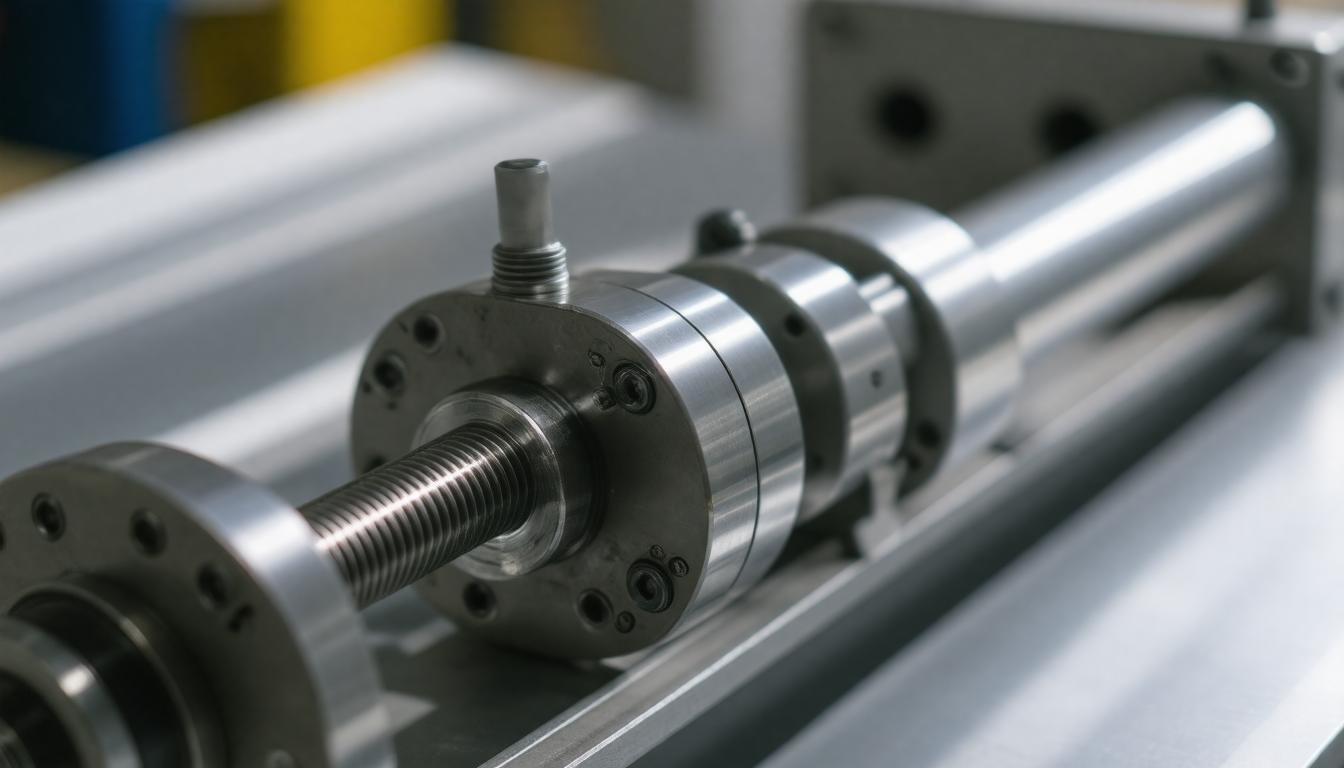
When machines need to move something in a straight line—whether it’s adjusting a robot’s arm or opening a valve—they rely
UK mainland delivery
Stock on hand in our UK warehouse
Online and phone support
Safe online payment options