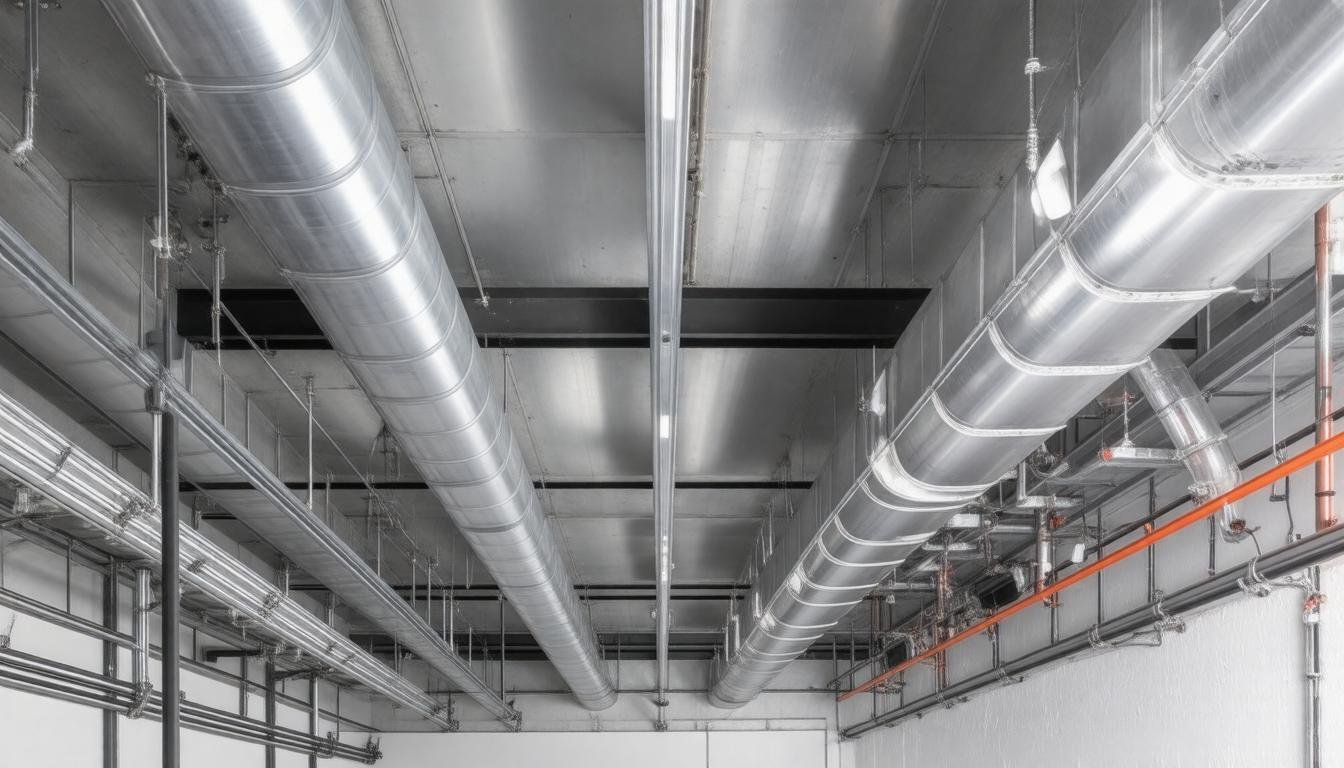
Commercial Smoke Ventilation Systems: Safety Solutions and Standards for Buildings
When it comes to keeping buildings safe during a fire, smoke is often the silent enemy. It spreads quickly, making

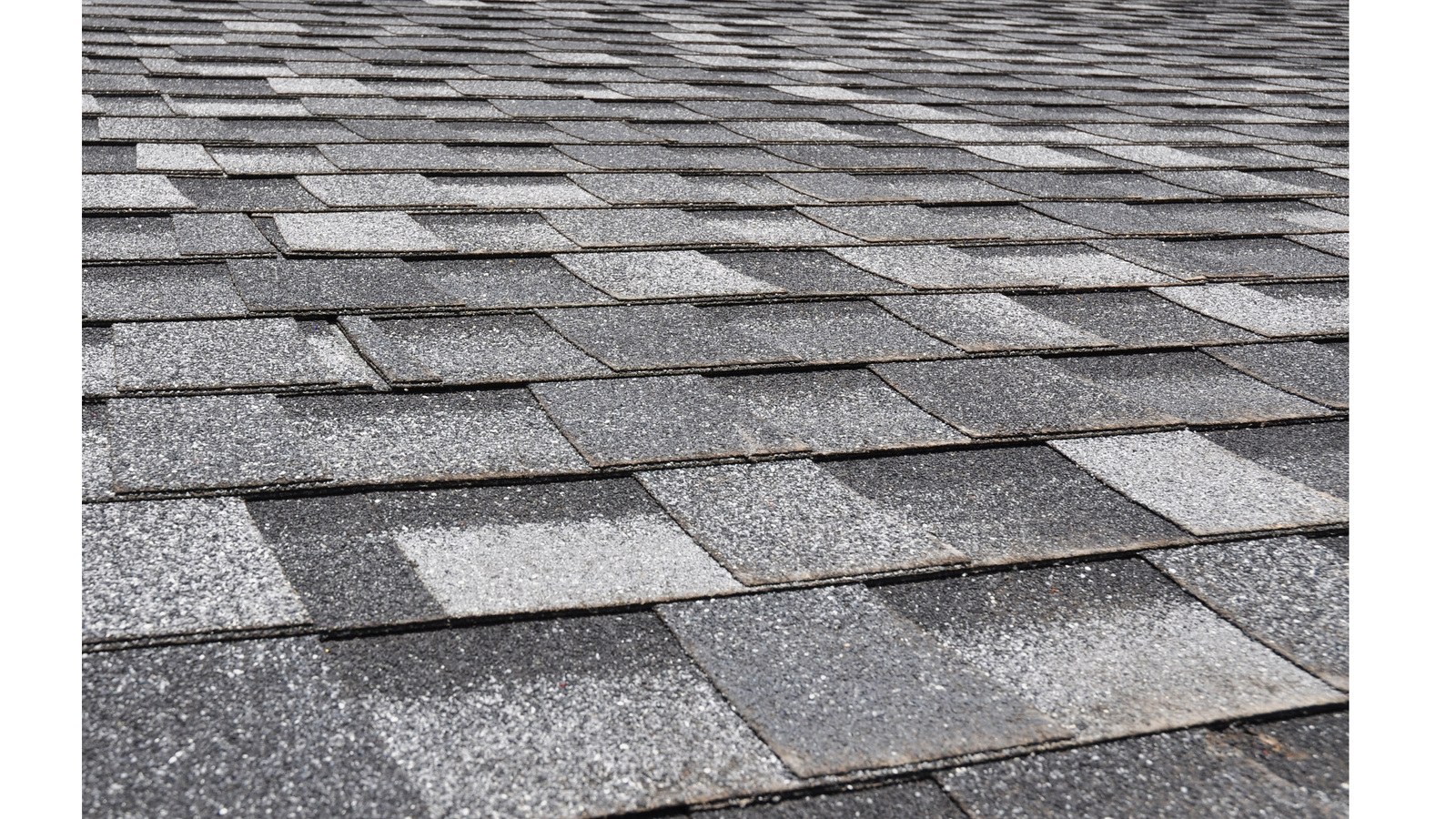
When it comes to brightening up your home with natural light, you might think roof windows are all pretty much the same. But once you start digging in, you’ll find rooflights and skylights each have their own style, strengths, and quirks that can make a big difference depending on your roof and what you want from your space. Choosing between them isn’t just about looks—it’s about how they fit your roof’s shape, how they handle weather, and whether you want fresh air as well as sunshine. Let’s break down these differences clearly so you can pick the right option without any guesswork.
Rooflights are glazed units typically installed on flat roofs or mounted out of plane on pitched roofs using a kerb system to ensure proper water runoff, whereas skylights generally refer to windows set directly into pitched roofs, often flush with tiles and sometimes electrically operated for ventilation. Both serve to increase natural light indoors, but their design, installation methods, and ventilation options differ based on roof type and aesthetic preferences.
At first glance, rooflights and skylights might seem like just fancy windows on the roof, but their differences run much deeper, affecting everything from installation to performance. Rooflights are usually flat or slightly curved glazed panels mounted flush on flat roofs or low-pitched surfaces. This design uses a kerb system—a raised frame—that helps water drain away efficiently, preventing pooling that could cause leaks over time.
On the other hand, skylights are typically installed on pitched roofs where they sit within cut-outs surrounded by flashing kits that blend seamlessly with the surrounding tiles or slates. Unlike rooflights, skylights often project above the roofline and may feature mechanisms for opening, giving you both natural light and ventilation options. This physical distinction means skylights have more complex waterproofing needs to avoid leaks caused by driving rain or wind-blown moisture.
The materials used further distinguish these two. Rooflights frequently employ sleek aluminium or uPVC frames supporting toughened glass or polycarbonate panels aimed at durability and insulation. Skylights might include specialised laminated safety glass with options like solar control coatings or triple glazing to improve heat retention and reduce glare—features especially valuable in rooms prone to overheating or privacy concerns.
Energy efficiency is another critical aspect. Rooflights typically boast slightly better U-values due to their flush installation and robust thermal breaks in framing. Skylights, while highly functional, can be less efficient due to their protruding frames and complexity in sealing around operable parts. Choosing between them involves balancing how much natural light you want against your insulation priorities.
When it comes to maintenance, rooflights usually require less effort due to their straightforward design—cleaning the flat surface regularly is enough to keep them clear of grime and leaves. Skylights demand more vigilance; debris can accumulate around seals, and moving parts need periodic servicing to remain weather-tight and functional, particularly if equipped with electric openers.
From a fire safety perspective—an important consideration here in the UK—rooflights often incorporate fire-rated upstands designed to prevent flames from spreading across flat roofs. Conversely, skylights use specially manufactured flashing kits compliant with fire protection standards to ensure they don’t become weak points in your roof’s defences.
| Aspect | Rooflight | Skylight |
|---|---|---|
| Installation Type | Flush-mounted on flat roofs with kerb | Inserted into pitched roofs with flashing kits |
| Typical Location | Flat or low-pitched roofs | Steeply pitched roofs |
| Ventilation | Usually fixed (non-opening) | Often operable (manual/electric) |
| Frame Materials | Aluminium/uPVC | Aluminium/wood |
| Glazing Options | Double/triple glazed glass/polycarbonate | Laminated safety glass, solar-control glass |
| Waterproofing | Kerb system aids drainage | Flashing kits critical for sealing |
| Maintenance | Easier: clean surface only | More involved: seal checks & upkeep |
| Fire Protection | Fire-rated upstands required | Fire-resistant flashing kits |
Before committing to either option, consider your roof’s pitch, your desire for ventilation, energy efficiency preferences, and maintenance willingness.
In many cases, flat roofs naturally call for rooflights because their design maximises drainage without compromising appearance or function. Conversely, pitched roofs are an ideal match for skylights that can create a sense of openness while allowing fresh air circulation when needed.
Understanding these distinctions equips you with the knowledge to select the ideal daylight solution tailored specifically for your home’s architecture and your lifestyle demands. Whether it’s the subtle sophistication of a rooflight or the classic charm of an operable skylight, making the right choice lays the foundation for years of comfort and natural illumination.
Having explored how these two roofing options differ in form and function, it becomes clear why their benefits vary as well. The next discussion will illuminate how these daylight solutions enhance living spaces and optimise energy use.
Both rooflights and skylights transform indoor spaces with natural light, but their benefits extend beyond illumination alone. One of the most compelling reasons to include them in your home is the positive impact on health. Sunlight streaming through these windows doesn’t just brighten rooms; it actively contributes to our well-being by boosting serotonin levels, which can improve mood and enhance productivity.
Imagine preparing meals under a sunlit rooflight that reflects off kitchen surfaces, creating a lively atmosphere that reduces reliance on harsh artificial lighting. This subtle, natural enhancement can influence your day more than you might expect.
Following health benefits, there are significant energy efficiency advantages to consider. Rooflights, with their flush installation on flat or gently sloped roofs, can reduce your reliance on electric lighting by up to 30% during daytime hours — a meaningful cut in energy bills.
Skylights typically offer superior ventilation features, particularly when opening mechanisms like rain sensors or electric controls are incorporated. This ventilation promotes airflow, which can lower cooling costs by roughly 15% during warmer months by letting hot air escape and fresh air circulate naturally, helping maintain comfortable indoor temperatures without excessive air conditioning.
Privacy and aesthetics also play crucial roles in choosing between these two options. In densely populated urban areas, rooflights have a clear edge: they admit abundant daylight without compromising privacy because their position on flat or low-pitched roofs means neighbouring views rarely intrude.
Conversely, skylights often blend elegantly with traditional pitched roofs, maintaining architectural charm while flooding upper-floor rooms with light. Their slightly protruding design connects seamlessly with classic roofing materials like slate or tile, preserving curb appeal and adding value to heritage-style homes.
To summarise these advantages clearly:
| Benefit | Rooflights | Skylights |
|---|---|---|
| Health Impact | Boost mood and productivity via natural light | Same benefits with added ventilation |
| Energy Efficiency | Reduce lighting costs by up to 30% | Enhance ventilation, can reduce cooling costs by ~15% |
| Privacy | Ideal for tight spaces, urban settings | Better suited for less dense settings |
| Aesthetic Appeal | Sleek modern profiles | Integrate well with pitched roofs and heritage styles |
Understanding these benefits helps homeowners tailor choices according to lifestyle and architectural needs. For instance, if maximising daylight while safeguarding privacy is your priority in an urban environment, a well-glazed rooflight could be the perfect fit. Meanwhile, if you seek classic aesthetics combined with natural ventilation in a loft or attic conversion, an operable skylight offers functionality matched with style.
Beyond these overarching advantages, selecting the right type of rooflight or skylight—whether fixed or opening, glass or polycarbonate—further refines how effectively you harness daylight and fresh air within your home. This understanding leads naturally into exploring the various styles and functionalities available on the market today.
Rooflights come in a variety of designs tailored to different architectural needs and lighting goals. Each type brings unique advantages that can transform your space, both functionally and aesthetically, if chosen wisely. Understanding these differences not only helps select the right product but ensures optimal daylighting and energy efficiency.
Sun tubes are ingenious solutions when traditional rooflights won’t fit due to space or structural constraints. Imagine trying to infuse natural light into a narrow hallway or an internal bathroom without an exterior wall window—sun tubes make this possible. They use highly reflective, curved tubing that channels sunlight from the roof into deep interior spaces.
This method is effective without requiring large openings or complex installations. From an energy perspective, they reduce reliance on artificial lighting during the day, saving on electricity bills while brightening those otherwise gloomy spots.
For homeowners with spacious, open-plan living areas, roof lanterns offer a grand way to welcome daylight. These structures are composed of multiple glass panels arranged in a pyramidal or rectangular shape that sit atop flat roofs or extensions.
Their design captures light from various angles, flooding interiors with natural illumination throughout the day. Beyond lighting benefits, roof lanterns often become stunning architectural focal points enhancing the room’s visual appeal.
They can be customised in size, frame material, and glazing options—which nowadays include triple-glazing and smart glass coatings for superior thermal performance, as highlighted by innovations seen across Mercor-UK’s projects.
Moving beyond traditional glazing options, walk-on rooflights combine natural lighting with structural strength. These robust units are built from toughened laminated glass designed to withstand foot traffic safely.
When installed in terraces or balconies, they provide light beneath floor levels while maintaining a walkable surface above. This type suits modern homes and commercial spaces where maximising daylight without sacrificing usable outdoor area is crucial.
Additionally, high-quality seals and durable materials ensure longevity even under challenging weather conditions—a must-have feature validated by UK building standards.
| Type | Ideal For | Key Benefits |
|---|---|---|
| Sun Tubes | Internal bathrooms, corridors | Maximises light in small spaces |
| Roof Lanterns | Open-plan areas | Customizable; delivers light from multiple angles |
| Walk-On | Terraces | Supports pedestrian traffic; aesthetic appeal |
Similarly, exploring various skylight options will guide you toward the best fit for your pitched roof’s unique structure and lighting needs.
Skylights present a variety of design options, each crafted not only to illuminate interiors but also to serve specific practical functions. The simplest type, fixed skylights, are essentially stationary windows set into the roof. These skylights excel at flooding spaces with natural light, making them an excellent choice for areas like stairwells or attics where ventilation is less critical. Because they don’t open, they offer superior insulation and tend to have fewer maintenance issues over time. However, their lack of airflow means they aren’t best suited for rooms prone to moisture build-up.
Moving from purely functional to more versatile, ventilating skylights introduce a design element that can be opened, often via remote control or manual mechanism. This feature allows fresh air circulation alongside daylight, effectively reducing humidity and improving indoor air quality—a huge benefit in kitchens and bathrooms where steam and odours can accumulate quickly. Their dual functionality strikes a balance between comfort and efficiency, helping maintain healthier rooms without sacrificing the light essential for bright interiors.
Then there are tubular skylights, which are remarkable solutions for lighting smaller or more challenging spaces such as closets or hallways where traditional skylights would be impractical due to roof structure or size constraints. These compact tubes channel sunlight through reflective tubing down into rooms below, diffusing the light gently without the need for bulky installations. Because of their minimal footprint on the roof surface, tubular skylights avoid extensive remodelling or waterproofing challenges.
For homeowners or architects with distinctive tastes or unique spatial requirements, custom skylights offer an opportunity to break free from standard shapes and sizes. These bespoke designs can follow unusual roof pitches or mimic architectural motifs, adding a strong visual statement while still serving their fundamental purpose of brightening interiors naturally. Custom skylights require thoughtful planning to ensure proper sealing and integration with structural elements, but when executed well, they elevate both the aesthetics and value of a property.
Understanding these different skylight designs helps inform decisions that suit not just your lighting needs but also ventilation preferences and architectural style. Choosing wisely ensures you enjoy both the beauty of daylight and comfort throughout your home year-round.
With these design options in mind, it’s equally critical to pay attention to correct installation practises that uphold safety regulations and protect your investment over time.

Installing a rooflight is a task that demands both precision and care. The first step is to assess the roof structure thoroughly. Not every roof is created equal, and some may require reinforcement to safely bear the added weight of a rooflight.
It’s not just about placing glass on your roof but ensuring your home’s framework can support it without risk. When in doubt, consulting a structural engineer can save you from costly damage down the line or even safety hazards.
Once the structure is deemed suitable, the next stage is to cut an opening in the roof. This isn’t as simple as drawing a rectangle and sawing through—it involves careful measurement to accommodate the kerb system that will frame and support the rooflight.
Precision here prevents gaps that could lead to leaks or heat loss. You want to leave enough room so that the kerb can be securely installed without forcing or altering your existing roof materials.
Speaking of the kerb system, this component plays a vital role beyond mere support: it acts as a water barrier.
When properly fitted around your rooflight opening, the kerb directs rainwater away from vulnerable edges, reducing the chance of water ingress into your home. This step can’t be rushed or overlooked because poor kerb installation is a common cause of leaks years after installation.
Using durable, weather-resistant materials for the kerb ensures reliability through seasonal changes.
After securing the kerb, you move on to fixing the rooflight itself onto this base.
This appeals for using appropriate fasteners, usually stainless steel screws or bolts, that resist corrosion over time. Once fastened, applying high-quality weatherproof sealants around the perimeter seals out moisture and drafts.
Don’t underestimate this phase—proper sealing protects your investment by preserving thermal efficiency and preventing damage caused by leaks or wind-driven rain.
Inside the home, internal finishing wraps up your installation project. This involves plasterboarding around the new window, blending it into your ceiling or loft space seamlessly.
A carefully finished interior not only looks clean and professional but also enhances insulation and energy efficiency by eliminating air gaps. Adding decorative trims or paint further integrates the rooflight into your living space aesthetically.
Throughout this entire process, keep one key point in mind: compliance with fire safety regulations is crucial.
Depending on your property’s location and building codes, you might be required to use fire-rated materials around your rooflight installation—particularly if located near combustible roofing components or in designated fire zones.
Checking local regulations before purchasing materials or starting work can save headaches later.
Always opt for certified installers familiar with flashing techniques specific to rooflights to avoid common pitfalls like improper water drainage or compromised structural integrity.
While installing skylights shares many steps with rooflights, such as weatherproofing and structural checks, their operation and placement introduce nuanced differences worth understanding next.
Installing skylights on a pitched roof demands careful planning and respect for the existing roofing structure. It isn’t just about cutting holes and setting glass panes; it’s an exercise in balancing architectural precision with effective waterproofing and insulation. Your first task is to determine the perfect placement. This means looking beyond mere aesthetics or where sunlight falls. You must evaluate your roof’s anatomy—avoid areas laden with heavy trusses or rafters as cutting through them can compromise structural integrity, not to mention add to repair costs. Opt for a spot that allows ample daylight but also ensures the roof remains strong and safe.
Once you’ve identified that ideal location, the next step is delicate but crucial: creating an opening. Using precise measurements aligned perfectly with your skylight’s dimensions is key. Any mismatch here risks water infiltration, drafts, or energy loss once installed. Think of it like tailoring a suit—the fit has to be exact for both form and function. Cutting into roofing materials requires professional tools and expertise, especially to minimise damage to surrounding shingles or tiles.
After sculpting that ideal opening, your attention turns to protection against the elements—installing flashing kits is the cornerstone of this phase.
Flashing acts as the fortress shielding your home from rainwater. These metal or plastic components wrap around the skylight’s edges, directing water safely away and preventing leaks that can wreak havoc inside your home. Proper flashing installation requires attention to every seam and junction; even minor mistakes can lead to persistent drips and costly damages later on. The right flashing should conform perfectly to both your roof type—whether pitched or flat—and the skylight frame itself.
With flashing securely in place, securing the skylight properly becomes the priority. The skylight must sit tightly within its opening; any gaps may allow warm air to escape or cold drafts to invade, undermining your home’s energy efficiency. Using manufacturer-recommended fasteners and weatherproof sealants ensures a durable and airtight fit. This step demands patience as installers check levelness, alignment, and sealing all around before declaring it set.
Wrapping up this meticulous external work brings us indoors, where interior finishing creates a seamless transition between your ceiling and new skylight.
Inside your home, you’ll want drywall or plaster carefully fitted around the skylight’s frame so it looks custom-made rather than an afterthought. Smooth painting blends it further into existing surfaces, letting natural light flood in without distraction. Beyond aesthetics, proper interior finishing also contributes to insulation, blocking unwanted heat loss during colder months.
Always confirm that materials used during every installation phase adhere strictly to local building codes and fire safety regulations—a vital safeguard against future legal complications or hazards in your home.
Armed with insights on installing these luminous features flawlessly, considering which option aligns with your home’s design and functional needs becomes easier. The pathway now opens toward identifying the lighting solutions that will truly transform your living spaces.
When it comes to deciding between a rooflight and a skylight, the choice hinges not just on style but on practical considerations rooted in your home’s architecture and how you use each room. The very shape of your roof plays a significant role. For example, flat roofs naturally call for rooflights—their design complements these low-pitched surfaces by incorporating a curb system that ensures proper drainage and prevents leaks.
On the other hand, skylights thrive on pitched roofs where their angled positioning channels rainwater smoothly away, reducing maintenance hassles over time.
Understanding this distinction is essential because installing a skylight on a flat roof without the right adaptations often leads to water pooling and potential leaks—something every homeowner wants to avoid. Rooflights engineered specifically for flat roofs come with innovations such as curved glass or raised frames to combat these issues effectively, turning structural challenges into advantages by maximising daylight entry even where angles are minimal.
Beyond the roofline, the functionality of the room itself should influence your decision strongly.
Think about what the space is used for: kitchens and bathrooms benefit greatly from ventilating skylights that open to release steam and odours, helping maintain indoor air quality. These spaces demand airflow as much as light.
Conversely, living rooms and bedrooms often fare better with fixed rooflights that offer ample, consistent illumination without the complexity of moving parts. The fixed nature reduces maintenance and seals tightly against weather but still floods rooms with natural light, enhancing mood and cutting down energy costs.
This tailored approach means you’re not just adding an architectural feature—you’re thoughtfully enhancing each room’s comfort and utility. By aligning your skylight or rooflight choice to how the room functions daily, you ensure you get both great design and smart practicality.
Naturally, budget considerations loom large in any home improvement project.
It’s worth noting that rooflights often carry a higher upfront price tag—anywhere from 20 to 30 percent more than traditional skylights—mainly because of their more complex kerb systems required for installation on flat roofs and weatherproofing.
Yet homeowners who think long-term know better; many report that despite this initial investment, increased natural light reduces reliance on artificial lighting, leading to noticeable savings on energy bills over time. This trade-off illustrates a common truth: quality upfront pays dividends in comfort and economy later.
“While rooflights were initially more expensive, the increased natural light and reduced energy bills made it a worthwhile investment,” shared a satisfied homeowner from Manchester.
For tailored recommendations perfectly aligned to your home’s structure and fire safety standards, Mercor UK offers expert guidance. Visit our website at mercor-uk.co.uk to explore solutions designed with safety and style in mind—because natural light should never come at the cost of security or peace of mind.
Choosing your ideal lighting solution thus becomes a balance of architectural constraints, lifestyle needs, and financial planning—all anchored in smart design decisions that last for years.
Selecting between a rooflight and skylight means weighing your roof type, room function, and budget carefully. By making informed choices guided by expert advice like that from Mercor UK, homeowners can enjoy bright, comfortable spaces that offer both style and long-term value. Request a quote today at https://mercor-uk.co.uk/request-a-quote/ to start illuminating your home the right way.
Installing a rooflight generally costs 10-20% more than a skylight due to its larger size and increased customization options, like wider glass panels and bespoke framing; while skylights typically range from $800-$1,500, rooflights can push upwards of $1,200-$2,000. However, the added natural light and ventilation benefits from rooflights often justify the extra investment, especially in larger rooms or loft conversions.
When it comes to energy efficiency, rooflights generally edge out skylights because they’re designed with advanced glazing options and better insulation to minimise heat loss and solar gain. High-performance rooflights can reduce energy costs by up to 30% compared to traditional skylights, thanks to features like double or triple glazing and thermal breaks. So if you want to keep your heating bills low while still letting the sunshine in, rooflights are typically the smarter, more wallet-friendly choice.
Yes, while rooflights and skylights often fall under similar building codes related to structural integrity, weatherproofing, and safety glazing, some jurisdictions differentiate based on their size and placement—rooflights typically have stricter ventilation and fire escape regulations due to their larger size. For example, in the UK, building regulations Part F (ventilation) and Part B (fire safety) can apply differently, with 35% of rooflight installations requiring additional fire-rated glazing compared to only 15% for skylights, emphasising the need to check local codes before installation.
Rooflights and skylights both brighten up your space effectively, but rooflights often edge out skylights in natural light delivery thanks to their larger surface area and optimal placement; studies show rooflights can increase indoor daylight by up to 30% more than standard skylights. When it comes to ventilation, skylights typically win because they’re designed to open wider and facilitate better air circulation, cutting down on stuffiness—ideal for kitchens or bathrooms craving a breeze. So, if sunlight is your priority, think rooflight; if fresh air rules, lean skylight!
Rooflights are typically flat or slightly curved glass panels installed flush with a roof’s surface, offering a sleek, modern look and easier integration into contemporary flat roofs; skylights, on the other hand, are usually dome-shaped or pitched and protrude above the roofline, making them better suited for traditional pitched roofs; installation-wise, rooflights require precise flashing to prevent leaks on flat surfaces, while skylights involve cutting and framing roof openings with attention to waterproofing around the raised frame—studies show that properly installed rooflights can reduce energy costs by up to 15% thanks to their optimised daylight penetration.
When it comes to keeping buildings safe during a fire, smoke is often the silent enemy. It spreads quickly, making
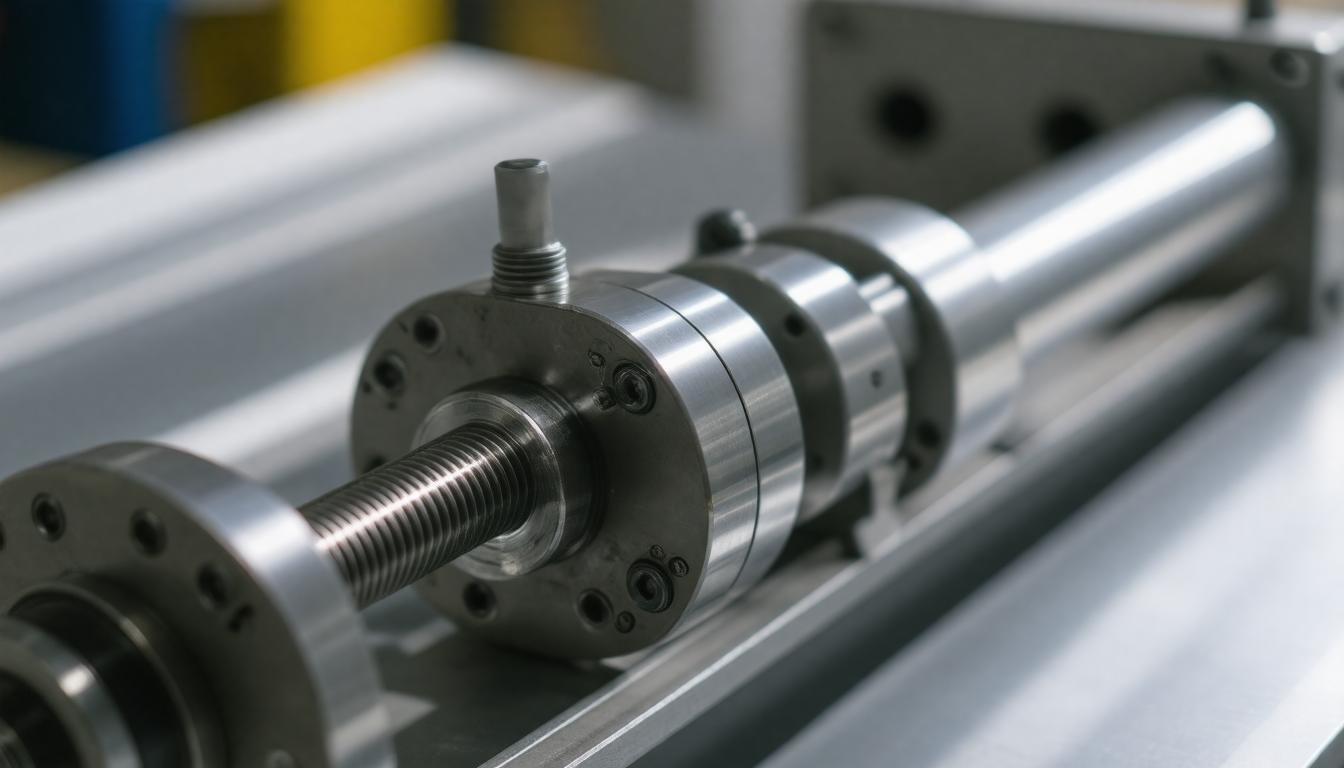
When machines need to move something in a straight line—whether it’s adjusting a robot’s arm or opening a valve—they rely