
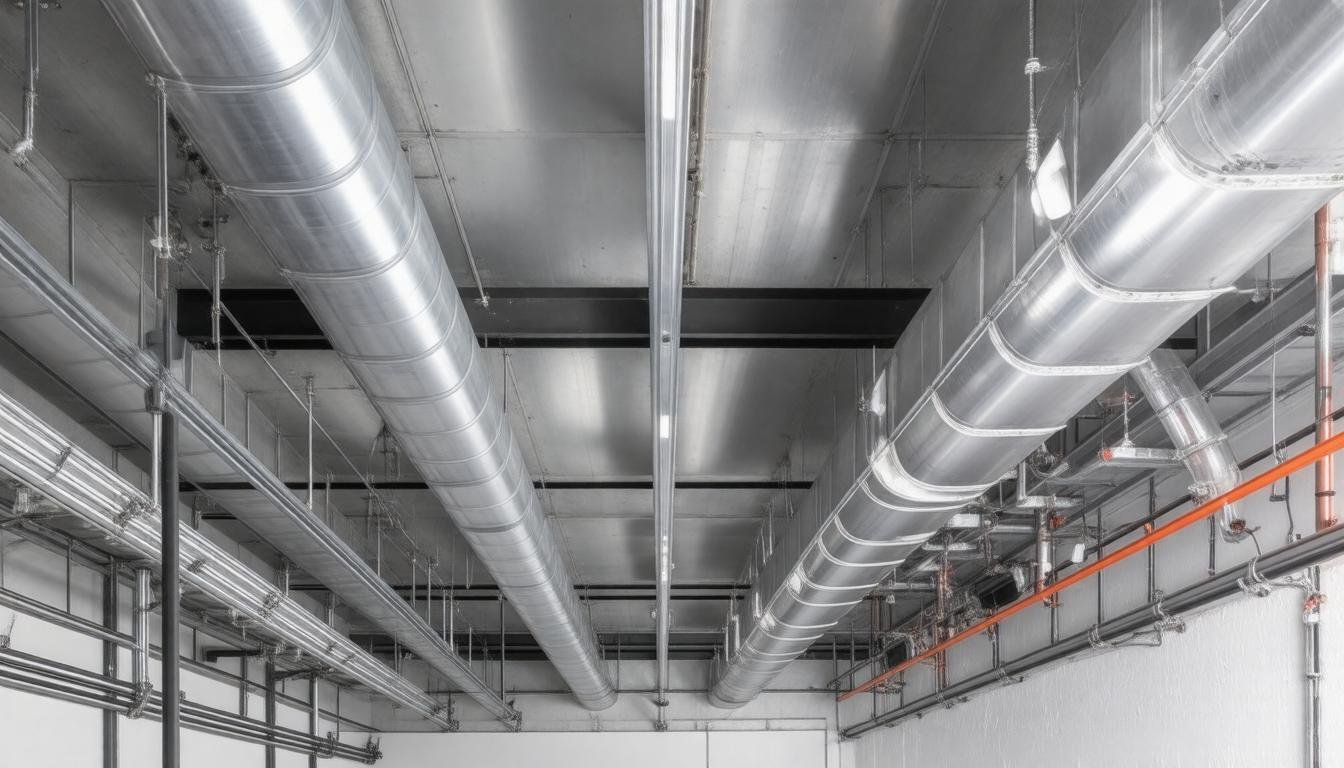
Commercial Smoke Ventilation Systems: Safety Solutions and Standards for Buildings
When it comes to keeping buildings safe during a fire, smoke is often the silent enemy. It spreads quickly, making
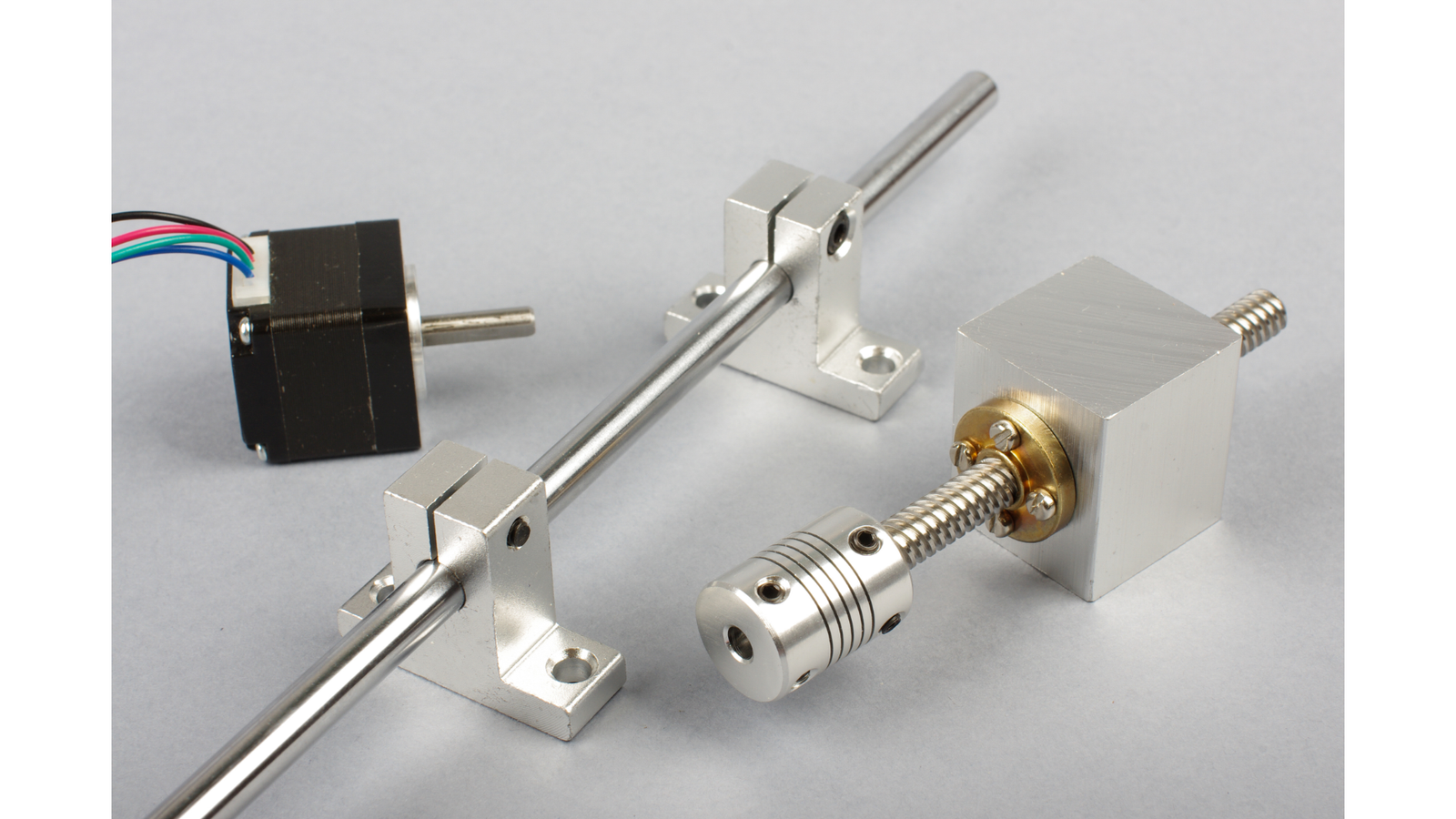
Choosing the right actuator for your fire protection systems may seem straightforward at first just pick a size and type that fits, right? But in reality, there’s quite a bit more to it. Factors like how much force you need, what kind of movement is required, and the environment where the actuator will work all play important roles in making sure your system operates safely and reliably. Getting this right can be confusing, so we’ve put together clear expert tips and practical examples from Mercor Fire Protection UK to help guide you through the process step by step.
Choosing the right actuator size and type involves assessing the load characteristics, required motion (linear or rotary), stroke length, force or torque needs, and operating environment—especially for fire protection applications. At Mercor Fire Protection UK, we recommend factoring in damper dimensions, airflow requirements, control panel compatibility, and safety standards to select actuators that provide reliable performance under both static and dynamic loads; our technical team offers full support to ensure precise sizing and seamless integration.
When sizing an actuator, the starting point is often deceptively simple: calculating how much force is required to move your load. Imagine needing to operate a damper in a smoke ventilation system, which might weigh around 50 kg.
To determine the force, you rely on Newton’s basic formula, ( F = ma ) — force equals mass times acceleration. Here, acceleration isn’t just gravity acting downward; you must also factor in resistance from friction in bearings, seals, and any drag due to environmental conditions like soot or corrosion. In practise, this means the pure weight of the damper gives you a baseline, but real-world forces tend to be higher.
For instance, a damper’s static weight would give a starting calculation: 50 kg × 9.81 m/s² (acceleration due to gravity) = approximately 490 N. But if components resist movement due to sticking or heavy seals designed for fire protection integrity, that number grows.
The actuator needs to overcome all these forces smoothly without strain or failure.
Next, it’s vital to distinguish between static and dynamic loads—a distinction that often surprises newcomers to actuator selection.
A static load is like holding a door open steadily; the force remains constant.
However, dynamic loads come into play during actual movement—starting the motion, stopping it abruptly, or overcoming variable resistance introduces spikes in force requirements.
This difference matters immensely because actuators sized solely by static load risk underperforming when those sudden surges appear.
For fire safety devices like automatic opening vents (AOVs) or lobby dampers distributed by Mercor UK, the system must respond rapidly and reliably under potentially harsh conditions.
Here dynamic loading can multiply required forces by 1.5 to even 3 times compared to static scenarios.
Recognising these nuances enables you to pick an actuator robust enough not only for everyday function but also for exceptional moments where performance truly counts.
To translate this understanding into practical selection criteria, always build in a generous safety margin—typically between 25% and 50% above your calculated maximum force.
This cushion accounts for unforeseen variations such as wear over time, temperature-induced changes affecting material stiffness, or momentary increased loads due to debris accumulation.
So if your calculations indicate a necessary force of about 200 N for your damper movement, selecting an actuator capable of handling at least 250-300 N provides peace of mind and durability.
This margin ensures that actuators used in critical fire protection systems maintain reliable function through their service life without frequent replacements.
“In fire safety applications, undersizing is not an option—you’re safeguarding lives and property.” – Industry Experts at Mercor UK
By factoring in realistic load conditions and generous safety margins upfront, you minimise risks of mechanical failure while optimising actuator longevity and performance.
This strategic approach aligns perfectly with Mercor’s commitment to supplying high-quality fire protection actuators tailored precisely for demanding environments across the UK market.
With these fundamental calculations in hand, next steps involve considering stroke length and mounting geometry—but correctly sizing based on force forms the backbone of successful actuator selection.
Before moving on to ways force influences choosing actuator types, it’s important to understand how different power sources impact performance and suitability in various applications.
When deciding which actuator to use, it’s essential to consider the environment and functional demands of your system. Each type—pneumatic, electric, and hydraulic—has strengths and trade-offs that can significantly impact performance, maintenance needs, and cost-effectiveness.
Pneumatic actuators operate using compressed air to create motion. Their appeal lies in their simplicity and speed; they swiftly convert air pressure into mechanical movement without complex controls. This makes them invaluable in situations where a quick response is vital—for example, in fire safety systems such as smoke ventilation AOVs (Automatic Opening Vents).
The rapid actuation helps clear smoke paths instantly during emergencies, potentially saving lives. Additionally, pneumatic actuators require fewer electronic components, meaning less susceptibility to electrical faults or interference—a significant advantage in industrial settings where reliability counts most.
However, this simplicity comes with limitations: pneumatic actuators often lack fine control needed in precision applications. They work best where on-off cycling or straightforward linear motion suffices rather than delicate positioning tasks.
The energy source—compressed air—also demands a robust infrastructure including compressors and air treatment units, factors that can add upfront costs and complexity.
In contrast, electric actuators utilise electric motors to deliver controlled motion. Their hallmark is precision; fine-tuned adjustments are possible down to fractions of a millimetre or degree of rotation. This makes electric actuators particularly suited for applications requiring accurate positioning or variable speed control—such as advanced AOVs used in fire protection systems fitted within modern buildings.
Electric actuators operate quietly and cleanly, without the noise or maintenance associated with pneumatic compressors or hydraulic pumps. They often integrate seamlessly with smart sensors and building management systems for real-time feedback and remote control—a trend growing rapidly as IoT adoption increases.
The trade-off? Electric actuators can carry higher upfront costs and may be more sensitive to environmental factors like moisture or dust if not adequately protected.
Hydraulic actuators are known for delivering substantial force through pressurised fluid. When powerful movement capable of handling heavy loads or high torque demands is needed—common in industrial fire safety installations such as large dampers or gate valves—hydraulic actuators excel.
Their robust nature allows smooth operation under extreme conditions where other actuator types might falter.
But this power carries added bulk; hydraulic systems require reservoirs, pumps, and piping that make them less practical for tight spaces or simpler setups. Maintenance tends to be more involved due to potential fluid leaks and system contamination risks.
Balancing these considerations often means weighing operational priorities against installation constraints—whether speed matters more than precision, or power outweighs compactness.
Experience working closely with fire protection engineers at Mercor UK shows it helps to start by clearly defining what your actuator must achieve: Is fast emergency response paramount? Then lean toward pneumatics. Need exact control integrated with building automation? Electric actuators are likely your best bet. Handling heavy-duty equipment? Hydraulics probably fit the bill.
Also consider long-term factors like energy consumption—electric actuators consume up to 40% less energy than pneumatic alternatives—and integration challenges with legacy systems when choosing smart-enabled solutions.
By carefully matching actuator characteristics to your system’s needs—not just specs on paper—you ensure safer installations while optimising costs and reliability over time.
These technical choices open up further questions about how environmental variables affect actuator performance and durability. Next, we explore how operational surroundings influence actuator selection and system design decisions.
When it comes to choosing an actuator, the environment where it will operate is a defining factor. Actuators are precise mechanical devices, but they aren’t invincible. Factors like temperature, dust, moisture, and even potential fire hazards heavily influence performance and longevity.
For example, electric actuators generally have a safe operating temperature range roughly between -20°C to +60°C. Step outside that window—say in extremely cold storage facilities or near industrial furnaces—and their efficiency can drop dramatically or they may fail altogether. If you’re working with conditions beyond these ranges, pneumatic or hydraulic actuators often become preferable options due to their broader tolerance.
Moving from temperature to environment cleanliness reveals another set of concerns that impact actuator reliability.
Dust and moisture are formidable foes for actuators. Imagine an actuator working tirelessly near heavy equipment that churns up fine dust, or outdoors where rain and humidity are constant companions—without proper protection, internal components can corrode or jam.
That’s why it’s vital to choose actuators with suitable Ingress Protection (IP) ratings. An IP rating defines how well the device resists particles and water intrusion.
| IP Rating | Description |
|---|---|
| IP65 | Dust tight and protected against low-pressure water jets |
| IP67 | Dust tight and protected against immersion in water for brief periods |
Mercor Fire Protection UK often recommends IP67-rated actuators for demanding applications to ensure uninterrupted operation during emergencies.
Yet, environments posing risks of fire or explosion require an even higher level of care when choosing actuators.
In zones where flammable gases or combustible dust could ignite, simply selecting a robust actuator won’t suffice. Explosion-proof actuators are specifically designed to contain any sparks or heat generated within, preventing ignition of hazardous atmospheres around them.
These devices come with ATEX and IECEx certifications that guarantee compliance with stringent safety regulations in chemical plants, oil rigs, or manufacturing facilities handling volatile substances.
The importance extends beyond durability; incorrect actuator selection might lead to catastrophic failures risking lives and significant property damage.
Thus, before deciding on actuator specifications, assess the operational environment comprehensively: consider ambient temperatures, moisture levels, dust presence, and potential explosive atmospheres.
This evaluation guides you towards choosing not just the correct actuator type (electric, pneumatic, hydraulic), but also one with appropriate material construction—such as stainless steel casings for corrosion resistance—and necessary protective ratings for your application.
“An actuator is only as reliable as its compatibility with its environment,” a principle Mercor UK embodies by advising customers through every step of product selection to ensure safety and efficiency.
Beyond environmental factors, operational demands such as duty cycles and control system compatibility further shape actuator choice—a topic we’ll explore next.
The level of precision and control your application demands shapes the very core of which actuator will perform best. When it comes to fire protection systems—such as Automatic Opening Vents (AOVs) or smoke ventilation dampers—the stakes are high. Not just any actuator will do. You need one that can reliably position components with consistent accuracy, responding instantly when safety depends on it. That means actuators equipped with feedback systems become vital players in this arena.
Feedback mechanisms embedded within actuators, such as encoders or potentiometers, act as the system’s eyes and ears. They constantly relay position or speed data back to a control unit, ensuring movements are executed exactly as planned. Without feedback, you risk operating blind—leading to potential over-extension or incomplete opening which could compromise smoke extraction effectiveness during a fire event.
This is why in Mercor Fire Protection’s mechanical smoke ventilation solutions, including their mcr WIP LD lobby dampers or mcr LAM Roof Louvres, actuators with precise feedback ensure algorithms adjust damper blades with pinpoint accuracy. The result? Optimal airflow management that adheres to strict safety standards.
Equally important is how smoothly these actuators operate throughout each cycle—not only for performance but also for longevity.
Actuators featuring variable speed control add an additional layer of finesse by allowing gradual starts and stops instead of abrupt motions. This subtle control prevents shocks to both the actuator and connected components, drastically reducing wear over time. Gradual acceleration and deceleration help avoid mechanical stress while maintaining quiet operation—factors often underestimated but crucial within buildings where nuisance noise matters.
Integrating variable speed actuators does introduce greater system complexity, especially in fire protection setups where simplicity often translates to reliability. However, opting for models that offer seamless integration with existing control panels can provide the best of both worlds: smooth operation without added complication.
Looking beyond traditional controls, emerging technologies are further elevating precision and connectivity standards.
In today’s rapidly evolving fire safety landscape, smart actuators take things a step further by combining digital controls with real-time connectivity features like IoT integration. These advanced units enable continuous monitoring of position status, fault detection, and even predictive maintenance alerts sent directly to facility managers or control centres.
This level of insight not only improves reliability but also speeds up response times during critical incidents. At Mercor Fire Protection UK, smart actuator solutions support modern building management systems by allowing remote diagnostics and rapid troubleshooting—key advantages when minimising downtime in safety-critical environments.
As fire protection regulations evolve alongside technology, embracing smart actuators ensures your system remains compliant while delivering superior precision and control across all operational scenarios.
When selecting actuators for your project, consider how much precision and feedback you truly need—not every application requires ultra-fine positioning—but knowing the options allows you to tailor your solution perfectly. Partnering with suppliers like Mercor UK means benefiting from expert advice on matching actuator specifications precisely to damper size, load conditions, and system control capabilities.
In essence, choosing an actuator isn’t just about power—it’s about how intelligently it moves and communicates within your fire protection system for unquestionable safety assurance.
Understanding these precision demands sets the stage for a detailed approach to match actuator selection perfectly to your needs. Next, we’ll explore a methodical process that breaks down each step needed to choose an actuator suited exactly to your application requirements.
Choosing the correct actuator isn’t a matter of guesswork—it requires a methodical approach rooted in understanding your application from top to bottom. The first step involves clearly identifying your application requirements. This means asking yourself what exactly the actuator needs to do. Will it move a damper, tilt a hatch, or lift a platform?
You need to specify:
Beyond these mechanical factors, consider the environment where it will work—will it face extreme temperatures, dusty conditions, or fire safety regulations? Defining these early conditions is crucial since it shapes every subsequent decision.
Once you have a solid grasp of what you need mechanically and environmentally, the next logical move is to quantify those needs in terms of force.
Calculating the required force or torque is a critical step that often trips up newcomers. The key here is to factor in not just the weight or load itself but also acceleration forces and friction that can add extra resistance.
For example, if you’re moving a heavy smoke ventilation damper, simply knowing its mass isn’t enough—you have to calculate the total dynamic forces acting against movement. This includes starting torque to overcome inertia, frictional losses in bearings, and sometimes external forces like wind pressure on louvres.
Always incorporate safety margins—an actuator should be rated above your calculated maximum force—to prevent overheating or premature failure under peak loads.
After understanding the load demands, choosing the type of actuator that best suits those demands naturally follows.
Selecting an actuator type hinges on operational requirements and environmental constraints.
Balancing these trade-offs with your project’s needs and site conditions helps narrow down choices effectively.
Having narrowed your options by type, compatibility with your existing system becomes paramount.
The fourth step is ensuring compatibility between your chosen actuator and existing control mechanisms and power supplies.
Overlooking this can lead to costly retrofits or suboptimal performance. At Mercor UK, we emphasise verifying these integration points early on.
Finally, don’t underestimate the value of expert guidance before making your final decision.
Consulting experienced professionals is more than just recommended—it’s often essential.
Expert advice can uncover nuances particular to your application that standard calculations miss. Whether sizing lobby dampers or specifying automatic opening vents (AOVs), seasoned consultants bring insight into selecting reliable actuators that comply with fire safety standards without overengineering costs.
At Mercor UK, we provide dedicated technical support to guide customers step-by-step, ensuring selections align perfectly with project specifications while offering rapid delivery within 3-5 working days across mainland UK.
| Step | Description |
|---|---|
| I | Identify Application Requirements |
| II | Calculate Required Force |
| III | Choose Type of Actuator |
| IV | Verify Compatibility |
| V | Consult Experts |
With these structured steps in hand, approaching actuator selection becomes a straightforward process rooted in informed decisions tailored to real-world demands. Next, we turn our focus toward practical examples illustrating how these principles come alive in actual applications.
When it comes to selecting the right actuator size and type, nothing beats understanding how these devices perform in actual settings. Take smoke ventilation systems in high-rise buildings, for instance. The stakes are particularly high here because every second counts when a fire breaks out. Electric actuators integrated into these systems provide precise control over ventilation vents, enabling them to open fully and quickly on signal from fire alarms.
This exactness isn’t just a convenience—it can literally save lives by clearing smoke efficiently, guiding occupants safely during emergencies.
This precision demands actuators that respond flawlessly and consistently under pressure. However, achieving this means balancing power with compactness since space within ductwork tends to be limited. Here, the latest trend in miniaturised electric actuators shines—offering powerful torque within a smaller footprint.
But engineers must carefully grade these actuators’ speed and torque to ensure they meet safety regulations without oversizing components unnecessarily.
Shifting industrial gears, fire dampers in manufacturing or warehouse environments present a different set of challenges.
Industrial fire dampers often require heavy-duty hydraulic actuators given the robust and weighty materials involved. These actuators excel in handling large damper surfaces reliably despite frequent cycling and sometimes harsh conditions such as extreme temperatures or corrosive environments.
Their durability ensures that when an emergency arises, fire dampers close promptly to contain fires and protect critical infrastructure.
Selecting hydraulic versus electric solutions here often comes down to load requirements and environmental tolerance. Hydraulic actuators offer steady force output and resilience but might carry higher maintenance overhead compared to electric counterparts.
For facilities managers, weighing these trade-offs is vital for both safety assurance and cost management over the system’s lifecycle.
Closer to home—and closer still to your nearest Mercor-UK office—recent projects provide further insight into practical actuator applications.
In a recent commercial building upgrade led by Mercor-UK, we installed pneumatic actuators throughout smoke control ducts. These particular actuators were chosen for their quick response times and reliability under fluctuating demand conditions typical of busy office environments.
Completing the retrofit within a week minimised disruption while significantly enhancing fire safety compliance for building occupants and inspectors alike.
What made this project successful wasn’t just the hardware—it was careful planning to match actuator capacity precisely with duct dimensions and operational requirements. Our installers worked hand-in-hand with facility managers to test actuator responsiveness and integration with existing alarm systems before finishing up.
Optimising this coordination is key; an oversized unit can strain energy resources, while undersized units risk failing critical activation tests.
From these examples, it becomes clear that choosing the right actuator involves understanding where it will operate and the specific performance parameters essential for safety-critical tasks. Always evaluate environmental factors like temperature, humidity, exposure to dust or chemicals, plus functional needs such as speed of actuation and force required.
Additionally, consider serviceability and integration capabilities—features that often distinguish top-tier systems from aftermarket fixes.
| Application | Actuator Type | Key Considerations |
|---|---|---|
| High-Rise Smoke Ventilation | Electric | Precision control, compact size |
| Industrial Fire Dampers | Hydraulic | Durability, high load capacity |
| Commercial Office Smoke Control | Pneumatic | Fast response, integration efficiency |
At Mercor-UK, our role extends beyond supplying components—we’re committed to helping clients navigate these complexities so their fire protection systems perform reliably when it matters most. Whether upgrading existing installations or designing new ones, understanding practical applications sharpens your ability to make informed actuator choices tailored to your building’s unique risks and operational demands.
Careful selection of actuator size and type directly impacts system effectiveness and safety outcomes. For expert guidance customised to your projects, request a quote today at Mercor-UK.
When it comes to keeping buildings safe during a fire, smoke is often the silent enemy. It spreads quickly, making
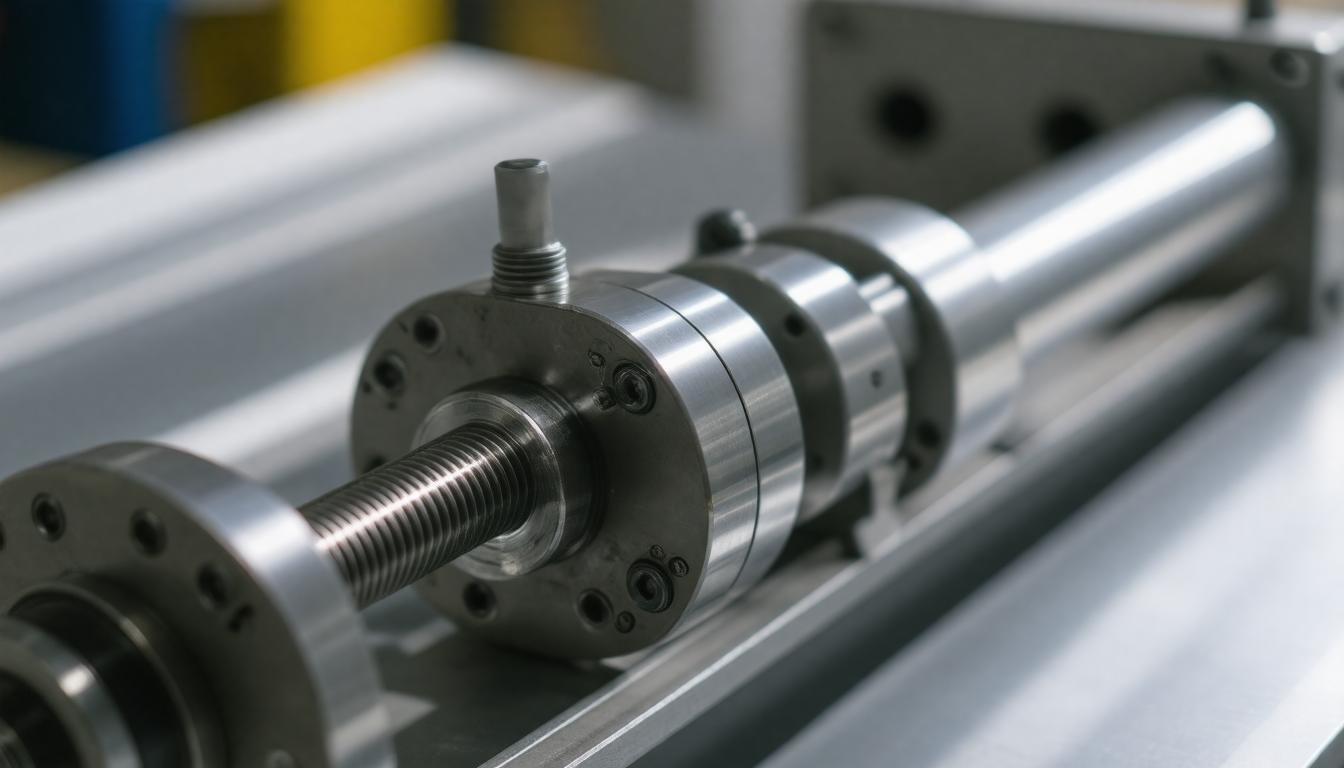
When machines need to move something in a straight line—whether it’s adjusting a robot’s arm or opening a valve—they rely
UK mainland delivery
Stock on hand in our UK warehouse
Online and phone support
Safe online payment options