
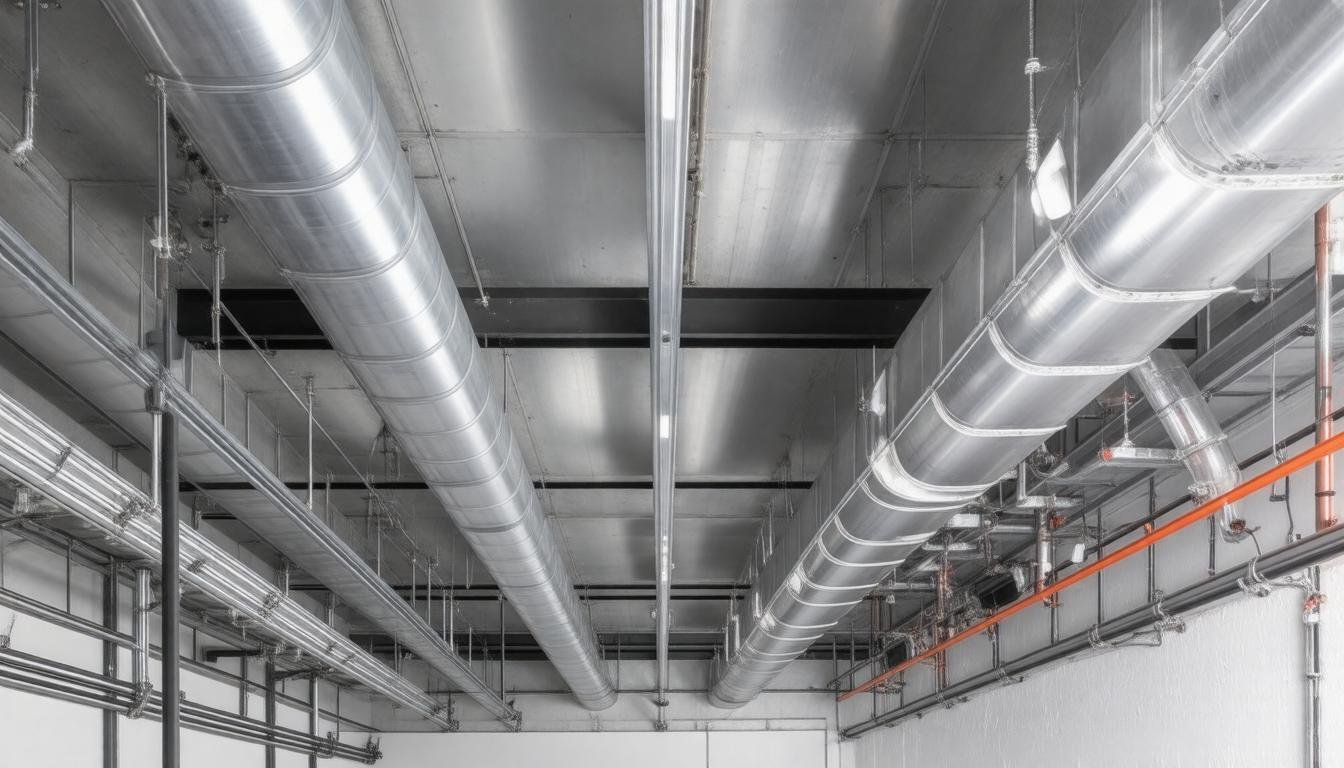
Commercial Smoke Ventilation Systems: Safety Solutions and Standards for Buildings
When it comes to keeping buildings safe during a fire, smoke is often the silent enemy. It spreads quickly, making
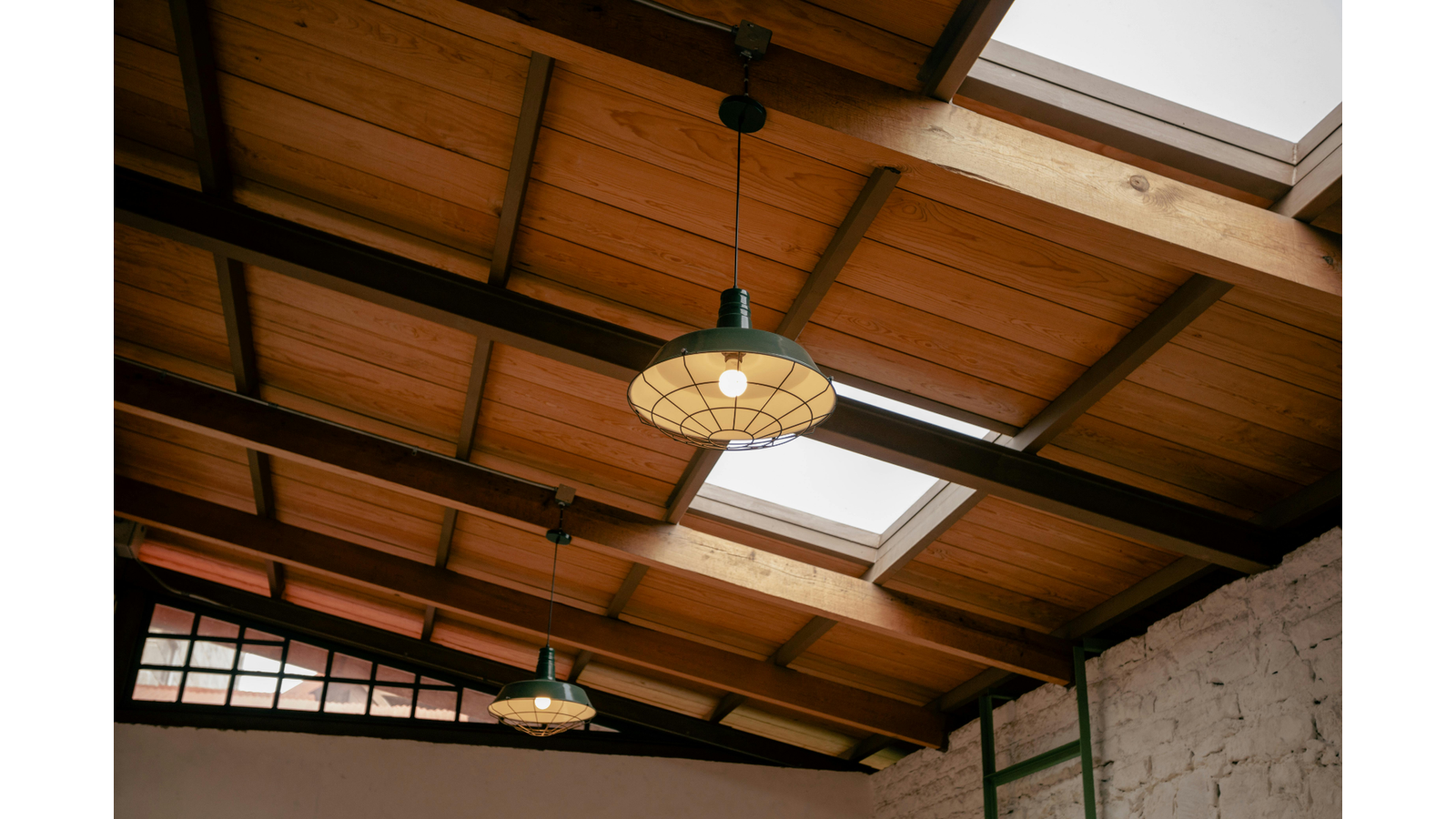
When a fire breaks out, smoke can be just as dangerous as the flames themselves—often making it hard to see or breathe and causing most injuries. That’s where smoke vent rooflights come in. These clever roof openings are designed to let smoke escape quickly, clearing the air inside buildings so people can get out safely and firefighters can do their jobs better. If you’ve ever wondered how these devices work or why they matter, this guide will walk you through everything from their basic purpose to how they keep everyone safer during an emergency.
Smoke vent rooflights are designed to automatically or manually open during a fire to release smoke and heat from a building, improving visibility and air quality for occupants and firefighters. They function as one-way vents that allow smoke to escape without introducing oxygen that could fuel the fire, activating via thermal triggers such as fusible links, remote controls, or manual operation for effective smoke management.
At their essence, smoke vent rooflights are specialised openings installed primarily at the highest points of a building’s roof. They rely on a simple yet powerful natural principle: hot smoke rises. When a fire breaks out indoors, the smoke generated quickly accumulates near the ceiling or roof zone because it is hotter and lighter than fresh air. The smoke vent creates a direct channel for this rising smoke to escape outside, significantly reducing the dangerous buildup inside.
But what sets smoke vent rooflights apart from ordinary windows is their ability to act as one-way passages for smoke. Instead of simply opening a window that might introduce more oxygen—fueling the fire—these vents allow smoke to exit while limiting airflow back inside. This controlled release helps suppress the intensity and spread of fire by not inadvertently feeding it with fresh air.
Many designs accomplish this through carefully engineered seals and opening mechanisms that prevent downdrafts or unwanted air circulation.
The result of this design is more than just removing smoke; it preserves a safer environment for building occupants during emergencies. By reducing smoke concentration near evacuation routes and living spaces, visibility improves dramatically, allowing people to find exits faster and with less panic.
This is essential because statistics consistently show that many fire-related injuries stem from smoke inhalation and disorientation in smoky conditions.
In addition, these rooflights typically open automatically when triggered by heat sensors or fire alarms, ensuring timely activation without waiting for manual intervention.
This automatic response often occurs within about 60 seconds after reaching temperatures between 68°C and 90°C (154°F to 194°F), rapidly clearing hazardous smoke.
Well-maintained and correctly placed smoke vent rooflights can keep the vertical smoke layer above two metres (approximately 6.5 feet) from the floor, which dramatically improves tenability conditions. This means occupants and first responders experience better air quality and visibility, increasing overall safety and reducing risks of injury or fatality.
It’s also important to understand that despite their natural operation relying on buoyancy, some systems include mechanical assistance such as fans that boost smoke extraction rates— especially useful in larger commercial buildings where natural venting alone may not suffice.
Selecting the right system involves considering factors like roof pitch, size of protected space, building geometry, and local fire regulations. Ideally, these aspects are planned in collaboration with fire safety experts to balance quick smoke removal with minimising any unintended drawbacks like energy loss or weather infiltration.
Having established how these rooflights operate and their vital role in safety, we turn our attention to the key features and design elements that optimise their performance in different architectural settings.
Smoke vent rooflights are not just windows that open up when things get hot—they are engineered safety devices with precise functions aimed at protecting buildings and occupants in fire emergencies. At the core of their design is the necessity to quickly and efficiently remove smoke while preventing the fire from gaining additional oxygen. This delicate balance shapes every detail, from the choice of materials to sensor integration and opening mechanisms.
One fundamental aspect is the fire-resistant glazing, which uses toughened or laminated glass treated to withstand intense heat. Unlike ordinary glass that shatters under extreme temperatures, this specialised glazing can hold together long enough to maintain a safe barrier between the fire outside and inside elements. That’s crucial because any failure in the glazing could allow flames or embers to spread, endangering the building’s interior.
Beyond materials, these components must work seamlessly within an automatic or manual activation system—a feature that demands reliability under pressure. From fusible links that melt at specific heat points causing vents to open immediately, to remote electronic controls allowing multiple vents to respond simultaneously, each element serves a unique safety purpose.
Another key design consideration is the opening angle of these vents. Typically, they open between 30° and 60°, a range engineered to maximise smoke extraction while minimising exposure to external elements like strong winds or rain. This calculated opening angle also helps maintain the building’s overall thermal performance when vents are closed, balancing insulation with emergency ventilation needs.
Integration into broader fire alarm and building management systems is essential too. Smoke vent rooflights are designed to respond within seconds—usually less than 60 seconds from fire alarm activation—to ensure timely clearing of hazardous smoke before it spreads throughout occupied spaces. This fast response reduces risks of smoke inhalation and improves visibility for evacuation routes, enhancing occupant safety dramatically.
In practise, this means regular maintenance checks on both mechanical parts and sensors are vital. The system’s effectiveness directly depends on these features’ functionality—whether it’s ensuring rain sensors haven’t jammed shut or verifying that opening mechanisms aren’t corroded or obstructed by debris.
“Choosing smoke vent rooflights from trusted professionals ensures you receive units tested against strict standards such as EN 12101-2 and BS 7346-8,” affirms Mercor UK’s expertise in fire protection systems. Reliability in these features can literally mean life or death in critical moments.
With these critical components and design principles in mind, we turn to how these systems activate and function during an actual fire event, revealing their indispensable role in emergency response and building safety.
Smoke vent rooflights rely on carefully engineered activation and opening systems designed to respond quickly and effectively during a fire. At the heart of these systems are three primary activation methods, each with its own role in ensuring smoke is vented safely and efficiently.
The first is manual operation, which involves external handles or chains that can be pulled to open the vents. This method places control directly in the hands of building staff or occupants but requires clear knowledge about when it is safe to operate. Opening vents at the wrong time could potentially introduce oxygen, fueling the fire instead of containing it. Thus, training and familiarisation with these handles are essential for safe manual use.
Next comes the fusible link mechanism, an elegantly simple yet effective automatic trigger. These metal links are designed to melt when temperatures reach around 68 degrees Celsius—an indication of fire presence nearby. Once they melt, they physically release the vent’s locking mechanism, allowing it to spring open without any human intervention. This method ensures rapid response even if no one is present or able to act promptly, creating a critical pathway for smoke to escape and keeping evacuation routes clearer.
The most advanced option is electronic control systems, which use sensors detecting smoke or heat to automatically activate multiple vents simultaneously. This coordinated opening is especially valuable in larger buildings like shopping centres or office towers, where controlling airflow in many areas at once can significantly reduce smoke buildup. Remote control panels provide building managers full oversight, allowing them to programme responses based on fire location and severity, giving them a strategic advantage in managing emergencies.
| Activation Method | How It Works | When It Activates | Best For |
|---|---|---|---|
| Manual Operation | External handle or chain operated | When an occupant triggers it | Small buildings, controlled access |
| Fusible Links | Heat-melting metal link releases vent | Automatically at ~68°C | Reliable automatic response |
| Electronic Control | Sensor-triggered remote activation | At detection of smoke/heat | Large complexes, high-rise buildings |
These operational mechanisms often pair with opening features such as electric or pneumatic actuators, spring-loaded arms, and calculated opening angles — generally between 45° and 90° — to maximise smoke extraction efficiency. Ensuring these components work flawlessly is essential since any delay or failure can worsen smoke inhalation risks.
Regular maintenance and testing are pivotal: confirming fusible links haven’t corroded, controls respond correctly, and actuators move smoothly will keep the system dependable over years of wear. Combined with proper staff training, these vents become vital elements of a building’s overall fire safety strategy.
Understanding how these systems activate shows how crucial they are for maintaining clear airways during a fire, paving the way to explore their life-saving benefits in emergency situations.
Smoke vent rooflights play an invaluable role in improving safety when a fire breaks out by rapidly extracting smoke and toxic gases from the building’s interior. Smoke inhalation remains one of the leading causes of fatalities in fires—it often proves deadlier than the flames themselves. According to the National Fire Protection Association, nearly half of all fire casualties result from inhalation of smoke rather than burns. By actively venting smoke outside within minutes, these rooflights greatly reduce the concentration of hazardous gases indoors, dramatically enhancing survival chances for occupants.
The key advantage here is that as smoke vents activate—usually within about 60 seconds—they start clearing hallways, stairwells, and other escape routes, keeping them visually accessible for evacuees. Imagine trying to find your way out engulfed in thick, black smoke with limited visibility: panic sets in and disorientation follows swiftly. These smoke vents counter this by maintaining clearer air pathways, allowing people to evacuate faster and more safely.
For building managers and safety officers, this means smoke vent rooflights contribute not only to occupant safety but also to compliance with crucial building regulations like BS EN 1366-2. But these outcomes depend heavily on correct installation tailored to building design, along with routine maintenance. Failure to maintain mechanisms such as fusible links or control systems could render vents ineffective when most needed.
From a firefighter’s perspective, reduced smoke density translates into safer working conditions and enhanced firefighting efficiency. They rely heavily on rotational airflow and visibility within burning structures to locate fire origins and rescue trapped individuals quickly. Rooflight vents provide vital ‘windows’ through which firefighters can more accurately assess fire progression without unnecessary exposure. This controlled venting slows fire growth by lowering heat buildup—minimizing flashover risk—and preserves structural integrity longer.
Moreover, coordinated operation of multiple electronically controlled vents during larger fire events allows for optimal smoke extraction without introducing excess oxygen that could fan flames. This precision is a tactical advantage professional firefighters appreciate and depend on in large commercial buildings or warehouses.
| Safety Benefit | Description | Impact |
|---|---|---|
| Reduced Smoke Inhalation | Expels harmful gases rapidly, protecting occupants | Lowers casualties significantly |
| Improved Evacuation Visibility | Maintains clearer escape routes | Enables quicker evacuation |
| Safer Firefighter Environment | Enhances visibility, lowers heat for firefighting operations | Faster and more effective response |
| Reduced Structural Damage | Controls temperature rise and limits fire spread | Minimises costly repairs |
Understanding these critical safety benefits highlights how essential smoke vent rooflights are within a broader fire protection strategy. Their effectiveness depends not just on design but also on proper upkeep and integration with other life-saving systems.
This leads us directly into the practical aspects of ensuring these devices operate flawlessly when called upon—covering installation best practises and maintenance strategies that keep every component ready for action.
Installing smoke vent rooflights is not a simple DIY task; it demands expertise to ensure compliance with regulatory standards such as BS EN 12101-2 in the UK. Professional installers bring invaluable knowledge about correct positioning, structural integration, and alignment with roofing materials. This precision prevents common pitfalls like leaks or compromised mechanical performance—often caused by improper framing or overlooked coordination between trades such as roofing, fire protection, and mechanical systems.
Choosing experienced specialists can save both time and money by avoiding costly reworks and delays, especially considering current supply chain timelines that can stretch up to 10-12 weeks for smoke vent delivery.
Beyond installation, regular inspections are essential to keep these life-saving devices ready at all times. Conducting monthly visual checks allows building managers or maintenance teams to spot obvious signs of wear, physical obstruction from debris, or damage caused by weather elements.
However, visual inspections alone aren’t enough. An annual professional inspection provides a deeper evaluation—testing activation mechanisms such as fusible links or alarm triggers and verifying mechanical components for corrosion or malfunction. This combination helps prevent unexpected failures during emergencies when every second counts.
Keeping the vents clean is equally critical. Leaves, dirt, or bird nests can accumulate on rooflights and block their ability to open smoothly. Routine debris removal using gentle techniques preserves both the functionality and longevity of the vents.
Additionally, regularly testing automated opening systems reinforces confidence that they will respond promptly under fire conditions.
“Smoke vent rooflights are only as effective as their maintenance regimes allow them to be.” — Mercor UK Fire Safety Experts
Proper installation combined with consistent upkeep not only ensures regulatory compliance but also enhances occupant safety by preventing heat buildup and facilitating rapid smoke evacuation. Ignoring this duty risks blocked vents during fires—something no property owner wants to face.
While installation and ongoing care set the foundation for smoke vent rooflight effectiveness, exploring alternative fire safety methods can further strengthen your building’s defences against fire hazards.
When it comes to fire safety, smoke vent rooflights stand out because they focus precisely on managing smoke—the invisible danger that often causes more harm than flames themselves. Unlike standard fire alarms that simply alert occupants or sprinkler systems designed to suppress flames, these rooflights actively remove smoke by opening vents at the highest points of a building.
This natural ventilation method uses the fundamental physics of hot air rising to clear hazardous smoke, which improves visibility and air quality during an emergency.
While fire alarms serve the vital role of notifying people to evacuate, they do nothing to improve conditions inside a smoky space. Sprinklers can help douse flames but often struggle to control smoke buildup, especially in large open areas or buildings with complex layouts. Smoke vent rooflights complement these systems by providing a dedicated outlet for smoke extraction without involving water or electrical systems that might fail under certain circumstances.
However, these benefits come with considerations. Installation and maintenance of vented skylights tend to be more involved. They require precise engineering to ensure efficient operation during emergencies and resilience against weather elements such as wind and rain.
Electrical models with smart sensors offer automation but add complexity compared to fixed skylights or simpler fire safety options. Therefore, the choice depends heavily on the specific needs of your building—such as ceiling height, room usage, and local code requirements.
| Feature | Smoke Vent Rooflights | Standard Fire Alarms | Sprinkler Systems |
|---|---|---|---|
| Smoke Management | Yes (active smoke extraction) | No | No |
| Fire Suppression | No | No | Yes |
| Installation Cost | Moderate to High | Low | High |
| Maintenance | Moderate | Low | High |
| Energy Efficiency | Can reduce HVAC costs via ventilation | Not applicable | Not applicable |
| Operational Complexity | Requires integration & testing | Simple | Complex plumbing & controls |
If your priority is enhancing occupant safety by improving smoke clearance—especially in venues like shopping centres, schools, or industrial spaces—smoke vent rooflights are unmatched. Combining them with traditional alarms and sprinklers provides comprehensive protection, covering detection, suppression, and ventilation needs holistically.
Think of smoke vent rooflights as a specialised tool in your fire safety toolkit that addresses a gap many conventional systems leave open. Their smart design not only protects life but can also preserve property by minimising smoke damage—a factor critically important for building owners focused on long-term resilience.
Now that you understand how different fire safety options compare, it becomes essential to examine how selecting and integrating the right ventilation system aligns with your building’s unique requirements and regulatory standards.
Selecting an appropriate smoke vent rooflight system starts by taking a close look at your building’s size, architectural design, and how it’s used day-to-day. A sprawling warehouse demands different considerations than a compact office or a multi-level shopping centre. For instance, large buildings often require systems that allow centralised control, enabling facility managers to operate multiple vents throughout the structure simultaneously.
This is where systems with electronic remote controls shine—they integrate seamlessly with building management software, provide quick responses in emergencies, and offer detailed monitoring for maintenance teams.
When assessing your options, keep in mind that local fire safety regulations heavily influence your choice. These rules can dictate everything from vent size and placement to activation mechanisms. Compliance isn’t optional; it’s essential to ensure legal adherence and occupant safety.
Thus, collaborating with experts who stay current with evolving standards makes a difference—the Mercor team, for example, can guide you through interpreting these codes in practical terms tailored to your site.
Smaller buildings or those on tighter budgets might find that simpler systems are just as effective without involving complex electronics. Fusible link vents, for instance, activate automatically when temperatures rise during a fire, opening vents reliably without external power or remote control infrastructure.
Their mechanical simplicity means fewer components to maintain or fail during critical moments—an important factor for properties with limited maintenance resources.
However, don’t underestimate the value of combining automation and redundancy where possible. Modern electric operating mechanisms paired with backup batteries ensure vents function even during power outages—a scenario not uncommon during fires.
As shared by a facilities manager overseeing one of London’s tallest high-rises:
“We opted for a system with remote activation and sensors spanning all 23 floors. The peace of mind knowing our exits remain clear under any circumstance is invaluable.”
This highlights how investing in advanced systems translates directly to confidence in occupant safety and regulatory compliance.
Beyond size and fire codes, consider also how your building’s architecture affects smoke evacuation. Sloped roofs facilitate better airflow and water drainage compared to flat surfaces which may collect debris or water that impairs vent performance.
Materials used are equally important; polycarbonate rooflights offer impact resistance and a lightweight profile favoured in industrial settings, while laminated glass provides excellent insulation paired with fire-rated resilience suited to climates requiring temperature control.
When upgrading older buildings, retrofitting smoke vent rooflights is a strategic way to meet stricter regulations without costly structural overhauls. This $2.3 billion retrofit market offers customised solutions blending natural daylighting benefits alongside emergency smoke extraction—helping both safety and energy efficiency goals align.
To make the right choice for your building’s safety and efficiency needs, request expert guidance and explore advanced smoke vent rooflight systems by visiting https://mercor-uk.co.uk/request-a-quote/ today.
Choosing a smoke vent rooflight system tailored precisely to your building’s unique characteristics ensures optimal safety and compliance with fire regulations. Investing wisely now not only protects lives but also enhances operational continuity when it matters most.
Smoke vent rooflights seamlessly slide into existing fire safety systems by automatically opening to release smoke and heat during a fire, drastically improving evacuation conditions and reducing smoke inhalation risks; studies show that buildings equipped with such vents can see up to a 60% increase in smoke clearance efficiency, reinforcing their critical role alongside alarms, sprinklers, and ventilation to save lives and protect property.
Smoke vent rooflights automatically fling open during a fire thanks to heat-sensitive mechanisms like fusible links or electric actuators triggered by fire alarms; when temperatures hit around 68°C (154°F), these devices activate, allowing smoke to escape rapidly—studies show this can reduce smoke density by up to 60%, significantly improving visibility and breathable air for safer evacuations.
Smoke vent rooflights are surprisingly adaptable and compatible with most roofing materials—from sturdy slate and tile to sleek metal sheets and modern membranes. However, installation success hinges on proper flashing and sealing techniques tailored to each material to prevent leaks—after all, a smoke vent that vents smoke but not rain would be quite the irony! Studies show that over 90% of smoke vent installations succeed across diverse roofs when adhering to manufacturer guidelines, proving versatility isn’t just smoke and mirrors.
To keep smoke vent rooflights heroically ready for action, regular maintenance is your secret weapon—think bi-annual inspections to clear debris, lubricate moving parts, and test automatic opening mechanisms; failing this, these lifesavers can become stubborn souvenirs rather than swift escape routes. Studies show that 80% of smoke vent failures stem from neglected upkeep, so treating your rooflights like prized racehorses ensures they burst open on cue when smoke clouds the air, clearing a path to safety.
Smoke vent rooflights are impressively quick off the mark, typically activating within 60 seconds of smoke detection to clear the air and save the day. This rapid response is crucial because the first few minutes of a fire determine safety outcomes — studies show that smoke inhalation causes most fire-related injuries, so getting the smoke out fast can be life-saving. Their automatic opening ensures that toxic fumes don’t get comfortable mingling inside, providing vital ventilation before things get too smoky to handle.
When it comes to keeping buildings safe during a fire, smoke is often the silent enemy. It spreads quickly, making
When machines need to move something in a straight line—whether it’s adjusting a robot’s arm or opening a valve—they rely
UK mainland delivery
Stock on hand in our UK warehouse
Online and phone support
Safe online payment options