
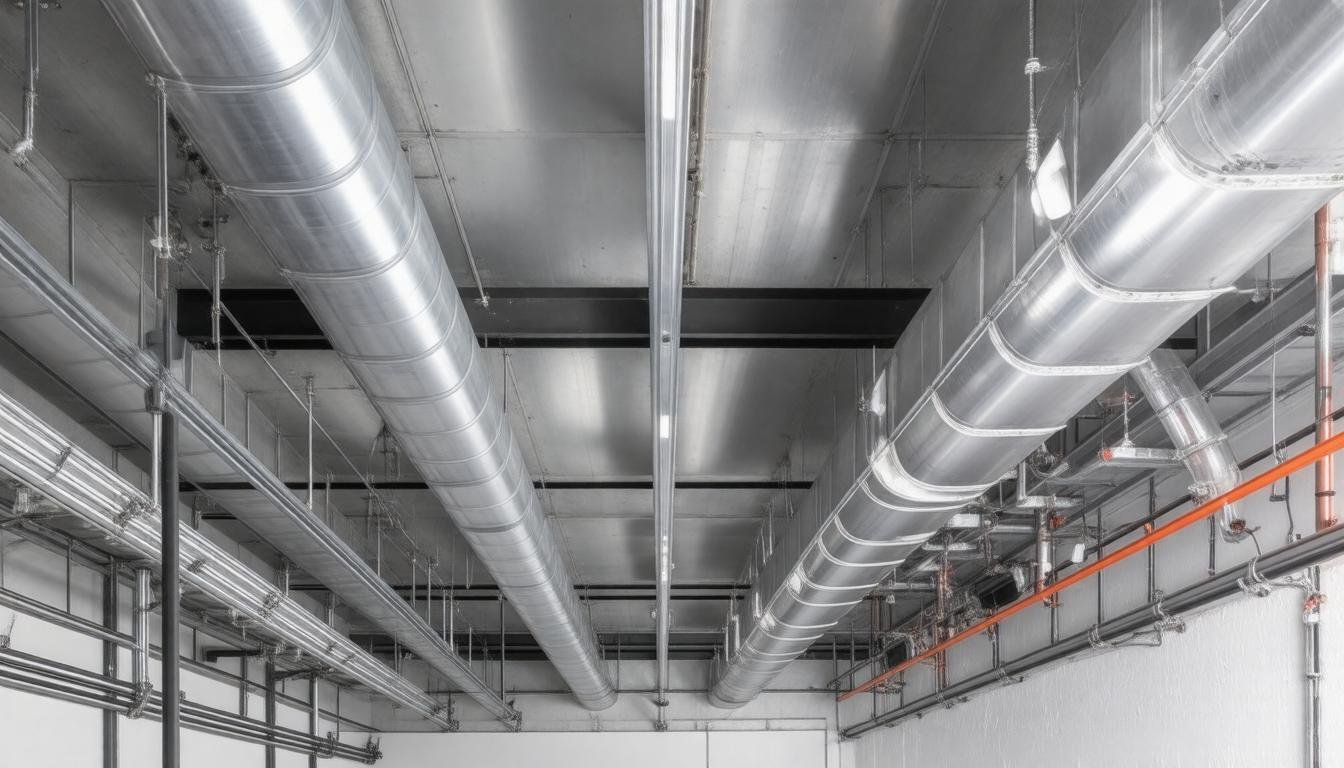
Commercial Smoke Ventilation Systems: Safety Solutions and Standards for Buildings
When it comes to keeping buildings safe during a fire, smoke is often the silent enemy. It spreads quickly, making
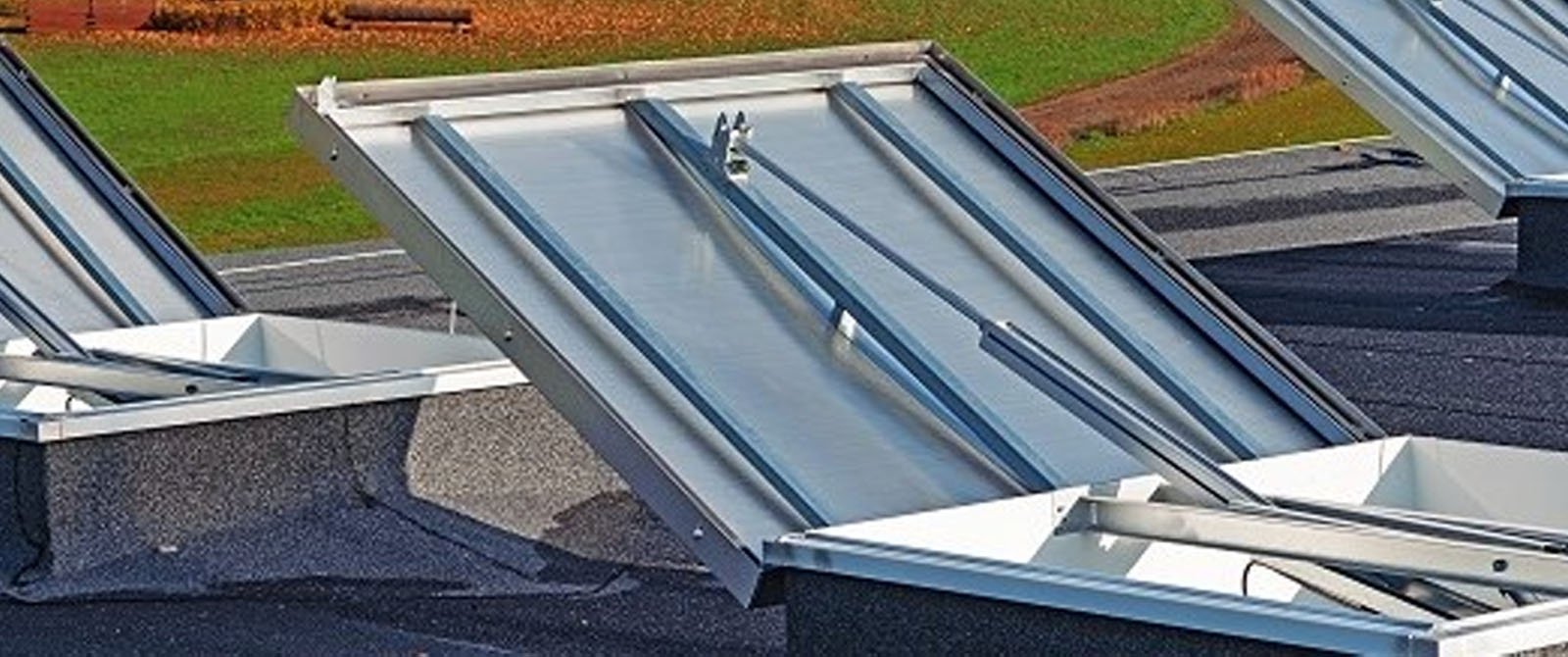
When it comes to keeping buildings safe and comfortable, ventilation choices matter a lot. You might think all roof openings are pretty much the same, but automatic opening vents (AOVs) and rooflights have very different jobs and features. Understanding how these two work can help you pick the right option for your space—whether you need to protect people during an emergency or just want more sunlight and fresh air. Let’s take a closer look at what sets them apart and why that difference is important.
Automatic Opening Vents (AOVs) are specialised fire safety devices designed to automatically open during a fire event to release smoke and heat, helping maintain clear escape routes and comply with fire regulations. In contrast, rooflights primarily serve to provide natural daylighting and ventilation for comfort purposes but are not specifically engineered or certified for smoke control or fire safety functions.
The most fundamental difference lies in their primary functions. Automatic opening vents, or AOVs, exist mainly to keep people safe during a fire. When smoke is detected, these vents spring into action, opening automatically to release smoke and hot gases. This rapid ventilation clears escape routes of dangerous fumes and reduces the risk of smoke inhalation.
Conversely, rooflights serve a wholly different role—enhancing natural lighting and bringing fresh air into living or working spaces. Their design focuses on comfort and ambiance rather than emergency responsiveness.
This distinction in purpose naturally leads to different system integrations. AOVs are not standalone devices; they must work in harmony with a building’s fire alarm system and other safety protocols. The integration ensures that as soon as smoke triggers an alarm, the vents activate without delay—a lifesaving function that demands precision engineering and compliance with rigorous standards.
Rooflights, by contrast, operate independently from such safety networks. Often controlled manually via remote or wall switches, some models may include environmental sensors like rain detectors for automatic closing, but they have no fire-safety role.
Because of these differences, regulatory requirements diverge significantly between the two. In the UK and much of Europe, AOVs are regulated under strict fire safety legislation such as BS EN 12101-2, which sets exacting performance benchmarks to guarantee operation under emergency conditions.
Installation demands certified specialists who ensure every vent meets its legal duty to safeguard occupant lives. Rooflights face building codes concerned mostly with thermal insulation, weatherproofing, and structural soundness—important considerations but without the life-or-death urgency linked to smoke ventilation.
| Aspect | Automatic Opening Vents (AOVs) | Rooflights |
|---|---|---|
| Primary Purpose | Smoke control during fires | Daylighting and natural ventilation |
| Operational Control | Integrated with fire alarm systems | Manual or automated independent controls |
| Regulatory Compliance | Strict fire safety standards (e.g., BS EN 12101-2) | Building regulations on insulation and structure |
| Installation Complexity | Requires professional certified installation | Typically simpler instals with varied complexity |
| Emergency Use | Designed for critical smoke extraction during fires | Not designed or tested for emergency scenarios |
| Ventilation Capacity | Large free area openings to rapidly clear smoke | Typically smaller openings focused on airflow |
Understanding these distinctions clarifies why choosing between an AOV and a rooflight hinges on your building’s needs: prioritising life-saving smoke extraction or enhancing daily comfort through natural light and airflow.
In practise, this means when you’re planning ventilation features for public buildings, stairwells, or commercial spaces where fire safety is paramount, AOVs are non-negotiable. For homes or offices simply seeking better air quality and daylight, rooflights offer versatile options without the complexity of fire integration.
Additionally, aesthetic considerations play a role. Rooflights come in various shapes and glazing options designed to complement modern architecture while maximising sunlight entry—an added bonus for energy efficiency and mood enhancement.
AOVs usually prioritise function over form; they integrate discreetly but their design centres around compliance rather than architectural flair.
When selecting products like those from Mercor Fire Protection UK Ltd, it’s essential to clearly differentiate between these two categories. Align your choice not just with your building’s ventilation goals but also with safety mandates if relevant.
Professional advice can help balance performance needs with design preferences ensuring you instal the right solution—whether it be an advanced automatic opening vent for protection or a stylish rooflight for everyday comfort.
With these key differences in mind, we move forward to examine how each plays its specific role in maintaining safety and indoor air quality within buildings.
Automatic Opening Vents (AOVs) are engineered primarily with life safety in mind. Unlike typical skylights, they are integrated into a building’s fire alarm system to open automatically within seconds of smoke detection. This rapid activation serves a critical purpose: venting smoke and toxic gases from escape routes such as stairwells, corridors, or lobbies.
By controlling the build-up of smoke at an early stage, AOVs maintain visibility for occupants trying to evacuate and significantly reduce the risk of smoke inhalation—a leading cause of fatalities in fires.
Beyond just clearing smoke, the functioning of an AOV directly impacts heat reduction during a fire. As hot gases rise, opening vents near the roof allows the heat to escape, lowering temperatures inside and preventing further damage to the structure.
This dual role—reducing both smoke concentration and internal heat—is what makes AOVs indispensable for modern fire safety strategies. Their designs follow stringent standards like BS EN 12101-2:2017, ensuring reliable performance even under extreme conditions.
To put this in perspective, empirical evidence shows that buildings equipped with well-designed AOV systems experience up to a 70% reduction in smoke density within escape routes during fire incidents. This statistic is more than just impressive; it translates into tangible life-saving outcomes, providing occupants and emergency responders precious extra time to act safely.
Contrastingly, rooflights fulfil a very different role focused on environmental comfort rather than emergency function.
Rooflights primarily serve architectural needs by admitting daylight deep into interiors, enhancing natural illumination and improving occupant wellbeing. They often feature manual or electric opening mechanisms designed to ventilate spaces by facilitating airflow under normal conditions.
However, these openings lack integration with fire detection systems and are not engineered to perform when exposed to the intense heat and smoke found during fires.
Because rooflights are not intended for smoke clearance, their ventilation rates—typically ranging from 0.5 to 2 air changes per hour under natural conditions—are insufficient to provide meaningful protection in fire scenarios.
While they can improve comfort by reducing humidity and expelling stale air, relying on rooflights alone for smoke control would be inadequate and unsafe.
This distinction has practical implications for compliance with UK building regulations like Approved Document B, which mandates specific smoke ventilation measures in certain building types.
Architects and builders need to specify AOVs where fire safety is paramount while selecting rooflights for their daylighting and passive ventilation benefits only.
For facility managers or homeowners, understanding these roles means recognising that installing an automatic opening vent is not a luxury but a necessity where safety regulation demands it.
Meanwhile, rooflights can complement a building’s environment by improving light quality and everyday airflow but should never be seen as substitutes for dedicated fire safety ventilation systems.
“Integrating AOVs properly into your building’s fire safety system isn’t just about ticking boxes—it’s about ensuring peace of mind that when seconds count, your escape routes will remain clear.”
While both AOVs and rooflights influence indoor air movement, the former is an active participant in protecting lives during fire emergencies whereas the latter enhances everyday living conditions without providing direct safety functions under emergency situations.
Appreciating these functional differences sets the stage for understanding how these systems connect with broader building infrastructure. Exploring this integration reveals crucial considerations for effective operation and compliance across multiple safety layers.
Automatic Opening Vents (AOVs) are not just windows on your roof; they are vital components of a carefully engineered fire safety network. Their integration goes far beyond simple opening mechanisms. They connect directly to the building’s fire alarm control panel and smoke detection systems, creating a fail-safe chain that activates them automatically when smoke is detected. This automatic response is crucial because in a fire emergency, every second counts to clear smoke and keep escape routes breathable.
The technical foundation involves electric actuators—often powered at 24V DC or 230V AC—that respond instantaneously to signals from detectors scattered throughout the building. These signals trigger the vent to open within 60 seconds as stipulated by regulations like BS EN 12101-2. What’s more, these systems often tie into Building Management Systems (BMS), allowing facility managers to monitor vent status remotely in real time and execute scheduled tests or emergency overrides. This level of connectivity ensures that the vent won’t be left closed accidentally when it needs to function most.
Beyond operation, integration includes necessary wiring for fail-safe behaviour and backup power supplies so vents can perform under power loss conditions—a consideration that distinguishes AOVs from other vents or windows. The presence of certified fire-rated components ensures these devices maintain their protective function during extreme heat and smoke conditions.
One fire safety professional notes, “Our AOV system integrates deeply with our alarms and BMS. It’s comforting to know that when the fire alarm sounds, our vents will respond immediately without any manual intervention.” Such seamless connectivity is paramount for compliance with modern fire safety codes and provides peace of mind for building occupants and managers alike.
In contrast, rooflights primarily serve architectural and comfort purposes rather than emergency functions. Their integration tends to be simpler—usually standalone units or linked to basic electrical controls for manual or motorised operation. For example, many motorised rooflights use similar electric actuators as AOVs but without the specialised connexions to a fire alarm system.
Rooflights typically connect through local switches, remote controls, thermostats, or environmental sensors such as rain detectors to manage ventilation and daylighting according to user preference or weather conditions. Unlike AOVs, they do not require connexion to smoke detection panels or fail-safe power inputs since they are not part of life-safety systems.
This distinction means rooflights offer flexibility in building design for comfort but cannot substitute for the stringent requirements needed in smoke ventilation during emergencies. While both can sometimes integrate with BMS for automated scheduling or status monitoring, rooflight connexions focus on convenience rather than safety-critical responsiveness.
Ultimately, the fundamental difference lies in purpose-driven integration: AOVs are embedded safeguards activated by emergencies, while rooflights enhance daily living through controlled natural light and air flow. Understanding this helps architects, builders, and property managers select appropriate solutions tailored to their building’s regulatory needs and occupant welfare.
With integration clarified, it’s valuable next to examine the distinct design standards and certification criteria that define these ventilation solutions, which form the foundation for proper installation and regulatory compliance.
Installing automatic opening vents (AOVs) is a task that demands precision and compliance with rigorous safety standards. Unlike simple rooflights, AOVs must integrate seamlessly with a building’s fire alarm system to open automatically in the event of smoke or fire. This connexion requires specialist wiring that meets BS 5839-1 standards, which govern fire alarm installations, ensuring signals to the vent operate reliably under emergency conditions.
It’s not just about slapping the vent on the roof but also about ensuring every electrical and control component is fire-rated and robust enough to withstand high temperatures. The process involves several phases: securing the physical unit into the roofing structure, running fire-resistant cabling, connecting it properly to smoke detectors certified by BS EN 12101-2, and finally calibrating the system to respond promptly during an emergency.
Because AOVs directly impact occupant safety in emergencies, local fire authorities often require regular testing and maintenance. These periodic checks confirm that sensors trigger the vents correctly and that mechanical parts remain free-moving despite dust, corrosion, or weather wear over time. Skipping these steps can risk malfunction at critical moments, rendering an otherwise effective system useless.
| Requirement | Regulation | Purpose |
|---|---|---|
| Smoke detection | BS EN 12101-2 | Ensures timely vent activation during a fire |
| Fire-rated wiring | BS 5839-1 | Reliable fire alarm system integration |
| Regular testing | Local fire authority recommendations | Maintains operational readiness and compliance |
In contrast, rooflight installation focuses primarily on structural integrity and compliance with building codes related to energy efficiency and ventilation, such as Part L (conservation of fuel and power) and Part F (ventilation) of UK Building Regulations.
While rooflights must be carefully framed into the roof to avoid leaks and preserve thermal insulation, they generally do not require complex integrations with fire systems like AOVs do. Their manual or fixed designs keep the regulatory burden lighter but demand attention to weatherproofing and daylighting efficiency.
Even so, choosing the right rooflight involves compliance with standards for glazing performance, ventilation paths, and thermal transmittance values (U-values). If installed improperly, rooflights can lead to heat loss or drafts that undermine a building’s environmental goals.
Whether installing an AOV or a rooflight, early collaboration between architects, installers, and fire safety consultants is essential. This teamwork ensures that vents or lights aren’t simply bolted on but integrated as part of a holistic building strategy—balancing safety regulations with energy efficiency goals.
For example, when fitting AOVs, planners must consider their size, positioning relative to smoke zones, and how their activation affects overall HVAC operations.
From a practical standpoint, engaging installers who specialise in fire protection systems—like those found at Mercor UK—can reduce costly errors. They bring expert knowledge of relevant codes like BS EN 12101-2 and BS 5839-1 and understand how your chosen product will interact within your unique architectural context.
The complexities behind installation reveal how vastly different automatic opening vents are from traditional rooflights—not only in function but in the meticulous manner they must be integrated into modern buildings’ safety fabric. Understanding these distinctions positions us well for exploring how these solutions benefit various environments next.
In industrial and commercial spaces, the presence of automatic opening vents (AOVs) is more than just a convenience—it’s a vital safety feature. Factories, warehouses, and large office buildings rely heavily on AOVs because these systems provide crucial smoke extraction during fire emergencies. When a fire breaks out, the automatic vents activate, opening wide to release smoke and heat quickly. This action creates clearer escape routes and significantly improves conditions for firefighters entering the building. It’s a proactive approach that directly saves lives by maintaining breathable air in critical moments.
Beyond safety, there’s also a financial incentive linked to compliance with fire safety standards. For instance, many insurers recognise the reduced risk that buildings equipped with certified AOV systems represent. This recognition often translates into lower insurance premiums, sometimes cutting costs by up to 15% for large commercial properties. That’s substantial when you consider operational expenses at scale. So, installing AOVs is not just about ticking boxes; it’s an investment that enhances protection and improves your bottom line.
Shifting focus, residential environments demand something quite different—where aesthetics and comfort take centre stage.
Rooflights shine in homes because they flood interior spaces with daylight and improve ventilation in areas like kitchens, bathrooms, or conservatories. Their role here is mostly about enhancing quality of life: natural light reduces reliance on artificial lighting during the day, which can cut energy bills slightly and create inviting living spaces with fresh air improving indoor comfort. However, it’s important to note that rooflights do not meet fire-safety specifications as AOVs do—they aren’t designed or certified to open automatically during emergencies or support smoke ventilation.
The design considerations also differ starkly. Rooflights typically open at smaller angles—usually between 30 to 45 degrees—which suits controlled airflow needs common in living environments without compromising security. Their manual or electric controls give homeowners flexibility to manage ventilation according to weather or preference. On the other hand, AOVs open fully—sometimes up to 90 degrees—to maximise smoke extraction swiftly, aligning with strict fire safety codes.
Which brings us to aesthetic considerations that often influence whether you choose an AOV or a rooflight for your building.
| Environment | Primary Purpose | Typical Opening Angle | Fire Safety Certification | Additional Benefits |
|---|---|---|---|---|
| Industrial/Commercial | Smoke extraction & safety | Up to 90° | Yes (BS EN 12101-2 etc.) | Insurance premium reduction |
| Residential | Natural light & ventilation | 30°–45° | No | Energy savings & enhanced comfort |
When deciding between these two types of vents for your property, consider first the building’s usage and legal requirements. If fire safety compliance is mandatory—as it is in most commercial settings—the choice leans firmly toward AOVs like those offered by Mercor UK. For homes where enhancing natural light and day-to-day ventilation is your priority, electric rooflights offer practical solutions without the complexity of full smoke control.
Ultimately, understanding how each serves distinct needs helps you select the right system—one that fits your space beautifully while fulfilling crucial safety or comfort functions.
With functional differences clear, we now turn our attention to how form and function intersect in these products—exploring the aesthetic choices that shape their role in your building’s design and use.
When you think about rooflights, the first thing that often comes to mind is the way they flood a room with natural light. Their design flexibility truly sets them apart—they come in an array of shapes, sizes, finishes, and even glazing effects. This variety means architects and homeowners can pick models that not only brighten interiors but also complement or elevate a building’s style.
Whether it’s a sleek modern office or a cosy conservatory, rooflights contribute to a sense of openness and spaciousness that artificial lighting simply can’t match. Beyond appearance, many modern rooflights boast thermal insulation features, helping reduce heat loss while conserving energy without sacrificing daylight.
Contrastingly, Automatic Opening Vents (AOVs) occupy a different space on this spectrum. Their primary mission is safety, functioning as integral parts of a building’s smoke management system rather than decorative enhancements. Because their deployment must meet stringent fire safety standards like EN 12101-2, AOVs tend to have more streamlined, minimalistic designs focused on effectiveness rather than visual flair.
These vents typically blend subtly into rooflines with slimmer frames compared to rooflights, prioritising rapid smoke extraction over aesthetic appeal. This practicality-driven design means choices are often limited compared to rooflights; however, this does not mean AOVs detract from a building’s overall look—when thoughtfully integrated by expert suppliers like Mercor Fire Protection UK Ltd, they maintain architectural harmony without drawing undue attention.
For those balancing both function and form, selecting an AOV model with subtle profiles and neutral colour finishes can help maintain your building’s style while delivering essential smoke ventilation performance.
It’s also worth noting the difference in functionality tied to where and how each product operates. Rooflights typically open manually or electrically to improve natural ventilation and control indoor environments — ideal for kitchens, offices, or sunrooms aiming to manage humidity and temperature comfort.
Their ability to open wide (up to 90 degrees) maximises airflow but remains under user control for convenience. Meanwhile, AOVs are designed to open automatically upon smoke detection, usually at higher roof elevations to funnel smoke away efficiently in emergency scenarios. This automatic response is crucial for maintaining safe escape routes during fires but limits manual operation compared to rooflights.
So while rooflights focus on enhancing daily living comfort and aesthetics, AOVs provide a vital safety net without compromising compliance or risking obtrusiveness. Understanding these nuanced differences helps specify exactly which solution meets your project’s unique needs—whether that’s architectural beauty, enhanced air quality, or life-saving smoke ventilation.
“Choosing between AOVs and rooflights isn’t about picking better or worse—it’s about matching capabilities to purpose.”
| Aspect | Rooflights | Automatic Opening Vents (AOVs) |
|---|---|---|
| Purpose | Daylighting & manual/electric ventilation | Smoke extraction & fire safety ventilation |
| Design Variety | High: multiple shapes, sizes, finishes | Low: functional, slim-profile designs |
| Opening Mechanism | Manual or electric control | Automatic via fire detection; manual backup |
| Installation Height | Variable (based on design/aesthetics) | Typically high for smoke/heat venting |
| Thermal Performance | Balanced between insulation & translucency | Optimised for airtightness & insulation |
| Regulatory Role | Building code compliance for daylight | Compliance with fire safety regulations |
| Visual Impact | Can be architectural focal point | Designed to blend discreetly |
When planning your building projects or renovations, consulting specialists experienced in both ventilation types ensures your choice aligns perfectly with regulatory requirements and aesthetic goals alike. Mercor UK offers tailored advice that balances these aspects proficiently, supporting safer, smarter building designs.
With these distinctions clear between automatic opening vents and rooflights in mind, the next step is evaluating your specific needs and environment to determine which option fits best within your project’s framework.
Choosing between Automatic Opening Vents (AOVs) and traditional rooflights isn’t merely about style or price—it’s fundamentally about what your building requires from a safety and comfort perspective. When fire safety takes precedence, especially in commercial or public buildings, AOVs become indispensable. These vents are designed to work seamlessly with smoke detection systems, opening automatically within moments of detecting smoke or heat, allowing dangerous fumes to escape quickly and helping occupants evacuate safely.
Their installation is not just recommended; in many cases, it’s mandated under UK Building Regulations Approved Document B.
The importance of this automatic responsiveness cannot be overstated. Unlike rooflights—which primarily provide light and optional manual ventilation—AOVs actively protect lives during emergencies by rapidly clearing smoke, significantly reducing the risk of smoke inhalation and improving visibility for escape routes.
This feature makes them a critical investment for offices, shopping centres, schools, and other buildings with high occupancy.
On the other hand, buildings prioritising natural light and everyday ventilation rather than emergency response have different considerations.
Rooflights enhance living spaces by flooding rooms with daylight and offering fresh air when manually or electronically opened. They can transform interiors with architectural flair while contributing to energy savings by reducing reliance on artificial lighting.
For residential environments like kitchens, conservatories, or bathrooms where humidity control is essential, rooflights provide a practical solution without the complexity of integrated fire safety systems.
That said, while rooflights introduce charm and comfort, they do not replace the protective function of an AOV in fire scenarios. Homeowners who want both aesthetics and safety might consider combining fixed rooflights with separate smoke ventilation systems to satisfy requirements for both light and protection.
The type of building largely dictates the appropriate choice. Commercial buildings generally require AOVs due to strict fire regulations aiming to safeguard multiple occupants at once. Conversely, residential properties often benefit from rooflights’ ability to balance atmosphere and air quality without compromising on design.
The nuances in specification, compliance, and installation make professional advice invaluable. At Mercor UK, our experts guide you through assessing your building’s function, size, and regulatory demands so you find a solution that aligns with your goals—for both safety and beauty.
As industry-leading specialists in fire protection and ventilation:
“Choosing the right vent system isn’t just a matter of picking a product; it’s about tailoring a comprehensive approach that protects people while enhancing their environment.”
If you’re considering options or want further assistance on selecting systems compatible with your project requirements, visit Mercor UK for detailed support tailored to your needs.
Understanding these key differences ensures that your building benefits from effective ventilation that meets regulatory demands while optimising comfort. For expert guidance on selecting the ideal system tailored to your project’s unique requirements, don’t hesitate to request a quote today at Mercor UK.
When it comes to keeping buildings safe during a fire, smoke is often the silent enemy. It spreads quickly, making
When machines need to move something in a straight line—whether it’s adjusting a robot’s arm or opening a valve—they rely
UK mainland delivery
Stock on hand in our UK warehouse
Online and phone support
Safe online payment options