
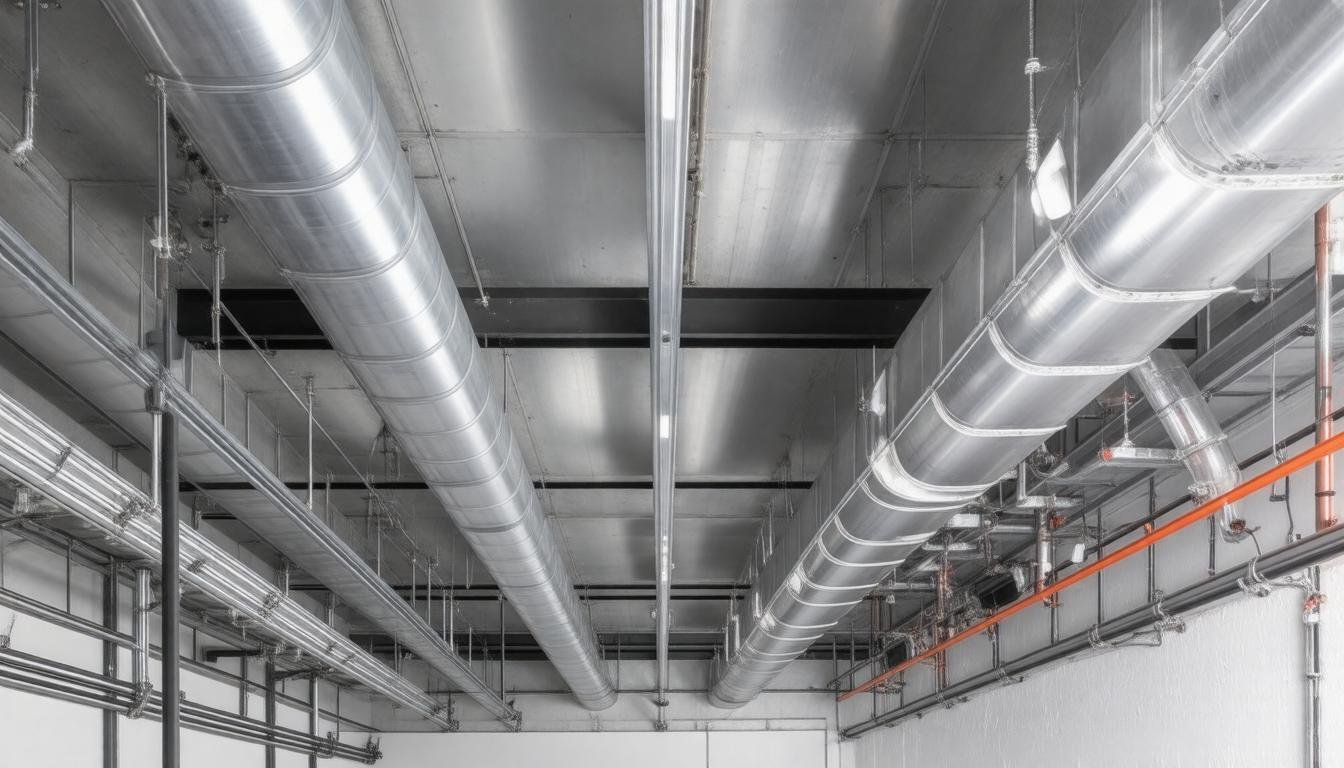
Commercial Smoke Ventilation Systems: Safety Solutions and Standards for Buildings
When it comes to keeping buildings safe during a fire, smoke is often the silent enemy. It spreads quickly, making
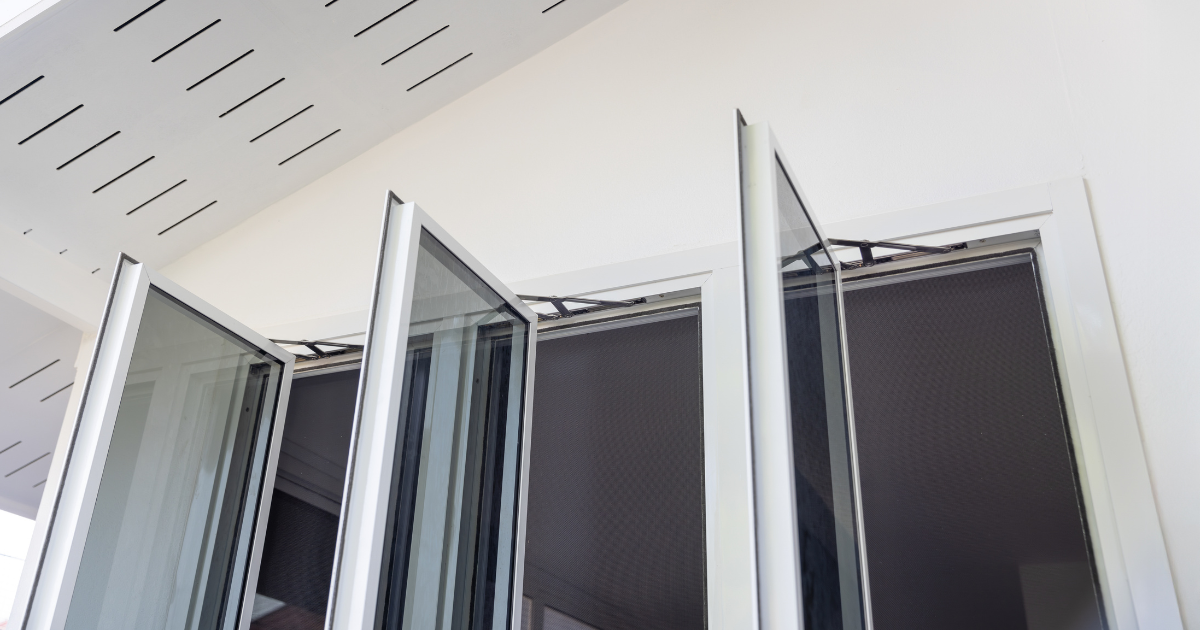
When it comes to keeping buildings safe from fire, smoke ventilation is often overlooked but absolutely crucial. Automatic Opening Vents (AOVs) are one of the key players in this safety game—they help clear smoke quickly, making escape routes safer and helping firefighters do their job better. This guide breaks down everything you need to know about AOV building regulations in the UK, showing how following the rules isn’t just paperwork but a lifeline when emergencies happen. Whether you’re a builder, manager, or simply curious about fire safety, understanding these standards can make all the difference.
Automatic Opening Vents (AOVs) must comply with UK building regulations, specifically Approved Document B, which mandates their use to ensure effective smoke ventilation and safe evacuation routes during fires. AOVs should be designed, installed, and maintained according to British Standard BS 7346-8 and European Standard EN 12101-2 to meet performance criteria related to smoke extraction, activation timing, and durability under fire conditions.
AOV building regulations are designed primarily to ensure that smoke ventilation systems activate reliably and efficiently during a fire, keeping escape routes free from smoke and heat. These regulations focus not only on the functionality of the vents themselves but also on how they integrate into a building’s overall fire strategy. In practise, this means your AOV system must respond promptly—often within one minute of smoke detection—to open vents automatically and expel hazardous gases.
Central to these rules is the EN 12101 series, a comprehensive European standard that governs smoke and heat control systems. EN 12101-2 specifically covers natural smoke and heat exhaust ventilation systems, including AOVs.
Buildings across the UK adhere to this framework, requiring that any installed AOV meets prescribed performance levels, withstands extreme temperatures, and operates under power failure conditions. This rigorous testing ensures systems won’t just work in theory but will function correctly when lives depend on them.
Alongside European standards, British-specific codes such as BS 7346-8 provide additional practical requirements, particularly around installation and maintenance of natural smoke ventilation components.
BS 7346-8 places emphasis on ensuring the reliability of control equipment like actuators, control panels, and sensors connected to AOVs. This means not only choosing certified hardware but also committing to regular servicing schedules—routine tests and maintenance are vital to prevent failures in critical moments.
To meet these standards effectively, consider the following essentials:
It’s important to recognise that these regulations do more than tick boxes; they directly support life safety by drastically improving evacuation conditions.
Systems built and maintained according to these rules reduce smoke concentrations by up to 50%, lower temperatures inside escape routes, and improve air quality dramatically—all crucial for protecting occupants and assisting first responders.
“Regulatory adherence isn’t optional—it’s a cornerstone of effective fire safety strategy.”
Understanding these essential regulatory frameworks sets the foundation for navigating specific performance benchmarks and procedural necessities involved in fire safety compliance.
This headway prepares us well for discussing the crucial elements you must prioritise when verifying adherence to fire safety regulations in your building’s design and operation.
The very essence of AOV compliance lies in ensuring these systems function reliably when every second counts during a fire. One of the fundamental criteria is the installation location and size of the vents. Placing an AOV in the optimal position means positioning it where smoke tends to gather — often high-level locations like stairwells, corridors, or lobbies.
The sizing isn’t arbitrary either; regulations require a calculated free open area sufficient to clear smoke efficiently. For instance, a stairwell AOV typically must offer at least 1.0 square metre of open venting space to guarantee enough airflow to keep escape routes as clear as possible.
This sizing ensures smoke does not accumulate to dangerous levels, which is particularly crucial because smoke is often more deadly than flames themselves. When smoke fills a confined space, visibility plummets and inhaling toxic gases increases fatality risk.
An adequately sized AOV works as an escape valve—letting out smoke fast enough to protect anyone inside and allow firefighters better access.
Beyond location and size, another pillar of compliance lies in how quickly the AOV system responds in an emergency.
The activation and response time of an AOV must be precise and rapid. Fire safety regulations specify that vents must activate within 60 seconds of detecting smoke—a window that balances early detection with reliable system performance.
This rapid activation aids occupants by reducing exposure to smoke inhalation hazards and gives them precious extra moments to evacuate safely.
Testing protocols governing this requirement ensure that sensors — whether heat-based or particulate detectors — trigger the opening mechanisms without delay, reflecting real-world fire scenarios. For example, Mercor’s PROLIGHT E 100/150 AOV product line adheres strictly to these timelines, offering swift operation combined with robust control.
While timing is crucial, we cannot overlook how the materials used and design features impact long-term compliance and reliability.
Material selection is central to an AOV’s compliance profile. Components must withstand high temperatures typically encountered during fires—upwards of 600°C for at least 30 minutes—without failure.
This durability involves selecting fire-resistant frame materials alongside glazing elements engineered for thermal shock resistance. Design precision also extends to sealing methods preventing the ingress of water or debris while still allowing seamless mechanical operation.
Such rigorous material standards guarantee that once activated, the vent will maintain integrity throughout the duration of an emergency event rather than buckling under heat stress or malfunctioning mechanically.
Achieving this balance requires manufacturers like Mercor UK to use purposely engineered components tested against European standard EN12101 and British Standard BS7346-8 for fire safety ventilation products.
Another subtle but essential aspect in meeting compliance lies within control systems and integration capabilities.
Modern AOV solutions feature fully integrated control panels capable of managing multiple zones within complex buildings. Compliance demands interaction with fire alarm systems so activation occurs automatically upon detection without manual intervention.
These control systems undergo thorough testing to ensure fail-safe operation under various fault conditions like power outages or signal loss.
It’s advisable always to select a supplier who offers full technical support during installation and commissioning phases—like Mercor Fire Protection UK Ltd—which helps installers align their systems precisely with regulatory demands while ensuring quick delivery with UK-stored stock.
Finally, maintenance schedules are baked into the compliance framework itself.
Regular inspection and maintenance form part of ongoing compliance obligations. Quarterly or biannual testing confirms sensors remain calibrated and mechanical components operational.
Neglecting these checks can lead not only to unsafe conditions but also non-compliance with building regulations that may invalidate insurance policies or certifications.
“Consistent maintenance is not optional; it’s vital for protecting both lives and property.” — Fire Safety Industry Expert
Grasping these crucial elements—from strategic placement and swift activation to resilient materials, intelligent controls, and diligent upkeep—sets the foundation for effective AOV solutions that meet stringent safety mandates. Moving forward, we consider how design choices and material innovations further shape these life-saving systems.
The core of every reliable Automatic Opening Vent (AOV) system lies in its construction materials. These materials must endure the harshest conditions a fire can produce—extreme heat being the foremost challenge. Typically, components are required to be fire-resistant at temperatures up to 600°C for at least 30 minutes. This threshold aligns with industry standards designed to guarantee that, during a fire event, the vent maintains structural integrity and operational functionality without warping, melting, or failing prematurely.
Fire resistance isn’t just about surviving heat; it’s also about preserving the system’s ability to actuate when needed. Imagine a vent made from substandard materials that buckle under heat—such failure could block smoke extraction and compromise entire evacuation routes. In contrast, high-quality metal alloys or specialised composite materials used in Mercor Fire Protection’s UK-stocked AOV products ensure durability and reliability in these extreme environments. Selecting certified fire-rated materials is non-negotiable, as it secures both safety compliance and peace of mind.
Beyond materials, the actual design of an AOV system shapes its effectiveness. Systems typically fall into three categories: natural, mechanical, or hybrid ventilation designs.
Natural ventilation leverages physical principles like thermal buoyancy—hot smoke rises naturally—combined with wind forces to push smoke out through strategically placed vents such as rooflights. This passive approach benefits from simplicity and energy efficiency but depends heavily on environmental conditions like wind speed and direction.
Mechanical ventilation systems adopt a more proactive stance by using electrically powered fans to extract smoke rapidly from enclosed spaces. These fans can move vast volumes of air per hour—sometimes up to 20,000 cubic meters—to maintain clear escape routes regardless of weather variables. Such systems integrate seamlessly with smoke detection sensors and central control panels that activate automatically within seconds of alarm trigger—a critical feature for high-rise buildings or complex layouts where natural airflow is insufficient.
Hybrid AOV systems marry the benefits of both strategies by employing natural ventilation under normal conditions and activating mechanical fans when extra smoke extraction capacity is required. This dual approach optimises energy use while ensuring rapid response during emergencies. When considering building-specific factors—like size, occupancy, complexity, and climate—a well-designed hybrid system often offers the most balanced solution.
Without proper design considerations grounded in robust material selection and ventilation principles, even the most advanced AOV installation risks falling short; therefore, understanding critical construction safety standards is the next key step to guarantee regulatory compliance and occupant protection.
Ensuring the construction of Automatic Opening Vent (AOV) systems complies with safety standards is vital not only for system performance but also for occupant protection. These standards act as a blueprint, guiding professionals through every phase—from material selection to installation and maintenance—so that the AOV functions reliably during a fire event.
One core aspect is the use of fire-resistant materials, particularly in ductwork connected to AOVs. These ducts must withstand temperatures up to 600°C for a minimum of 30 minutes without compromising structural integrity. This requirement helps prevent the spread of fire and smoke, which can otherwise travel quickly through ventilation pathways and jeopardise evacuation routes and firefighter safety.
In addition, regular testing and maintenance protocols are essential. The NFPA emphasises quarterly inspections where sensors, control panels, actuators, and opening mechanisms receive thorough checks. This disciplined routine ensures early detection of faults or wear that might impair system activation when it matters most.
Beyond physical components, construction safety standards also cover system integration. An AOV system isn’t standalone; it must seamlessly connect with fire detection alarms and centralised control panels. This integration facilitates automatic activation within seconds of smoke detection, reducing human error and speeding up emergency response actions.
Key construction safety considerations include:
Inspectors typically demand detailed documentation demonstrating compliance with these regulations before approving installations. Such paperwork often includes product certifications, test reports, and installation checklists. These records reflect attentive craftsmanship and help streamline future audits or upgrades by providing an official history of care.
It’s also worth noting that poor adherence to these construction standards can have serious consequences—from endangering lives to invalidating building insurance policies. Building owners should therefore regard compliance not merely as a regulatory hurdle but a crucial investment in long-term safety and asset preservation.
Having covered the essential construction safety standards, we now shift focus onto the procedural side—how approvals are secured and necessary documentation is prepared—to ensure your AOV system meets every legal requirement flawlessly.
Getting your Automatic Opening Vent (AOV) system approved by local fire authorities and building inspectors is more than a formality—it’s a vital step that ensures safety standards are met and that the system will operate effectively during emergencies.
The approval process demands clear and complete documentation, which acts as proof that your AOV installation aligns with all relevant regulations and best practises. Without this paperwork, you risk costly delays, potential non-compliance fines, or a compromised safety system.
At the heart of this process lies system design plans—detailed blueprints that outline how the AOV integrates into the building’s architecture. These designs aren’t just sketches; they demonstrate critical factors such as vent placement for optimal smoke extraction, integration with fire detection systems, and accessibility for maintenance. Presenting these plans to fire officials shows that the system has been thoughtfully engineered rather than haphazardly installed.
Another essential component of documentation is the performance test results. These tests validate whether the AOV performs according to its specifications when exposed to simulated fire conditions. Whether conducted by accredited third-party laboratories or certified technicians, these results confirm that your vents open reliably and maintain effective smoke ventilation under high temperatures—often up to 600°C for at least 30 minutes, as mandated by standards like EN 12101-2.
But approval doesn’t end with installation. Keeping comprehensive maintenance logs is equally critical. Fire safety isn’t static; it requires ongoing vigilance. Maintenance logs record routine inspections, actuator function tests, cleaning schedules, and any repairs or replacements performed on the system. Building inspectors often review these logs to verify continued compliance over time and ensure that any faults have been promptly addressed before an incident arises.
- Fire Test Certificates: Evidence that the AOV meets rigorous fire resistance and operational standards
- Installation Certificates: Proof that a certified professional correctly installed the system per manufacturer guidelines
- Ongoing Maintenance Logs: Records documenting regular inspection, testing, and upkeep to guarantee long-term reliability
When preparing documentation for approval, keep everything well-organised and accessible. Digital copies backed up securely can save time during inspections and facilitate communication between contractors, building managers, and authorities. Proactively sharing updates builds trust and minimises surprises during audits.
With approval securely in hand and clear documentation maintained, understanding how these systems perform across different building types becomes your next priority for full compliance confidence.
In residential buildings, especially high-rise apartments, automatic opening vents (AOVs) play an essential role in maintaining safe escape routes. These buildings often have complex layouts with long corridors and multiple stairwells where smoke can quickly accumulate in a fire situation, threatening residents’ ability to evacuate safely.
Installing AOVs strategically—typically in communal areas such as stairwells, lobbies, and hallways—ensures that smoke is efficiently drawn upward and away from escape paths. This doesn’t just comply with fire safety regulations; it dramatically improves the likelihood that occupants can exit without succumbing to smoke inhalation or confusion caused by poor visibility.
The practical effect of this is significant: AOV systems reduce smoke layer temperatures by up to 50%, making evacuation quicker and safer. Since residential buildings accommodate vulnerable populations—children, elderly, or disabled inhabitants—the reliability of AOVs in these contexts is non-negotiable. Maintenance routines should be aggressive enough to ensure sensors and actuators respond promptly during emergencies.
Shifting focus to commercial properties reveals a different scale and set of challenges, shaped largely by open floor plans and higher ceilings.
Commercial spaces like warehouses and factories require a more robust approach to smoke ventilation. Here, the volume of air within the building is exponentially greater, demanding larger or multiple AOV units working together seamlessly. Often these systems integrate several dampers and mechanically assisted fans that coordinate to extract smoke swiftly across vast spaces. Failure to do so could allow dangerous smoke build-up, impairing visibility for employees and emergency responders alike.
In addition, commercial buildings may face stricter regulatory scrutiny because they must protect not only people but also valuable equipment and inventory from fire damage. Smoke ventilation reduces heat accumulation and limits structural damage—a factor tied directly to minimising repair costs after a fire. Integrating AOVs with advanced control panels provides monitoring across zones, allowing operators or automated systems to respond dynamically based on where smoke is detected.
Mid-sized office buildings present yet another scenario that calls for tailored solutions.
Offices combine elements from both residential and industrial environments but often include compartmentalised spaces where quick isolation of smoke is crucial to prevent spread between floors or wings. Thus, AOV installation here might involve ventilators positioned at specific intervals connected through centralised control units designed for quick activation triggered by alarms or sensors distributed throughout the premises.
The variety of building types emphasises why one-size-fits-all does not apply when planning smoke ventilation solutions. It’s not merely about placing vents but about understanding occupancy patterns, architectural complexity, and evacuation routes to optimise system effectiveness while remaining compliant with standards like EN12101-2, for natural ventilation or EN12101-3 for mechanical setups.
For architects, builders, and facility managers engaging with companies like Mercor Fire Protection UK Ltd—a leading provider stocking key components locally in Manchester—this means selecting systems backed by technical support ensuring rapid delivery and expert guidance tailored to each building’s needs. Their portfolio includes multi-blade dampers and roof ventilators suitable for diverse applications found across residential blocks or large-scale commercial developments.
“Efficient smoke ventilation isn’t just code compliance; it’s peace of mind—knowing lives are protected,” as echoed by safety professionals partnering with Mercor.
Ultimately, the effectiveness of any AOV system depends on thoughtful design coupled with ongoing maintenance. Whether safeguarding families in tall apartments or securing industrial assets in sprawling warehouses, integrating the right type and quantity of venting devices tailored to each building type ensures fires remain manageable hazards rather than catastrophic events.
As regulations evolve alongside new technological capabilities, staying ahead requires continual adaptation in smoke ventilation strategies. Exploring how innovation is shaping safety standards will provide insight into what’s next for compliant AOV installations.
The landscape of Automatic Opening Vent (AOV) systems is evolving rapidly, driven by advances in technology and a growing emphasis on integrated safety within smart buildings.
One of the defining changes we see is the move towards smart systems integration. Instead of standalone units that require manual checks and maintenance, future AOV systems will increasingly connect with a building’s overall automation infrastructure.
This connectivity allows continuous automatic diagnostics and remote monitoring, making it easier for facility managers to ensure the system’s readiness without physical intervention. Imagine receiving real-time updates if a vent fails to open during a test or if sensors detect irregularities—this proactive approach drastically reduces the risk of system failure during an emergency.
With this shift comes improved reliability and response times, as issues can be identified and addressed immediately. Building operators no longer need to rely solely on quarterly inspections; instead, digital reporting tools enable predictive maintenance, thereby increasing safety levels without adding excessive operational burdens.
These smart AOVs also offer analytics that can improve fire safety planning by tracking how often vents activate, environmental conditions during activations, and system performance trends over time.
Alongside technological integration, environmental concerns are reshaping how AOV systems are designed and deployed.
The construction sector faces growing pressure to meet sustainability targets, reducing carbon footprints while maintaining safety standards.
This intersection has encouraged manufacturers to innovate with eco-friendly materials and energy-efficient designs in smoke ventilation solutions. For instance, more AOV components will use recycled or low-impact materials without compromising durability or fire resistance.
Furthermore, designers are working to reduce the energy consumption of mechanical ventilation elements by optimising motor efficiency and utilising natural ventilation principles wherever possible.
By balancing fire safety with environmental stewardship, modern AOVs contribute not only to occupant protection but also to broader sustainability goals—an increasingly common requirement in UK building regulations. Additionally, there’s an exciting trend toward hybrid systems that intelligently switch between natural and mechanical ventilation based on conditions, saving energy during normal operation and ramping up performance only when needed during incidents.
If you want to explore innovative products and expert advice about AOV compliance and fire safety solutions tailored for your building projects, visit our website at https://mercor-uk.co.uk/.
Embracing future-ready AOV technology means enhancing both safety and sustainability in your building designs. Request a quote today to ensure your projects meet the highest standards with Mercor’s cutting-edge solutions.
When it comes to keeping buildings safe during a fire, smoke is often the silent enemy. It spreads quickly, making
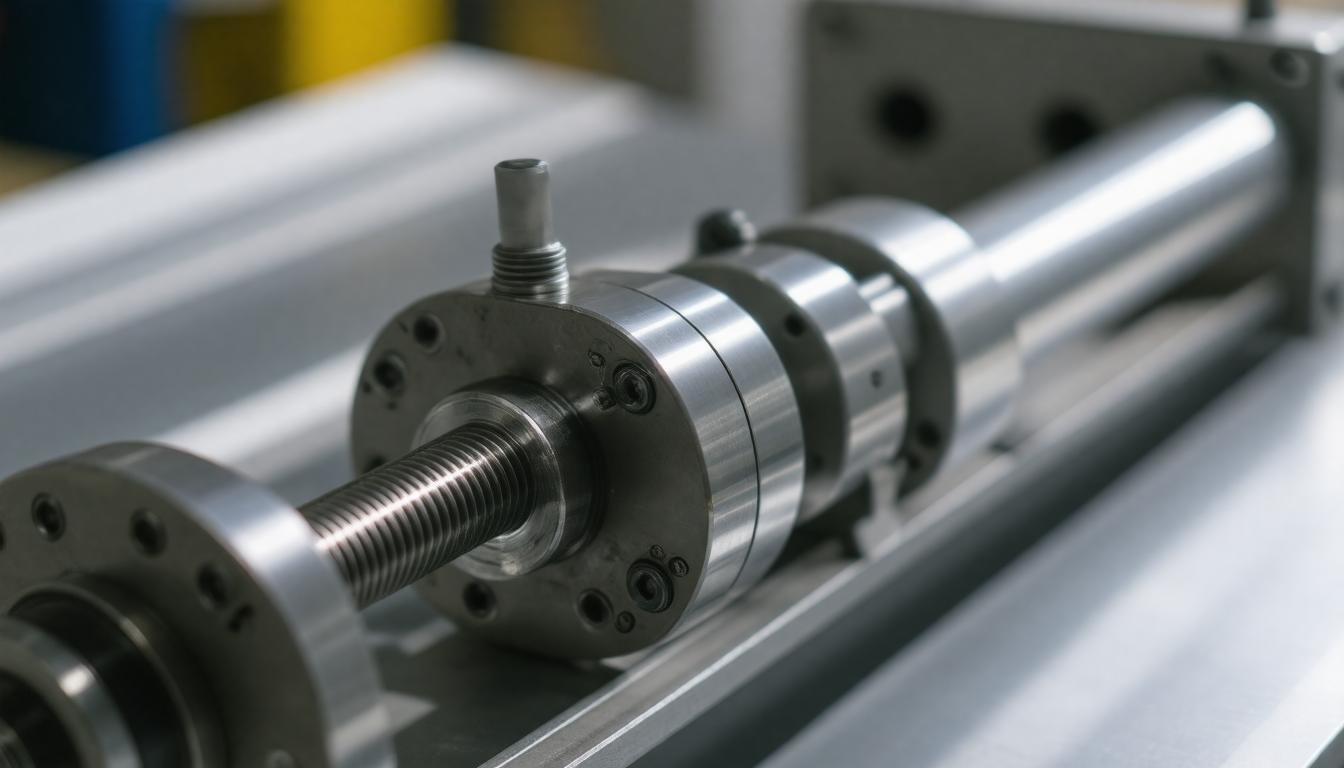
When machines need to move something in a straight line—whether it’s adjusting a robot’s arm or opening a valve—they rely
UK mainland delivery
Stock on hand in our UK warehouse
Online and phone support
Safe online payment options