
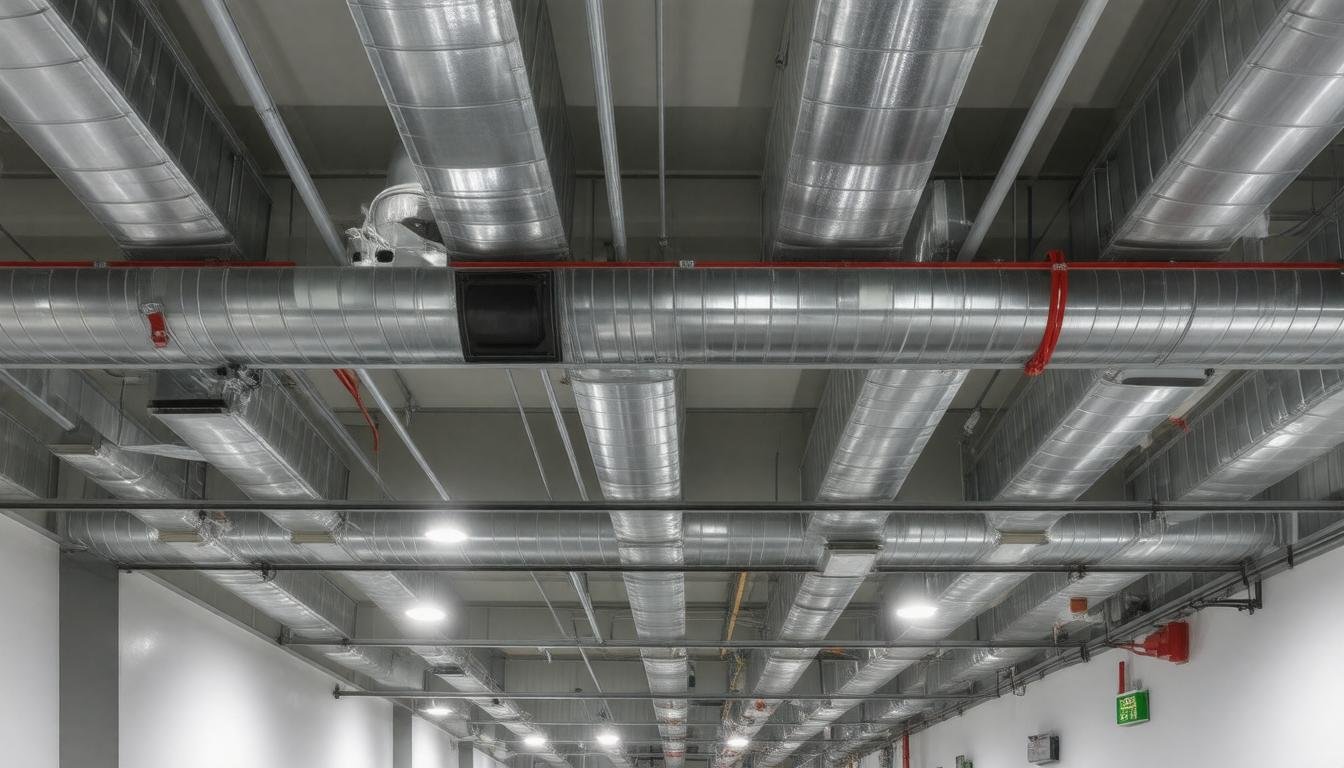
Smoke Ventilation System Design Guide: Best Practices for Building Code Compliance
Smoke ventilation systems might not be the first thing you think about when walking into a building, but they play
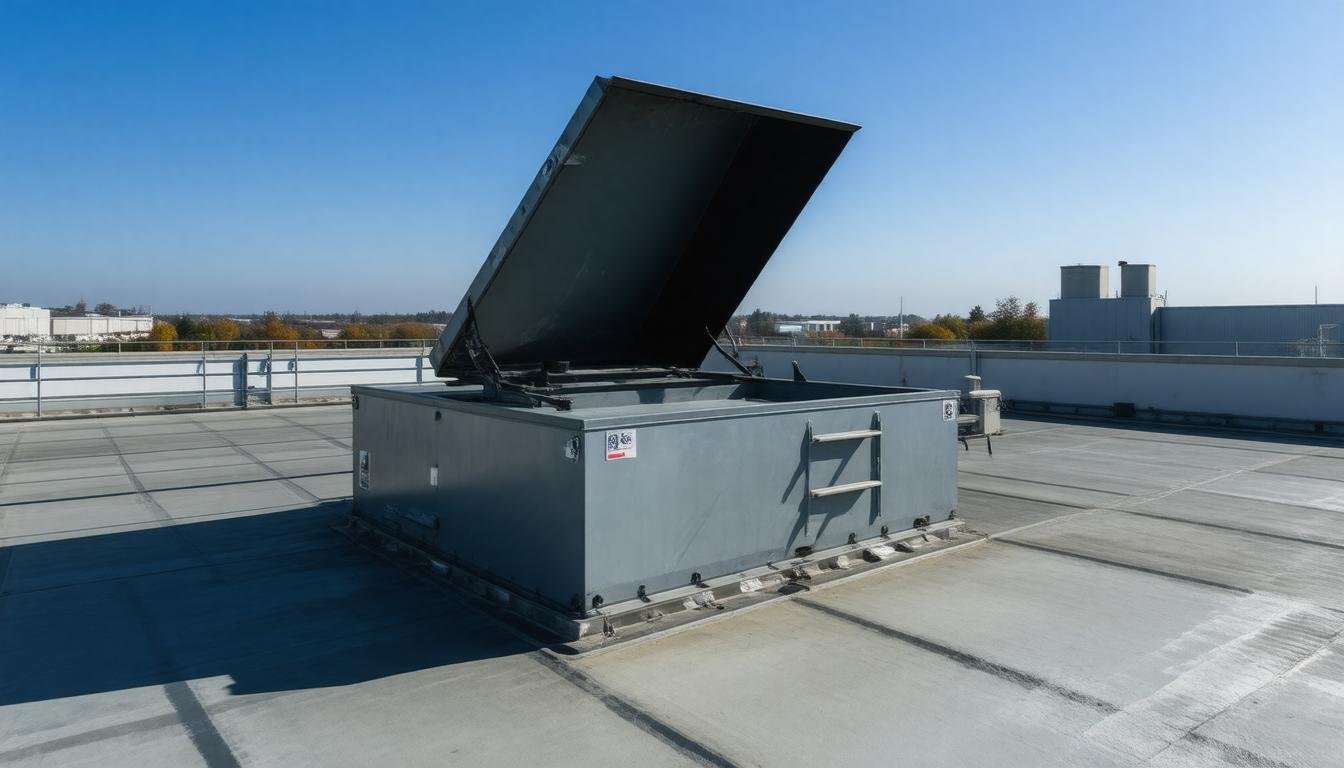
Roof access hatches might not be the most glamorous feature of a building, but they play a crucial role in making rooftop spaces safe and easy to reach. Whether you’re managing a commercial property or enjoying a rooftop terrace at home, having a well-designed hatch means safer maintenance trips and smoother emergency exits. In this article, we’ll break down why these humble openings matter, what benefits they bring, and how safety features keep everyone protected when going up on the roof.
Roof access hatches provide safe and convenient entry points to flat roofs for maintenance, inspections, or access to rooftop installations such as HVAC units in non-residential buildings. In residential settings, they enable access to rooftop terraces while also enhancing natural daylight and usability of living spaces.
A roof access hatch primarily acts as a gateway for maintenance crews and inspectors, making routine checks safer and more efficient.
Commercial and industrial buildings especially depend on these hatches to reach HVAC units, satellite dishes, solar panels, and other rooftop equipment without the hazards of climbing exterior ladders.
According to a 2024 survey by the National Roofing Contractors Association, nearly 78% of commercial flat roofs use access hatches precisely for such maintenance activities.
This not only minimises risk but also prevents costly delays by providing quick, indoor routes to rooftop systems.
Beyond maintenance, roof access hatches function as critical emergency egress points during fires or other building emergencies.
Their inclusion in schools, hospitals, and high-rises aligns with stringent fire safety regulations aiming to provide alternative escape routes when conventional exits are blocked.
For example, rooftop hatches enable occupants to reach safer upper areas or await rescue from emergency responders.
OSHA data highlights that 42% of roof hatches in commercial settings fulfil this vital role.
As such, these hatches frequently incorporate features like self-closing covers and clear signage to ensure readiness under stress.
In residential contexts, roof access hatches open possibilities beyond utility—they unlock potential living space with terraces or green roofs nestled above urban surroundings.
These installations enhance both lifestyle and property value by maximising usable outdoor areas where ground-level options are limited.
Modern glazed roof hatches equipped with triple glazing and smooth electric controls allow homeowners to safely and comfortably transition between indoors and rooftops.
This balance of safety, accessibility, and aesthetic appeal exemplifies how design innovation meets evolving residential needs.
Understanding these diverse applications sets the stage for examining how specific design elements and functional benefits come together in today’s roof access hatch technology.
When we talk about roof access hatches, their features fundamentally shape how well they perform in everyday use. One standout characteristic is insulation. This isn’t just a technical add-on; it’s a critical component that conserves energy and contributes to the building’s overall comfort level.
Insulated hatches act as a thermal barrier, preventing unwanted heat escape during cold seasons and blocking heat intrusion when it’s warm outside. This means reduced strain on HVAC systems, which translates into lower energy bills and a smaller environmental footprint—key considerations in modern commercial buildings striving for sustainability certification or compliance with evolving energy regulations.
A deeper look at materials reveals why insulation matters so much. Panels embedded with mineral wool or high-performance foam cores create an effective seal without adding excessive weight. For example, Mercor UK’s BA-FRI fire-rated doors not only provide up to two hours of fire protection but also leverage 2-inch thick mineral wool insulation to maintain thermal performance—a meticulous balance between safety and energy efficiency that today’s buildings cannot compromise on.
Beyond temperature control, the ease with which these hatches can be operated plays a substantial role in their daily utility and maintenance.
In environments where frequent access is necessary—think IT rooms or mechanical spaces—ease of use becomes more than convenience; it impacts operational efficiency. The emergence of electric or pneumatic opening mechanisms answers this challenge by enabling remote or hands-free operation.
These features reduce the need for manual handling, lessen physical wear on the hatch components, and speed up maintenance tasks. Moreover, tool-free magnetic closures such as Mercor’s BA-EZMAG panels allow for swift access without fiddling with screws or latches, cutting downtime while preserving the finish quality around the hatch.
This approach isn’t solely about streamlining workflow; it’s a thoughtful design response to practical realities on site. When maintenance crews can open these panels with ease, inspections become less daunting and better routine compliance is fostered—a subtle yet powerful advantage in workplace safety culture.
While insulation and operation define functionality, durability and security guarantee the hatch will stand up to demanding conditions over time.
High-grade metals like welded aluminium frames offer impressive resistance against rust, corrosion, warping, and fatigue—common challenges faced by rooftop installations exposed to elements year-round. For instance, Mercor’s BA-IVHDF series exemplifies this by combining ruggedness with a near-invisible drywall inlay system that preserves architectural aesthetics without sacrificing strength or longevity.
Security measures complement durability by protecting critical infrastructure from unauthorised entry. Robust tamper-proof locks prevent break-ins while maintaining easy authorised access. This is especially vital for buildings housing sensitive equipment or data centres where breaches could lead to significant losses or downtime.
Integrating these elements ensures that roof access hatches are not just passive openings—they function as secure gateways designed with foresight and precision.
“Durability coupled with smart security solutions forms the foundation of reliable roof access—it’s an investment that pays dividends in safety and performance.”
Taken together, features like advanced insulation, effortless operability, and resilient construction transform roof access hatches from simple architectural necessities into intelligent system components. These details matter because they influence everything from regulatory compliance to daily user experience, embodying a commitment to quality that extends across installation lifetime.
Navigating these innovations requires a careful look at how safety protocols intersect with security demands—areas crucial for protecting both buildings and occupants alike.
Ensuring the safety and security of roof access hatches goes far beyond simply installing them. These access points serve as potential hazards if not properly managed, especially in commercial or industrial environments where multiple personnel might use them regularly. One fundamental safety feature is the installation of guardrails around the hatch opening. These rails act as a physical barrier, dramatically reducing the chance of accidental falls when someone is entering or exiting the hatch. Guardrails are more than just a precaution; they become an integral part of safe roof access protocols, meeting building codes that prioritise occupant protection.
For buildings where frequent roof access occurs—whether for maintenance teams or inspections—guardrails should be installed with robust materials and positioned to allow ample clearance for comfortable movement while preventing any slip or misstep. This mitigates one of the most common risks associated with roof work: falling through open hatches.
Beyond physical barriers, adherence to regulatory frameworks is indispensable in creating a secure roof access environment.
Compliance with Occupational Safety and Health Administration (OSHA) standards plays a pivotal role in managing risks related to roof access hatches. OSHA designates fall hazards as a leading cause of workplace fatalities, accounting for roughly 15% of all accidental deaths annually. This startling statistic underlines why OSHA mandates specific safeguards like guardrails, stairways, ladders, and personal fall arrest systems where necessary. Observing these regulations isn’t optional; it’s essential for legal compliance and protecting human life.
“A well-designed roof hatch system never compromises on OSHA compliance—the stakes are just too high.”
Integrating these requirements into building design and maintenance routines not only reduces accident likelihood but also shields facilities from costly liabilities related to workplace injuries. Employers bear the responsibility to assess risks continuously and ensure all measures surrounding roof hatch access meet or exceed these safety thresholds.
While physical protections keep people safe on site, another dimension of hatch security addresses who is allowed to gain access to roofs.
A secure locking system on roof access hatches is vital to prevent unauthorised entry that could lead to vandalism, theft, or unsafe situations. Basic mechanical locks remain common, but advanced options now come with electronic keypads offering programmed access control. These digital locks can track every entry and exit event, creating an audit trail for accountability—a feature particularly beneficial in corporate and multi-tenant buildings where roof access might be restricted to authorised personnel only.
Using electronic locking systems not only enhances security but also provides peace of mind by logging activity patterns that can reveal unusual or unauthorised attempts at entry. This level of monitoring increases overall building security strategies beyond traditional methods like keys or padlocks. Given that rooftops often house sensitive equipment such as HVAC units or communication antennas, securing these points helps safeguard significant investments.
When selecting a locking system for your roof hatch, consider integrating it with broader facility access management systems to streamline operations and enhance security coherence across all entry points in your building.
Ultimately, the combination of guardrails, strict compliance with OSHA safety standards, and secure locking mechanisms form a triad that together upholds both physical safety and security integrity surrounding roof access hatches. Neglecting any element can undermine the others, so balanced attention across all these aspects ensures that safe roof access isn’t just a building code requirement but a practical safeguard for everyone involved.
Facilities managers looking for expert guidance or bespoke solutions on fire protection and safety—including roof hatch safety components—can benefit greatly from professional services such as those offered by Mercor UK. Their expertise spans compliant installations and ongoing maintenance tailored specifically for UK regulations and building conditions.
With safety protocols firmly in place, attention naturally shifts toward how these protective designs can withstand weather conditions while maintaining energy efficiency—a crucial topic when considering the durability and performance of roof installations.
Weatherproofing isn’t just a nice-to-have feature—it’s fundamental. A roof hatch that lets even a single drop of water leak through can cause costly damage over time. That’s why watertight seals are a non-negotiable element in quality designs. These seals form a barrier that blocks rain and snow from sneaking into the building. Without them, moisture can collect inside walls or ceilings, sparking mould growth and deteriorating structural materials. Imagine a poorly sealed hatch on a rainy day: what starts as minor leaks quickly turns into persistent drips damaging valuable assets below.
When selecting hatches, look for those equipped with durable gaskets or neoprene seals that tightly close the gap between the hatch cover and frame. These seals not only keep moisture out but also help maintain balanced humidity levels inside, which combats mould and mildew effectively—a common concern for property owners in the UK’s often damp climate.
On top of keeping water at bay, materials exposed to long hours of sunlight must contend with ultraviolet (UV) radiation—a silent destroyer of outdoor equipment.
UV resistance is baked into the best roof access hatches to prevent cracks, fading, or brittleness that can occur when plastic or metal parts degrade under constant sun exposure. This means your hatch won’t just function well when new—it will stay functional and visually appealing for years. For buildings with rooftop solar panels or HVAC units, preserving the integrity of these hatches under harsh sunlight guarantees uninterrupted maintenance access without surprise repairs.
While water and sunlight are formidable foes, temperature extremes require special attention too since roofs face both blistering heat in summer and freezing conditions in winter.
To tackle this challenge, manufacturers incorporate advanced insulation solutions like triply-glazed glass or multi-layered insulating panels within hatch designs. These features are more than just technical specs; they actively help regulate indoor temperatures by reducing heat loss during cold months and keeping excess heat outside during warmer periods. This level of insulation supports energy efficiency goals that many modern buildings strive to meet—and sometimes is mandatory to comply with updated building regulations focused on sustainability.
Highly insulated hatches contribute silently but significantly to lowering heating and cooling bills, protecting both the environment and your budget.
Here’s a brief overview highlighting key weatherproofing and insulation features to look for:
| Feature | Purpose | Benefit |
|---|---|---|
| Watertight Seals | Block water ingress | Prevent moisture damage & mould |
| UV-Resistant Materials | Protect against sun-induced wear | Maintain durability & aesthetics |
| Multi-layer Insulation | Regulate temperature transfer | Enhance energy efficiency |
If you’re investing in new roof access hatches—or considering replacements—prioritise products that combine these weatherproofing and insulation qualities. Companies like Mercor UK provide expert guidance on choosing models optimised for UK weather conditions plus compliant with fire safety standards. Their portfolio includes options designed specifically for long-term performance in commercial and residential buildings alike.
Having covered how critical weatherproofing and insulation are to roof access hatches’ longevity and efficiency, understanding their diverse types provides further insight into selecting the perfect solution for your building needs.
Roof access hatches come in a variety of designs tailored to match specific functional requirements, safety standards, and architectural preferences. The first major distinction is between manual and automated hatches.
Manual models are straightforward—typically involving a simple lift or push mechanism that requires physical effort. This simplicity makes them cost-effective and reliable for buildings that only need occasional roof visits, such as small offices or storage facilities. However, the trade-off is convenience; repeated opening and closing can be tiring, especially in larger commercial settings where roof inspections or maintenance happen frequently.
Automated hatches alleviate this issue by integrating gas spring assists or electric motors. These additions allow users to operate the hatch effortlessly with a button or remote control, which enhances not only ease but also safety by minimising abrupt manual force that could cause accidents. For places like hospitals, schools, or large apartment complexes, where roof access is routine, automation often proves indispensable despite its higher upfront costs.
Beyond operation mechanisms, walkable covers provide another level of specialised functionality. These are designed with strong glass or composite panels that can safely support foot traffic while maintaining a sleek roofline. Installing such a hatch means you preserve valuable rooftop space without bulky raised structures interrupting the surface.
This feature is especially useful for flat roofs used as service areas or leisure terraces because it blends access seamlessly into the roof’s appearance without compromising durability or waterproofing.
To complement this idea, skylight hatches combine two functions into one: they serve as windows letting natural light pour into rooms below while doubling as an access point to the rooftop.
For residential buildings in particular, this dual purpose elevates both aesthetics and practicality—daylight improves interior comfort and mood, while easy roof access simplifies maintenance of things like solar panels or garden terraces.
| Hatch Type | Key Features | Best Use Cases | Typical Benefits |
|---|---|---|---|
| Manual Hatches | Simple manual lifting; low-cost | Low-frequency roof access | Reliability, affordability |
| Automated Hatches | Motorised/gas spring-assisted | High-frequency or difficult access | Convenience, enhanced safety |
| Walkable Covers | Strong glass/composite; supports foot traffic | Flat roofs with limited height clearance | Space efficient; preserves roof aesthetics |
| Skylight Hatches | Transparent glazing + roof access | Residential and ambient-light focused buildings | Natural light + functional access |
When selecting a hatch type, it’s crucial to consider not just cost but how often the rooftop will be accessed and whether features like light entry or walkable surfaces add value to your building’s design. A well-chosen hatch can improve safety compliance dramatically by reducing reliance on external ladders and adding guardrails or locking mechanisms tailored to each form.
Material choices—from aluminium and fibreglass to steel and polycarbonate—affect durability and maintenance needs. Weight ratings inform load capacity (important if equipment must occasionally be moved through the hatch), while weather resistance ratings ensure long-term performance against the elements.
Matching your building’s usage profile with the right combination of operation style, cover type, and material specifications maximises safety and functionality, making rooftop access less daunting and more secure over time.
For expert advice tailored to your project’s unique demands, reaching out to specialists like those at Mercor UK ensures informed decisions backed by quality products and trusted installation support.
With a clear understanding of the types of roof access hatches available and their benefits, attention naturally turns toward how to properly instal and maintain these vital components. Ensuring correct installation practises and regular upkeep plays a critical role in extending hatch lifespan and enhancing safety on rooftops.
Proper installation of a roof access hatch starts before the hatch even arrives on site. Measuring the rough opening with precision is the foundation for everything that follows. It’s not merely about fitting the hatch into a hole but ensuring the frame is solidly anchored to support daily use and withstand environmental stresses. If the framing isn’t secure, you risk not only operational problems but also structural damage to your roofing system over time.
Following the framing, installing the upstand correctly is vital. The upstand acts as a raised barrier between your roof and the hatch cover, preventing water from pooling around the edges—a common weak point prone to leaks. Securing it firmly into the roofing structure isn’t optional; it’s essential. The upstand needs to align perfectly with your roof’s pitch and surface materials to provide a snug fit that can resist wind uplift and heavy rain.
Next comes applying weatherproof flashing around the upstand. This step often gets overlooked or rushed, but effective flashing is what keeps moisture out, protecting both your roof and building interior from water damage. Think of flashing like armor—it wraps tightly around joints, stopping intrusion where two surfaces meet. Using high-quality materials compatible with your roofing membrane ensures long-term durability.
Once the base is set, placing the hatch cover demands equal attention.
When positioning the hatch cover, testing its operation cannot be skipped. Whether your hatch uses a simple manual mechanism or an electric actuator—like those in Mercor UK’s BA-ALRF-LA models—smooth functionality safeguards against wear and user frustration. A hatch that sticks or won’t lock properly can lead to safety hazards or security vulnerabilities.
After installation comes routine maintenance, perhaps more critical than many realise. Twice yearly inspections give you a chance to catch developing issues early—check specifically for any leaks seeping around flashings or seals, which can quietly degrade roofing materials. Hinges and locks bear repeated use and exposure, so lubricating them with appropriate products keeps them agile instead of rusty or stuck.
Replacing worn seals on schedule helps maintain weather-tightness and energy efficiency by preventing drafts or moisture infiltration. This simple step not only extends the life of your hatch but contributes to overall building comfort and reduced energy bills.
In my experience working with commercial clients using Mercor UK’s range of roof hatches, those who follow these regular steps enjoy fewer emergency repairs and longer-lasting installations. The peace of mind knowing your rooftop access is safe, weatherproofed, and efficient makes regular investment in maintenance a clear priority—not just good practise but smart asset management.
“Proper installation combined with diligent upkeep transforms a roof hatch from just a functional feature into a reliable gateway for building maintenance.”
Considering installation complexity and ongoing care from day one ensures your roof access hatch will serve faithfully through many years of changing weather conditions and operational demands.
The details involved in choosing and maintaining these components highlight how critical each decision is—from initial measurements to ongoing inspections—underscoring the importance of making informed choices about design and quality.
This foundation sets us up perfectly for exploring how to identify options that best suit specific project requirements in terms of size, strength, and compatibility with roofing systems.
Choosing the perfect roof access hatch is more than just finding a well-built door to your rooftop; it’s about matching the hatch to your building’s unique requirements. Whether commercial or residential, this choice must take into account how often the hatch will be used, what kind of environment it will face, and how it fits within your budget.
If you’re dealing with a commercial property—say, a hospital or an office building—the priority often leans heavily towards durability and security. These hatches typically see frequent traffic from maintenance personnel who need reliable and safe access to air conditioning units, ventilation equipment, or other rooftop systems.
A hatch that can withstand constant use without faltering is essential here.
On the flip side, residential buildings often require something a little different—a hatch that combines safety with ease of use and aesthetic appeal. Homeowners want something that blends seamlessly with their home design while remaining simple enough to open when heading out to rooftop terraces or gardens. In such cases, features like glazed covers for natural light and smooth electrical operation can make a meaningful difference in daily usability.
Another layer to consider carefully is the building’s exposure to weather elements. For example, if your structure resides in a region prone to heavy rain, selecting hatches with highly effective waterproof seals such as EPDM or neoprene gaskets is non-negotiable.
These materials help ensure watertight closure, keeping interiors dry even during intense storms.
In sunnier or hotter climates, UV protection and heat-resistant materials become paramount. Fibreglass hatches excel here since they resist corrosion and temperature fluctuations better than many metals.
Ignoring these factors might lead to faster deterioration, causing leaks or warped components that compromise safety and energy efficiency.
| Feature | Budget Range | Recommended Use |
|---|---|---|
| Basic Manual Hatch | £200 – £400 | Low-traffic areas, basic access |
| Fully Automated Hatch | £800 – £2000 | High-traffic, convenience, security |
| High Insulation Hatch | £600 – £1200 | Energy-efficient buildings, cold climates |
As you look through your budgetary options, remember that investing a bit more upfront on features like automation—which allows electronic opening—or improved insulation can pay dividends over time through easier access and reduced energy loss.
Particularly in cold environments or buildings striving for sustainability certifications, hatches with higher R-values help keep those costly heating bills down by reducing heat transfer.
Finding the balance between cost and functionality means weighing your building’s real demands against what fits your financial plan. It’s always wise to consult specialists who can tailor recommendations precisely—companies like Mercor UK offer a range of quality options suited to diverse needs and have experience advising customers to get this balance right.
Once you’ve locked in on the right hatch type for your needs, attention naturally shifts toward proper installation and adherence to safety standards—topics we’ll explore next to ensure long-term satisfaction and worry-free rooftop access.
Selecting the right roof access hatch tailored to your building’s purpose and environment not only enhances safety but also increases energy efficiency over time. To take the next step toward securing smart, durable rooftop access solutions, request a quote today at Mercor UK.
Commercial buildings, industrial facilities, and multi-story residential complexes commonly require roof access hatches to provide safe and convenient entry for maintenance, inspections, and emergency egress; in fact, over 70% of nationwide commercial structures incorporate roof hatches to streamline HVAC and roofing services while enhancing overall building safety.
Absolutely, roof access hatches aren’t just popping up willy-nilly; they must follow building codes like the International Building Code (IBC) and local safety regulations that specify size, load capacity, and weatherproofing to keep things safe and sound. For instance, OSHA mandates safe access for maintenance workers—because nobody wants a rooftop tumbler! Studies show that compliant installations reduce accidents by over 30%, proving that these rules aren’t just red tape but lifesavers in disguise.
Roof access hatches drastically improve safety by providing secure, controlled entry points to rooftops, reducing the risk of falls and unauthorised access during maintenance. Studies show that buildings with properly installed roof access hatches experience up to 40% fewer rooftop-related accidents because these hatches eliminate the need for precarious ladder climbs and offer a stable platform for workers to enter and exit safely. Plus, their built-in locking mechanisms prevent accidental openings—a small feature that keeps big risks at bay!
Roof access hatches typically feature durable materials like galvanised steel, aluminium, or fibreglass to withstand harsh weather and ensure longevity. Designs often include insulated covers for energy efficiency, weatherproof seals to keep out moisture, and gas springs or counterbalanced lids for easy operation. According to industry data, over 70% of commercial roof hatches use galvanised steel for its strength and corrosion resistance, while fibreglass options appeal to those needing lightweight and non-conductive solutions—balancing practicality with safety in every climb.
Roof access hatches trump ladders and exterior staircases by offering a safer, more weatherproof, and discreet entry point right from inside the building—no scaling or soggy steps required! Unlike ladders, which cause nearly 80% of roof-related falls, hatches reduce risk by providing secure internal access. Exterior staircases can be bulky and expensive, while hatches save space and maintenance costs. In short: hatches are the VIP elevator to your rooftop party—safe, sleek, and straight from indoors.
Smoke ventilation systems might not be the first thing you think about when walking into a building, but they play
When it comes to keeping your home safe from fire, smoke can often be the biggest danger—more than heat or
UK mainland delivery
Stock on hand in our UK warehouse
Online and phone support
Safe online payment options