
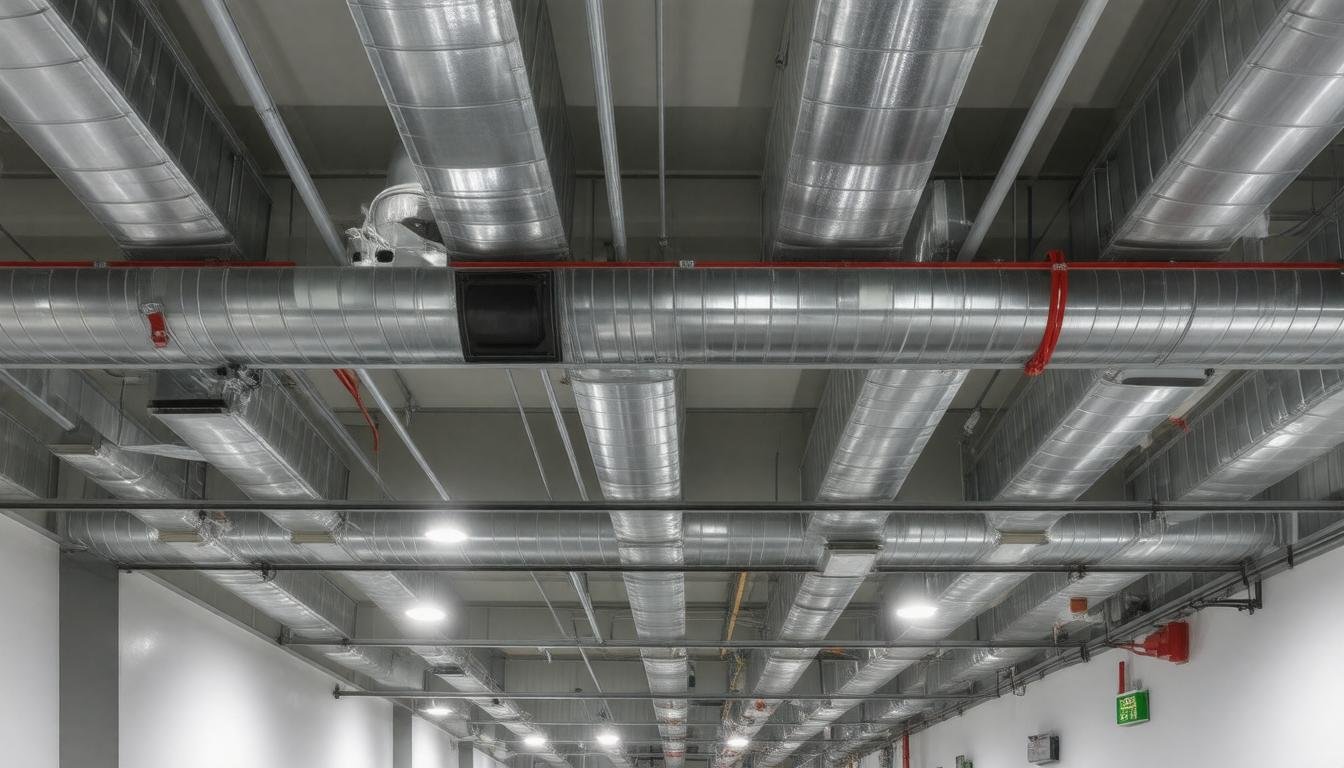
Smoke Ventilation System Design Guide: Best Practices for Building Code Compliance
Smoke ventilation systems might not be the first thing you think about when walking into a building, but they play
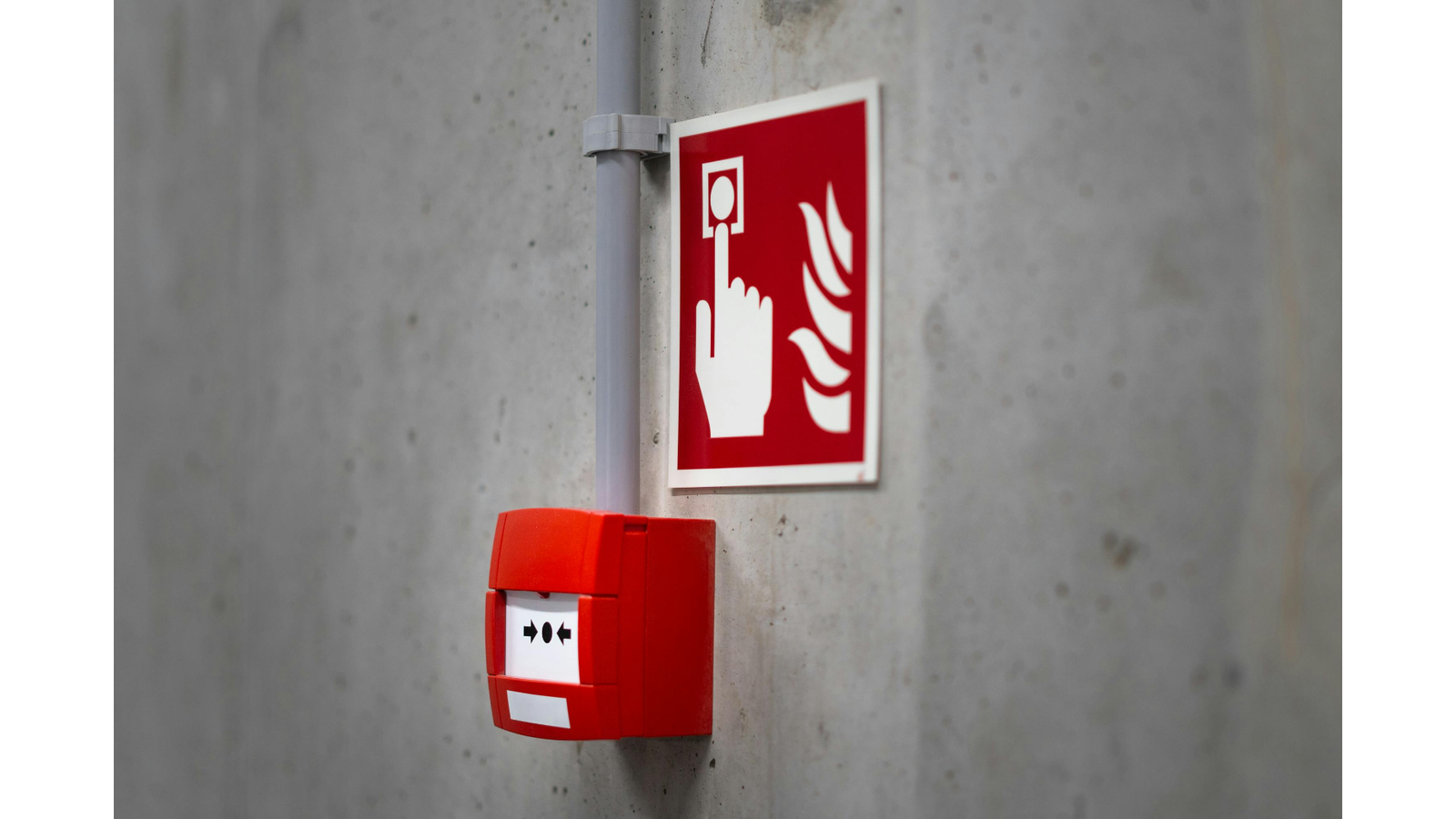
Ventilation might not be the first thing on your mind when thinking about a comfortable home or office, but it plays a huge role in how fresh and healthy the air you breathe actually is. Choosing between natural and mechanical ventilation isn’t just about opening a window or turning on a fan—it’s about finding the right balance of airflow, energy use, and safety for your space. Let’s break down what makes each system work, where they shine, and what challenges come with them so you can make an informed choice that keeps your indoor air just right.
Natural ventilation relies on passive forces such as wind and temperature differences to move air through a building without mechanical assistance, offering energy savings and simplicity but with less control and reliability. In contrast, mechanical ventilation uses engineered systems like fans and ducts to actively control airflow, providing consistent, controllable ventilation and enhanced smoke extraction capabilities essential for fire safety, though it requires power and maintenance.
Natural ventilation leans heavily on the building’s design—windows, vents, roof louvres like Mercor-UK’s mcr LAM Roof Louvre—that allow air to flow in and out by harnessing wind and temperature differences. This simplicity comes with clear advantages: it costs almost nothing to run since there’s no electricity involved, and it has a minimal carbon footprint, making it very eco-friendly. However, this beauty is also a limitation—airflow depends entirely on outdoor conditions, which means if the weather isn’t cooperating or if you live in an area with high pollution, natural ventilation may struggle to deliver consistent fresh air.
On the other hand, mechanical ventilation introduces power-driven fans, ducts, and carefully engineered controls that actively manage air circulation all year round. Products like Mercor-UK’s smoke exhaust fans and automatic opening vents (AOVs) provide dependable airflow tailored to specific building zones. These systems guarantee performance regardless of wind or temperature, crucial for buildings with high fire safety demands or those located in urban environments where outdoor air quality fluctuates sharply. Indeed, mechanical solutions often integrate sensors and smart controls—adjusting ventilation based on humidity or smoke detection—to maintain optimal indoor conditions.
The contrast becomes even clearer when considering factors like energy use, control, and maintenance.
While natural setups require minimal upkeep—mostly cleaning vents yearly—and zero energy consumption during operation, they offer limited control. This can lead to inconsistent air changes per hour (ACH), typically between 0.5 to 3 ACH based on design and weather. Mechanical ventilation usually consumes between 100 to 300 kWh annually but compensates by delivering stable ACH rates that can be precisely managed. Philtres in mechanical systems enhance indoor air quality by trapping up to 90% of pollutants such as pollen or dust—a feature entirely absent from passive natural ventilation.
Here is a comparative snapshot highlighting these practical distinctions:
| Aspect | Natural Ventilation | Mechanical Ventilation |
|---|---|---|
| Energy Use | 0 kWh (passive) | 100-300 kWh/year |
| Installation Cost | Low ($0–$500 primarily design-based) | Higher ($1,000–$5,000 depending on system) |
| Maintenance | Minimal annual cleaning | Quarterly to biannual philtre/system checks |
| Air Change Rate (ACH) | 0.5–3 ACH variable | Controlled at 0.5–2 ACH consistently |
| Indoor Air Quality | Dependent on outdoor air | Philtres reduce pollutants by up to 90% |
| Control & Flexibility | Limited, dependent on weather | High control via sensors/smart systems |
| Noise Levels | Minimal | Moderate (20–50 dB depending on setup) |
| Suitability for Climate | Best in mild climates | Suitable for all climates |
These differences highlight that natural ventilation appeals most to those prioritising low environmental impact and cost savings, especially in temperate regions with good outdoor air quality. However, mechanical systems are indispensable where safety regulations demand reliability—such as preventing smoke spread during fires—or where environmental conditions make natural airflow insufficient.
From a fire safety perspective—which is Mercor Fire Protection UK’s core specialty—the precision and rapid response capabilities of mechanical ventilation systems like lobby dampers and AOVs are often preferred for high-rise buildings or complex layouts. Conversely, natural ventilation remains invaluable for its passive resilience during power failures because it continues operating without reliance on electricity.
Understanding the operational strengths of both ventilation methods lays the groundwork for exploring how each approach impacts indoor contaminant levels and overall air purity—key factors in maintaining safe and comfortable environments.
One of the essential roles ventilation systems play is safeguarding indoor air quality by managing pollutants and ensuring fresh air circulates efficiently. This responsibility becomes even more critical given modern lifestyles where people spend upwards of 90% of their time indoors. Without proper ventilation, contaminants from everyday activities—cooking fumes, cleaning chemicals, even off-gassing from furniture—can build up and degrade the air quality.
Consider a simple scenario: a family living in a busy city centre, relying on open windows for airflow. While a gentle breeze might seem refreshing, it can also usher in traffic exhaust, pollen, or dust particles that aggravate allergies or asthma. This invisible trade-off — fresh yet polluted — underscores the limitations of natural ventilation in urban settings.
Unlike natural ventilation, which depends purely on environmental forces like wind and temperature differences to push fresh air through openings such as vents or windows, mechanical ventilation uses controlled systems equipped with high-efficiency philtres. These philtres capture airborne particles including pollen, dust mites, and even microscopic particulate matter (PM2.5), which studies show can be reduced by 30-50% in mechanically ventilated buildings.
Beyond just blocking large particles, advanced systems can also minimise volatile organic compounds (VOCs)—gases emitted from paints, cleaning agents, and other household products—that natural airflow cannot selectively philtre.
Systems like Mechanical Ventilation with Heat Recovery (MVHR) take this a step further by not only filtering incoming air but also recovering heat from the outgoing stale air. This balanced exchange prevents energy loss while continuously supplying clean air.
For individuals sensitive to allergens or respiratory conditions, this is invaluable since MVHR has been proven to maintain lower concentrations of indoor pollutants and stabilise CO2 levels below 800 ppm—well within recommended healthy limits.
“Mechanical ventilation isn’t just about moving air; it’s about improving the quality of that air with precision.”
Mechanical systems tailored for fire safety and smoke extraction—such as those offered by Mercor-UK—are designed with similar exacting standards. They combine robust filtration with automated control panels and sensors to adapt airflow instantly in emergencies while maintaining daily air quality.
This dual functionality exemplifies the modern trend towards integrated building management where ventilation contributes both to comfort and safety.
| Pollutant Type | Natural Ventilation Effectiveness | Mechanical Ventilation Effectiveness |
|---|---|---|
| Particulate Matter (PM2.5) | Variable; often increases with outdoor pollution | Reduces indoor PM2.5 by up to 50% |
| Allergens (Pollen, Dust) | Unfiltered entry; can exacerbate symptoms | Captured effectively by philtres |
| Volatile Organic Compounds | Little impact; VOCs accumulate indoors | Reduced by 25–40% due to controlled airflow |
| Carbon Dioxide | Indoor CO2 often exceeds 1000 ppm | Maintains CO2 below 800 ppm |
| Smoke & Fire Safety | Relies on passive chimney draught | Active smoke extraction with alarms & fans |
This table clarifies why mechanical ventilation is steadily becoming a preferred choice especially in modern UK buildings aiming for sustainability without sacrificing indoor environmental quality.
While natural ventilation carries the charm of simplicity and zero energy use, its uncontrolled nature makes it unreliable where airtightness is key for insulation or where outdoor air quality is compromised.
Moreover, relying solely on natural ventilation could conflict with strict UK regulations targeting energy efficiency and fire safety standards. In contrast, mechanical solutions—though requiring some electricity—offer precise airflow control aligned with these regulations while minimising carbon footprint through heat recovery technologies.
For designers or homeowners weighing options, considering installation of mechanical systems like those from Mercor-UK means investing not just in compliance but in healthier living spaces.
The integration of smart sensors further enhances performance by adapting ventilation rates based on occupancy or detected pollutant levels, optimising both air quality and energy use.
As we explore these technological advancements that refine how we manage indoor environments, it’s equally important to evaluate the financial and energy implications behind these systems to make informed choices about sustainable living.
Efficiency in energy use is a cornerstone concern when deciding between natural and mechanical ventilation. Natural ventilation, relying on passive airflow through windows or vents, boasts an appealingly low energy footprint because it uses no electricity beyond human effort to open or adjust openings. This means it incurs minimal operational costs, making it attractive from an energy-saving standpoint. However, nature doesn’t always cooperate: when outdoor temperatures fall too low or rise sharply, natural airflow may not be sufficient or even desirable, leading to inconsistent indoor comfort and inefficient heat retention or cooling.
On the flip side, mechanical ventilation systems require electricity to power fans, sensors, and control units, demanding a greater energy input upfront and ongoing operational costs. Yet this energy tradeoff brings with it consistency—mechanical systems can deliver precisely controlled airflow regardless of weather conditions outside.
For example, advanced solutions like Mercor-UK’s lobby dampers don’t only manage airflow but optimise it for building safety and efficiency simultaneously. Over time, these systems can lead to more stable indoor environments that reduce the need for extra heating or cooling, indirectly saving energy in other parts of the building’s ecosystem.
| Type of Ventilation | Energy Consumption | Initial Cost | Maintenance Cost |
|---|---|---|---|
| Natural | Very Low (passive) | Low | Low |
| Mechanical | Moderate to High (electrical operation) | Moderate to High | Moderate to High |
When examining costs beyond just the energy bills, natural ventilation shines with its lower installation and maintenance expenses. No motors to repair or philtres to replace keeps complexity—and costs—down. But this simplicity can mean compromises in comfort, especially during extreme weather where unwanted drafts or heat loss occur.
With rising expectations for indoor air quality and climate control precision, natural ventilation’s limitations become apparent.
Mechanical systems require a bigger financial commitment initially—not just in purchasing but also in professional installation and periodic servicing—and they consume electricity continually.
Yet this investment buys reliability: tight control over ventilation rates improves occupant comfort and health while often integrating filtration technology that natural methods cannot match. For buildings needing strict environmental controls, such as commercial spaces or high-occupancy areas, mechanical ventilation often represents a smarter long-term solution despite upfront costs.
What many overlook is the value gained by combining both strategies creatively—leveraging natural ventilation when conditions permit to cut down energy use and then supplementing with mechanical assistance during peak demand periods or in critical zones ensures a balance of cost efficiency and performance that neither system achieves alone.
This hybrid approach not only aligns with progressive fire protection standards promoted by organisations like Mercor-UK but also meets growing regulatory requirements aimed at minimising carbon footprints without compromising safety or comfort.
Imagine an office lobby equipped with Mercor-UK’s automated lobby dampers allowing airflow tailored precisely based on current conditions rather than running fans full throttle 24/7. This kind of intelligent mechanical control curbs needless energy consumption while maintaining consistent ventilation levels essential for smoke control and air quality during emergencies—something completely out of reach for passive systems alone.
Grasping these trade-offs highlights why understanding costs and energy demands is just one piece of the puzzle; next we examine how installation and maintenance shape your overall experience and performance expectations from these ventilation strategies.
Natural ventilation systems tend to be the simpler option to get up and running. Installing features such as louvres, roof vents, or operable windows usually calls for minimal construction work—often just adjusting or replacing parts of the existing building envelope. This simplicity means fewer disruptions during setup and typically lower initial expenses.
In contrast, mechanical ventilation demands a much more elaborate installation. It’s not merely about placing fans or vents; entire duct networks must be designed and routed throughout the space, requiring coordination with electrical wiring and sometimes HVAC integration.
This complexity can extend installation timelines and increase costs due to labour, materials, and potential structural modifications needed to accommodate the system components.
For building managers or homeowners considering mechanical ventilation, it’s critical to factor in these upfront challenges early in planning. Working with certified professionals ensures that the system is tailored correctly for the space’s size, use, and indoor air quality goals as defined by standards like ASHRAE 62.1.
While natural ventilation’s upkeep is less demanding overall, neglecting even its simple care routines can hinder performance and negate energy-saving benefits.
Mechanical systems offer more control but also depend on diligent maintenance schedules—any lapse risks decreased effectiveness or costly repairs.
Choosing between ventilation types involves balancing installation ease against long-term reliability tied closely to how well each system is maintained.
Whether opting for natural openings or complex mechanical setups, embedding maintenance plans into facility management protocols safeguards occupant health and comfort while optimising operational costs.
At Mercor UK, we encourage clients to approach ventilation holistically—including planning for necessary upkeep alongside initial investment—to achieve truly sustainable indoor air quality solutions.
Understanding these practical challenges highlights why some buildings lean toward one ventilation method over the other. Exploring the specific advantages rooted in natural airflow opens new perspectives on environmentally conscious design choices.
One of the most immediately noticeable benefits of natural ventilation is its cost-effectiveness. Because it relies solely on natural forces like wind and temperature differences to circulate air, it operates without electricity.
This means that, unlike mechanical systems which require continuous power to run fans and controls, natural ventilation incurs virtually no operating costs. In residential settings, where energy bills are a constant concern, this can translate into significant savings over time.
The lack of complex moving parts also means less frequent maintenance and repair expenses, easing the homeowner’s responsibilities and budgets alike.
But cost-savings are just the start; natural ventilation also offers tangible environmental benefits that align closely with today’s sustainability goals.
By harnessing nature’s own airflow rather than relying on electrically powered systems, buildings reduce their carbon footprint considerably. This shift supports broader environmental initiatives aimed at lowering energy consumption at a national scale, especially within the UK where regulations increasingly demand greener building practises.
For example, by reducing reliance on mechanical cooling or exhaust fans, natural ventilation helps cut annual energy use for cooling by anywhere from 20% to 40% in temperate climates—a figure backed by recent studies.
Aesthetically and health-wise, natural ventilation fosters a more pleasant living environment by encouraging connexion with the outdoors. Thoughtful integration of architectural elements such as rooflights, operable vents like Mercor’s mcr LAM Roof Louvre or AOV Roof Vent mcr PROLIGHT E 100/150 not only improves air quality but enhances the design character of a building.
This active link to the outside world provides occupants with fresh air constantly flowing through their space—leading to better mood, higher cognitive function, and even reduced rates of common respiratory illnesses linked to stale indoor air.
“Natural ventilation doesn’t just move air; it brings life inside.”
Importantly, natural systems offer quieter operation compared to their mechanical counterparts because they lack noisy fans or motors.
This can create a more peaceful indoor atmosphere conducive to relaxation or focused work. Meanwhile, since there is no forced airflow pushing outdoor pollutants inside electronically—though outdoor air quality remains a caveat—the subtle flow encourages gentle air exchange in a way some find more comfortable.
Yet it’s also essential to recognise certain limitations intrinsic to natural ventilation: its efficiency depends heavily on weather conditions and building orientation.
However, when smartly designed—for example, positioning vents strategically to capture prevailing winds or employing adjustable openings—natural ventilation can reliably sustain healthy airflow year-round without mechanical backup.
For those contemplating their next building project or retrofit—whether retail premises or residential homes—consider incorporating natural ventilation as a foundational strategy.
Not only will it reduce long-term energy bills and enhance occupant well-being, but suppliers like Mercor Fire Protection UK Ltd provide expertly engineered products that integrate seamlessly into fire safety designs while maximising passive airflow benefits.
Understanding these strengths and constraints sets the stage for appreciating how mechanical ventilation systems complement or even enhance indoor air management.
Next, we explore how mechanical options deliver precise control and consistent performance under diverse conditions.
Mechanical ventilation systems hold a clear advantage when it comes to delivering consistent airflow. Unlike natural ventilation, which depends heavily on weather conditions, mechanical systems provide a steady, controlled exchange of air no matter what’s happening outside. This means that occupants can enjoy a stable indoor environment with reliable temperature and humidity levels. For instance, buildings equipped with Mechanical Ventilation with Heat Recovery (MVHR) units not only maintain clean air but also recycle warmth from exhaust air, significantly cutting down on heating costs—something increasingly critical in energy-conscious building design and mandatory UK regulations.
But the importance of consistent airflow goes beyond comfort and savings. By carefully managing how much fresh air enters and stale air exits, mechanical ventilation reduces the accumulation of indoor pollutants—dust, VOCs from cleaning products or building materials, and even moisture that breeds mould. Studies show these systems can cut indoor pollutant levels by up to 90%, a drastic improvement compared to the variable results found in natural ventilation setups. This is especially vital in urban areas where outdoor pollution makes relying purely on natural airflow unwise.
Beyond improving day-to-day air quality, mechanical ventilation plays a crucial role when it comes to fire safety, an area where precision and speed are life-saving.
Companies like Mercor Fire Protection UK design and supply smoke control solutions such as smoke exhaust fans and Automatic Opening Vents (AOVs) that spring into action immediately upon detecting fire or smoke. Their purpose is twofold: first, to maintain clear escape paths free of smoke for building occupants; and second, to control the spread of smoke throughout the structure—both essential for safe evacuations. These fans and vents operate swiftly and reliably regardless of outside wind or temperature, unlike natural vent systems which may falter during adverse conditions or power failures.
This ability to integrate directly with fire alarm and building management systems ensures coordinated responses. For example, lobby dampers automatically manage airflow barriers during emergencies to contain smoke within specific zones, reducing overall damage and hazards.
Alongside safety functions, another key benefit lies in advanced control capabilities that modern mechanical systems offer.
Today’s mechanical ventilation isn’t just about moving air—it’s about intelligent management. Integrated control panels allow facilities managers to fine-tune airflow rates depending on occupancy patterns or external pollution events. Systems like Positive Input Ventilation (PIV) continuously introduce filtered fresh air while balancing humidity levels between 30-50%, optimising occupant comfort and minimising risks like mould growth. These smart controls also improve energy efficiency by adapting fan speeds or vent openings dynamically rather than running full blast constantly.
Incorporating these systems makes sense especially for complex commercial buildings or high-rise apartments where natural air movement can be unpredictable or insufficient. They not only support compliance with stringent UK building standards but also contribute meaningfully toward sustainability goals by recovering significant amounts of heat—sometimes up to 80%—from exhaust air.
| Feature | Mechanical Ventilation Advantage |
|---|---|
| Airflow Consistency | Controlled exchange regardless of outdoor weather |
| Indoor Air Quality | Up to 90% reduction in pollutants |
| Fire Safety | Fast activation of smoke fans & vents; smoke control |
| Energy Efficiency | Heat recovery saves heating costs |
| Smart Controls | Dynamic adjustment based on occupancy & environment |
While natural ventilation excels at passive operation during power outages and simplicity, mechanical ventilation offers dependable performance aligned with today’s safety codes, energy targets, and occupant health priorities. Partnering with experienced providers such as Mercor Fire Protection UK ensures access to cutting-edge technology backed by extensive expertise and swift delivery across the UK.
Understanding these technological strengths sets the stage for making informed decisions tailored to your building’s unique needs. Next, we explore how to identify which system best matches your home’s requirements.
Selecting an ideal ventilation system starts with a straightforward question: What does your home truly need? The answer hinges on several factors, including the climate where you live, your home’s architecture, and even how often you use certain spaces. For example, a compact city flat with generous window openings might thrive on natural ventilation for much of the year. But if you live in a region where temperatures swing widely between seasons, relying solely on open windows can mean inconsistent airflow, leading to discomfort or even indoor air pollution buildup.
Understanding your home’s layout is essential here. Open-plan designs allow air to travel more freely—making natural ventilation potentially effective—while compartmentalised spaces with tight doors require mechanical solutions to ensure air circulates properly. If your home hosts moisture-prone rooms like kitchens and bathrooms, spot exhaust fans paired with whole-home mechanical ventilation offer targeted relief and overall fresh air exchange.
Beyond practical needs lies the undeniable influence of budget, which often becomes the defining factor in the choice between natural and mechanical ventilation.
It’s true that installing mechanical ventilation systems such as ERVs or HRVs demands a heftier upfront investment compared to opening windows or adding simple vents. However, this initial cost must be viewed through a longer lens. Mechanical systems typically improve energy efficiency by recovering heat and controlling humidity—benefits that translate into noticeable savings on heating and cooling bills over time. Moreover, their ability to philtre incoming air can reduce allergens and pollutants inside the home, further enhancing health and well-being.
On the flip side, natural ventilation’s simplicity offers low installation costs and no ongoing electricity expenses. Yet these savings may come at the price of comfort during extreme weather or poor indoor air quality during high pollution days. For some homeowners, these tradeoffs mean saving today can lead to spending tomorrow—whether through higher energy bills or health-related costs.
To navigate this balance effectively requires expert insight tailored specifically to your unique home setting.
Consulting professionals at companies like Mercor UK can ease this process significantly. Their expertise in fire protection and building ventilation allows them to assess your property comprehensively—examining factors such as air tightness, local climate, typical occupancy patterns, and even maintenance capabilities—to recommend systems that best fit your lifestyle and budget.
Don’t leave such an important decision to guesswork; engaging with trusted specialists ensures you choose an option that promotes comfort, safety, and efficiency for years to come. Whether you lean toward natural methods or embrace mechanical innovation like ductless ERV/HRVs for balanced airflow control, experts provide peace of mind with proven results tailored just for you. Request a quote today at https://mercor-uk.co.uk/request-a-quote/.
Choosing the right ventilation system is about balancing comfort, efficiency, and cost in harmony with your home’s unique traits. Expert guidance transforms this complexity into clarity—helping you breathe easier every day.
Mechanical ventilation systems demand regular, often rigorous maintenance—including philtre replacements, duct cleaning, and motor inspections—to ensure efficiency and prevent air quality issues, accounting for about 30-40% of operational costs; in contrast, natural ventilation requires minimal upkeep since it relies on passive airflow through openings, making it virtually maintenance-free but less controllable in variable climates.
Natural ventilation wins the energy efficiency battle by using Mother Nature’s free air currents, slashing HVAC energy use by up to 40%, according to various studies. Mechanical systems, while precise and controllable, gulp power continuously for fans and philtres, often driving up operational costs. So, when you let the wind do the work, your wallet (and the planet) breathe a little easier!
Natural ventilation shines brightest in mild climates and buildings designed with airflow in mind, like residential homes, schools, and traditional architecture where windows, vents, and courtyards promote cross-breezes; studies show that in temperate regions, natural ventilation can reduce energy consumption by up to 50% compared to mechanical systems, making it not only effective but eco-friendly and cost-saving.
Natural ventilation relies on wind and thermal buoyancy to refresh indoor air, often resulting in variable quality depending on outdoor pollution and weather—think of it as Mother Nature’s whim. Mechanical ventilation, by contrast, offers consistent control with philtres that can remove up to 90% of airborne contaminants, providing more reliable indoor air quality regardless of external conditions. So while natural ventilation is eco-friendly and cost-effective, mechanical systems are the meticulous air bouncers ensuring your lungs breathe cleaner, fresher air day in, day out.
Natural ventilation relies on the whims of Mother Nature—using wind and buoyancy to push fresh air through a building, requiring zero electricity and often slashing energy bills by up to 30%. Mechanical ventilation, on the other hand, is like an HVAC-powered butler, tirelessly forcing air circulation with fans and ducts regardless of weather, ensuring consistent airflow but at the cost of higher energy consumption—typically adding 10-15% to building energy use. So, natural ventilation is eco-friendly and cost-effective but unpredictable, while mechanical systems guarantee control and reliability, even if nature’s not cooperating.
Smoke ventilation systems might not be the first thing you think about when walking into a building, but they play
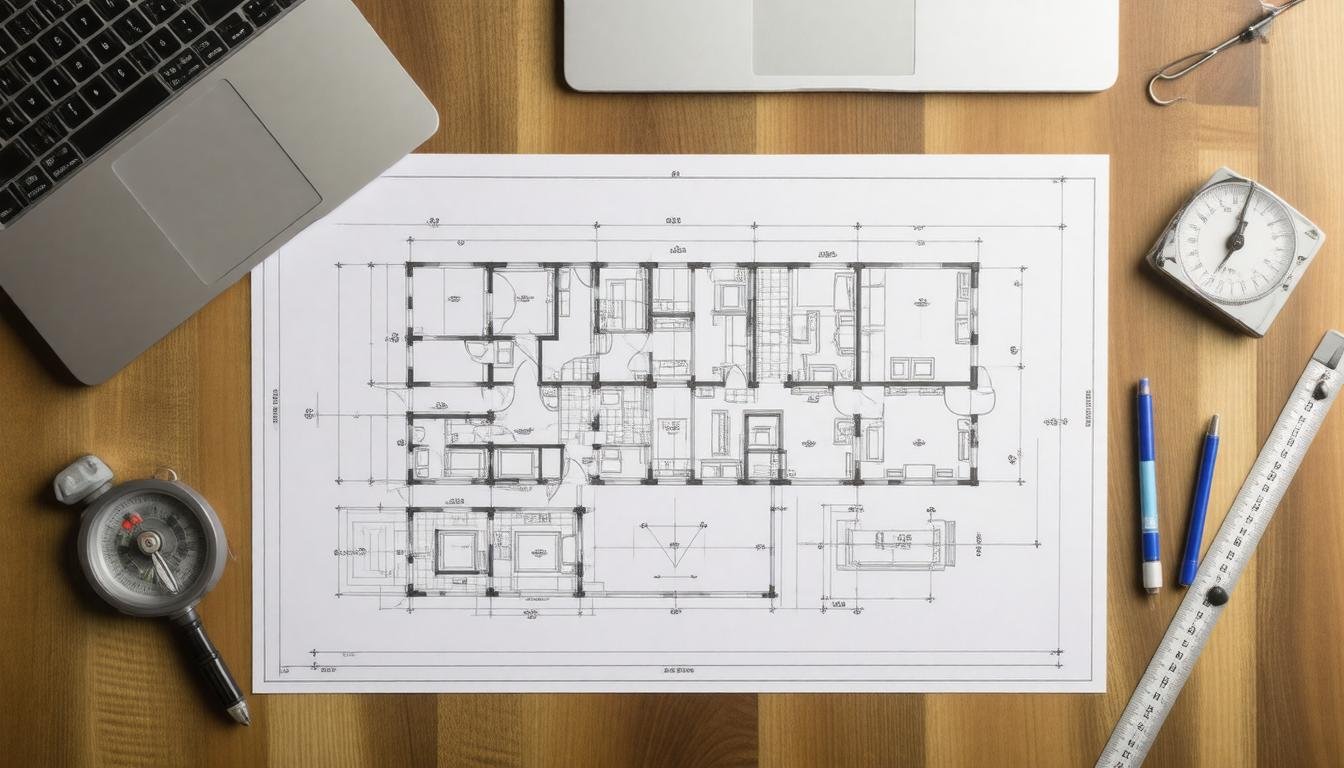
When it comes to keeping your home safe from fire, smoke can often be the biggest danger—more than heat or
UK mainland delivery
Stock on hand in our UK warehouse
Online and phone support
Safe online payment options